5 Tips for Emerging Researchers to get more involved with EERA and its Networks

5 Tips for Emerging Researchers to get more involved with EERA and its Networks

In this blog post, ERG Group Convenor, Dr Saneeya Qureshi addresses some of the frequently asked questions that she has received from EERA’s emerging researchers. A number of these have arisen from responses to the following question in the annual survey ‘What question(s) about the Emerging Researchers Group (ERG) or EERA still remain uppermost in your mind?’

Before we get to the responses, it is worth flagging the Emerging Researchers Group page, which links to various activities that are offered throughout the year.
“The early researchers are eager to learn beyond their field of research. For example, we would appreciate workshops or blog posts that would introduce us to research methods (so we can better understand, appreciate and link to the work others are doing). In addition, we are aware that we lack skills in presenting our work in a way that would be the most beneficial for our career progress. Where can we find information or resources for this?”


Answer: We know that early researchers are eager to learn beyond their field of research, to be introduced to research methods that would help them better appreciate and link their knowledge to the work others are doing. To address this need, we regularly share via the ERG mailing list information about workshops, seminars, summer schools, call for papers, and various other research-related opportunities are shared via the ERG mailing list. Join the mailing list by sending a blank message to erg-subscribe(at)lists.eera-ecer.de).

During the annual Emerging Researchers’ Conference (ERC), multiple capacity-building workshops and network workshops are also offered across the programme, in addition to the Annual EERA Summer Schools on Methodology.

Concurrently, the EERA Blog (to which anyone is welcome to subscribe at no cost) publishes regular posts on a diverse array of topics, ranging from research methods to educational engagement activities. The EERA Blog also provides tips on academic publication and conference attendance for emerging researchers. Further local opportunities for emerging researchers are available via the activities of their respective country’s National Associations.
Answer: There are a multitude of ways to get involved with EERA. You can do this via engagement with the ERG activities – including those highlighted above, the Best Poster Award, Best Paper Award, the ERG Mentorshipopportunities (access for which individuals must attend the ERG annual meeting at the ERC each year), or the respective EERA Network activities.

My advice would be to go through the EERA Networks, see which one(s) are most relevant to your research interests, and then join their mailing list. During the EERA Conference, attend their Network meetings to learn more about the senior academics who lead and engage with these networks and small communities, and build your own connections with them.  

It is worth noting here that Emerging Researchers and those who participate in the activities of the Emerging Researchers’ Group need to be members of their respective National Associations to qualify as members of EERA. Members of a national association that is a part of EERA can claim the lower fee for the annual conference, the ECER (European Conference on Educational Research). In addition, their associations can grant them free access to EERA’s scientific journal, the European Educational Research Journal (EERJ).

More information about being a member of EERA via one of its National Association members is available here.
Answer: Being involved with an EERA network does not require you to have any prior engagement with a specific network or Special Interest Group (SIG) that may or may not exist within your relevant national association. Your engagement with an EERA Network happens directly (see my tips in the answer above), without the need for pre-existing membership of a group, other than that of the main national association itself.
Answer: The answer to the first question in this blog covers information about networking opportunities between researchers at all career levels that are disseminated throughout the year via the ERG mailing list. The design of the wider ERG activities, and the ERC itself is purposefully done in a manner to afford emerging researchers the opportunities to meet and connect with researchers at all career levels, for instance, the exponentially successfully mentoring opportunities, as outlined above.

However, in a more focused approach to the issue raised in this question, the Annual ERC, when in-person, offers two lunchtime sessions dedicated entirely to a protected time and space for emerging researchers to engage and network with more experienced, senior academics, and EERA representatives. Since the onset of Covid and online events, the Annual ERG meeting has been combined with what would otherwise have been the first ERC lunchtime session on ‘Making the most of the ERC and Getting to know EERA’ session. It provides an opportunity for EERA’s emerging researchers, their supervisors, and research leaders to engage in interactive discussions which support:

    • broadening professional development opportunities and research dissemination experiences internationally;
    • exchanging experiences and ideas about research and researcher development;
    • actively participating in a European research community for Emerging Researchers.

All ERC participants are invited to this informal session which is jointly facilitated by experienced academics and the ERG co-conveners to enable those attending the ERC to understand the EERA structure and chart their way through the ECER conference program.


The following themes are covered during the session in the breakout groups, for informal discussions pertaining with the experienced academics and the ERG co-convenor teams:

Doing Educational Research:
The session included representation from the Editors of ‘Doing Educational Research: Overcoming Challenges in Practice’. This SAGE/EERA book was developed as a result of feedback from PhD students and addresses challenges researchers have encountered in their projects. In this session, we heard accounts of how experienced researchers handled entry into the research field, how they discussed and managed research results that posed problems when accounted back to the field, and how doing research in a second language, i.e., English, creates a complex set of challenges from interpretation to the communication of your research.

Networks, Networking, and Development Opportunities:
Discussions around how emerging researchers could connect with experts in their field by identifying their network and attending their programs. Also discussed were opportunities and strategies for building professional networks during ECER and beyond.

Converting a conference paper into a publication:
Participants were given insights into the unique opportunities available to them after the Emerging Researchers’ Conference, to maximise their publication success. Also discussed were the multitude of possibilities that the ERC offers for emerging researchers to receive feedback on their work, for example, during and after their conference presentations.

ERG co-convenors:
Meet the Emerging Researchers’ Group co-convenors who shared their recent experiences as Early Career Researchers and provided helpful tips for making the most of the conference experience.


Moving forward, we hope to return to face-to-face ERCs, in which case we will offer the following dedicated opportunities for emerging researchers to network with those at all career levels, backgrounds, disciplines, and experiences:

    • First day of the ERC lunchtime session: ‘Making the most of the ERC and Getting to know EERA’
    • First afternoon of the ERC: ERG meeting, which is attended by numerous PhD supervisors
    • First evening of the ERC: Dedicated social activity for key ERC stakeholders at all career levels
    • Second day of the ERC lunchtime session: ‘Lunchbreak with Local Academics’

As such, colleagues are advised to engage with upcoming ERCs to avail the opportunities of these dedicated networking events.
I would like more information about research design issues and the European perspective – it is obviously an important agenda to seek transnational European mutual understanding and try to team up on important educational issues. However, we also need to talk about differences. Schools are not alike all over Europe. So many little things such as teacher-pupil-relations etc. need to be explored. How to balance quality standards and innovations, which go beyond standards? How to maintain, cultivate and acknowledge cultural and linguistic diversity beyond the Anglo-Saxon mainstream and the one-dimensional notion of the ‘international’? How can I find the space and time for a relaxing and inspiring intellectual experience?


Answer: At EERA, we couldn’t agree more about the need for time and space to further educational research, debate, and discussion for the benefit of society! This is at the heart of who we are and what we do, and is why we provide the various opportunities as outlined in answer to the first question in this blog.

The flagship world-renowned Annual European Conference on Educational Research (ECER) attracts about 3000 participants from more than 70 countries. It is the primary forum to meet and engage with researchers from a broad field of academic traditions, themes, and cultural backgrounds – 1000+ sessions across EERA’s 33 Networks are facilitated over the course of one week, and include a mixture of oral, video, paper, and poster presentations, Ignite Talks, panel discussions, symposia, research workshops, network meetings, social events and more – all designed to facilitate and share cutting edge research designs, projects, effective practices, information, debate, and discussions on the whole spectrum of educational topics.

To learn more about the ERG, ERC, and ECER, visit the EERA website, which is updated regularly with information, news, guidance, and job opportunities related to educational research: https://eera-ecer.de/  
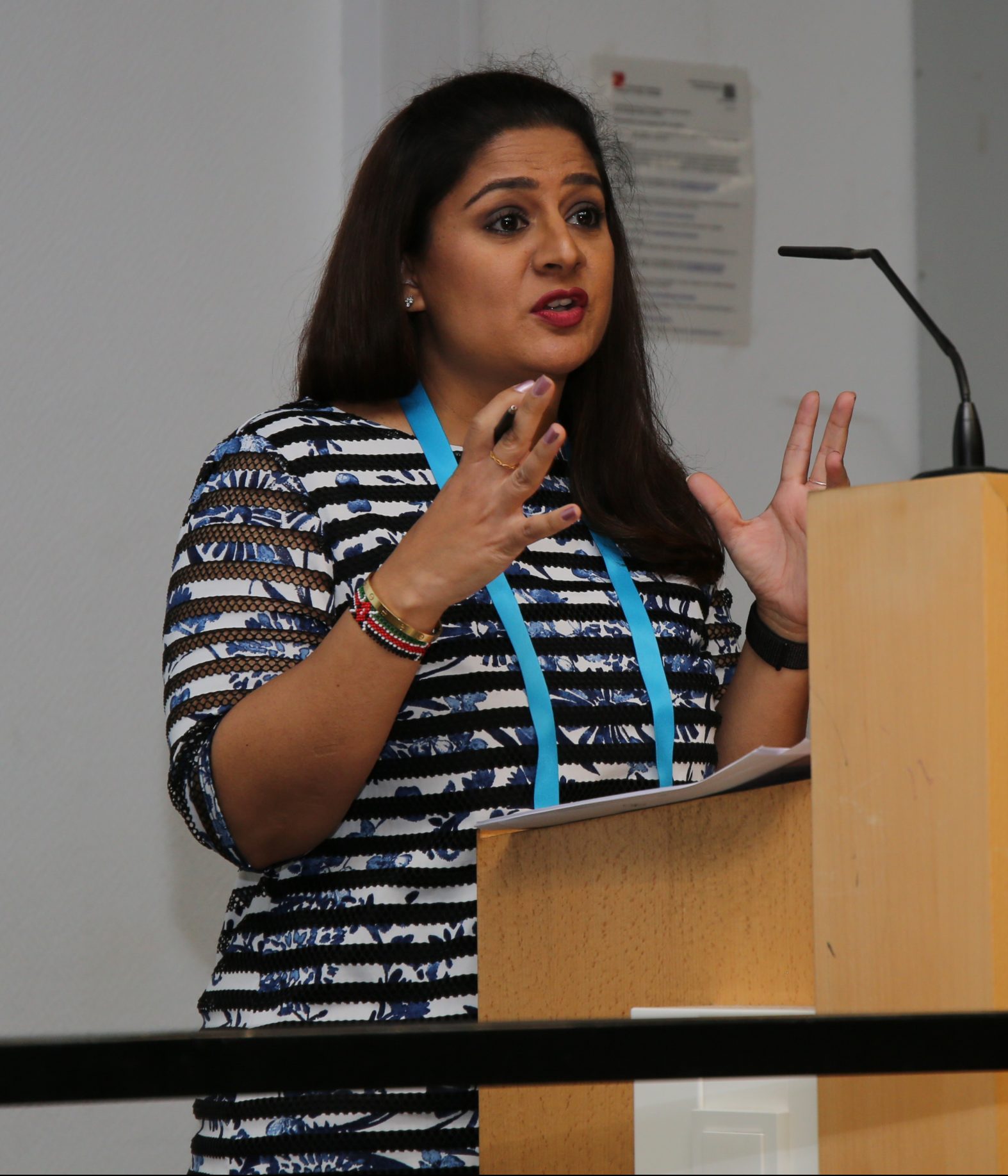
Dr Saneeya Qureshi

Dr Saneeya Qureshi

Head of Researcher Development and Culture at the University of Liverpool, UK

Dr Saneeya Qureshi was the Link Convenor of the Emerging Researchers Group for the European Educational Research Association (EERA) between 2015 - 2023. She is the Head of Researcher Development and Culture at the University of Liverpool, UK.

She is responsible for the University’s provision for researchers at all stages of their careers. She manages activities related to the University's European Commission's HR Excellence in Research Award, liaising with stakeholders regarding Liverpool's commitment to the development of its Early Career Researchers. She holds a PhD in Inclusive Education, and has over 15 years of experience in teaching and educational management in the UK and internationally.

Since 2015, Dr Qureshi has been a co-opted member of the EERA Council where she represents emerging researchers' interests. She leads an annual programme of EERA's developmental and capacity building activities for emerging researchers, including the annual Emerging Researchers Conference. She is also an Editorial Board member and a reviewer for several international educational journals. She can be found on Twitter @SaneeyaQ
Intercultural Translation through EERA and ERG

Intercultural Translation through EERA and ERG

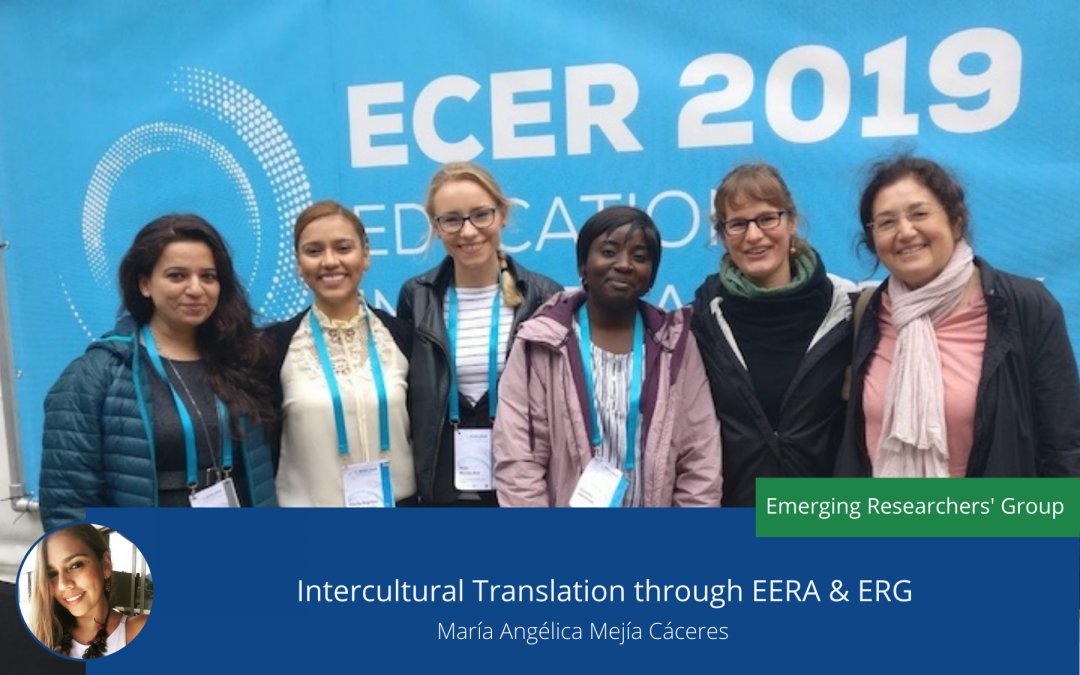
María Angélica Mejía Cáceres first heard of EERA and ECER via a post on the web about the summer school: Doctoral Studies in Environmental and Sustainability Education: Contextualizing the Process at the University of Cambridge. It was the first event that María Angélica attended where she needed to speak English all the time so it was a bit of a challenge. María Angélica agreed to write about her experiences, both at the summer school and her further engagement with EERA at the European Conference on Educational Research (ECER) in 2019.

The Summer School in Cambridge

When I got to the Cambridge summer school, I was excited to meet recognized environmental education researchers from around the world, and I was glad to see other doctoral students who were interested in similar topics. As a consequence of this summer school, I did my visiting research in Canada in 2017 with one of the professors who led the summer school in Cambridge. These experiences generated my interest to participate in the European Conference on Educational Research, so I submitted to present two papers and to receive the bursary. And it happened! I was a bursary winner, and my papers were accepted.

The European Conference for Educational Research

The ERC and ECER moment was as I expected because it enabled me to have a dialogue with various researchers, acquiring knowledge, readings, experiences, and participating in debates, and activities.

In addition, participation in this conference was an opportunity for cultural exchange, and to recognize Latin representation with dignity because we want to have a voice in different spaces. 

In Latin America, we have discussions about how Europeans and North American countries made hierarchical impositions and colonization. In response, we have developed the epistemology of the south.

We have other realities, other problems, but we are generating knowledge too, from other local interests. I agree that sometimes certain communities, such as Latin people, and their research are considered inferior.

“The South is rather a metaphor for the human suffering caused by capitalism and colonialism on the global level, as well as for the resistance to overcoming or minimizing such suffering.”

– Santos Boaventura

I am glad that I was a bursary winner, alongside other people from the south. I interpreted it as a step to break discrimination and to be inclusive. And I don’t feel that this was just with the bursary.

I observed it during the whole event. I participated actively in the conference, workshops, network meeting, social events, and meeting others. I learned about education, but also about the cultures, and the similarities and differences between our realities.

I had high expectations about what I would find in the Conference, and I am glad to have found it to be a high level, in comparison with other events in which I have participated in the past. In the ERC, I listened to the interesting, critical, and constructive comments of the participants. It shows the commitment of EERA to emerging researchers.  

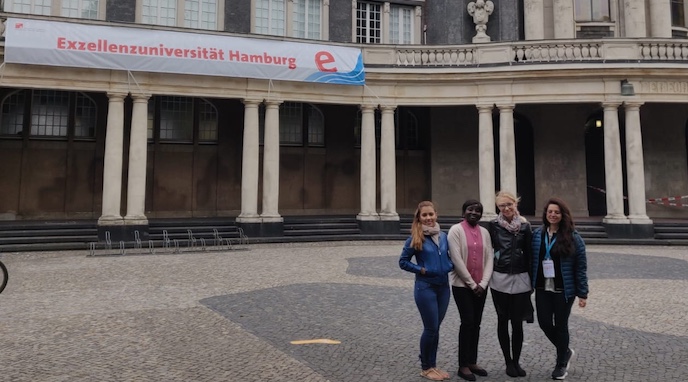
This congress helped me to create new connections with emerging researchers from Poland, India, Kenya, Germany, Spain (fellow bursary winners). I was also able to establish connections with professors who have distinguished trajectories.  I hope to consolidate more through collaborations in projects, writing papers, and more. That for me is awesome because as Santos Boaventura so fittingly put it:

“In order to bring together different knowledges without compromising their specificity, we need intercultural translation.”

– Santos Boaventura

The ERC and ECER permit the intercultural translation!

María Angélica Mejía-Cáceres

María Angélica Mejía-Cáceres

Doctor in Sciences and Health Education, Federal University of Rio de Janeiro

Maria Angélica Mejía-Cáceres is a doctor in Health and Sciences Education from the Federal University of Rio de Janeiro, Brazil.
She is a member of the research group Languages and Media in Science and Health Education at the university. She is also a member of the research group Science, Education and Diversity and the research group Science, Actions, and Greeting at the Universidad del Valle in Colombia.
Currently pos-doc at NUTES Science and Health Institute, Federal University of Rio de Janeiro, she is doing research about climate change education.

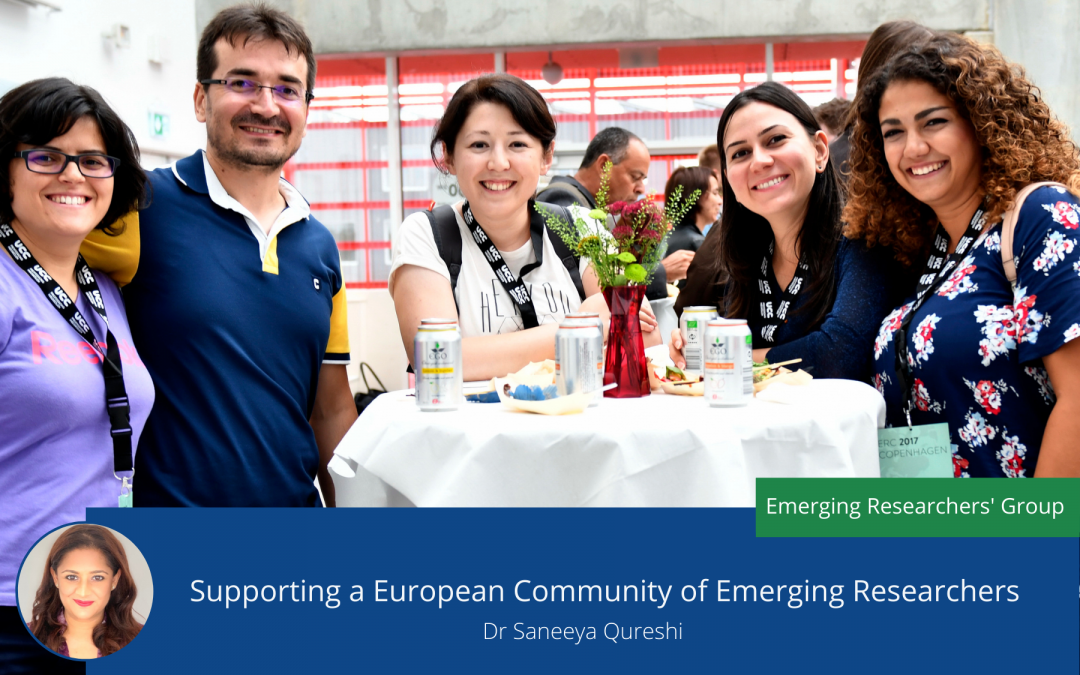
Supporting a European Community of Emerging Researchers

Supporting a European Community of Emerging Researchers

In her first post, Saneeya Qureshi told us a bit about the history, goals and achievements of the Emerging Researchers’ Group. We wanted to know a bit more about Saneeya’s personal experience with EERA and the ERG.

Since 2015, I have been involved with EERA in my role as Link Convenor of the Emerging Researchers’ Group (ERG). Before this, I participated annually in the ECER Conferences and EERA Summer Schools as a Masters and then a PhD student. 

When I first took on the role of ERG Convenor, I worked closely with the EERA Secretary-General to review the general regulations relating to the ERG. One of the outcomes in terms of managing the operations of the ERG has been the formative element to the manner in which ERG co-convenors are engaged.

I initiated a mentoring programme during the ERC Best Paper Award review process, so as to ensure that the new co-convenors were mentored by experienced colleagues. I combined this with an extensive stakeholder consultation of past and present ERG reviewers, to redesign a more constructive double-blind peer review process for the ERC Best Paper Award. Colleagues from EERA Council are also involved in both the ERC Best Paper Award Competition and EERA Bursary Review process.

In terms of further supporting the development of emerging researchers who are not co-convenors, the ERC proposal review mentorship process via meta-reviews on Conftool was introduced in 2016. An increasing number of emerging researchers are mentored via this process each year, and to date 40 emerging researchers have been mentored in this regard. Since 2018, I have chaired a new system for the EERA Conference Bursary Review process, including clearer and more transparent application and review guidelines.

I am particularly proud of the developmental and formative nature of the ERG’s activities that I lead, and the collaborative approach that I have introduced in relation to managing the ERG. I work with the ERG co-conveners actively and encourage them to take on roles of responsibility whilst providing support.

I have also worked closely with the Senior Mentor, EERA Office and EERA Council across various ERG activities, including many new ones that I have introduced, such as an extended, specialised formative feedback process led by the network convenors on papers that are not shortlisted for the Best Paper Award.

 These collaborations underpin and augment numerous successful initiatives associated with the ERG that means we have an exponential increase year on year of emerging researchers’ enriched participation across the various activities.

However, I recognise that whilst these successful activities currently form a diverse and exciting offering for emerging researchers, there is still work to be done. Therefore, the ERG continues to work with researchers, supervisors and local institutions to ensure that collectively we provide the very best environment we can for our current and future researchers.

Indeed, an increasing focus in this endeavour has been garnering participants’ feedback and evaluation of ERG activities, so that the future of the Group’s initiatives can appropriately cater to their evolving needs.

Since 2018, for instance, on the basis of this feedback and evaluation, the ERC offers two informal lunchtime sessions: ‘Lunch with Local Academics’ and ‘Making the most of the Emerging Researchers’ Conference and ECER’. As Link Convenor, my intention is to continue to mirror this pattern of evaluation to evidence the value for money that EERA invests into the emerging researchers’ activities.

It is also a privilege for the ERG to contribute towards EERA’s objectives to encourage collaboration, communication and the dissemination of findings as contributions to policy and practice amongst educational researchers, international governmental organisations, research associations and institutes within Europe. Indeed, the ERG was an integral part of the EERA Strategy writing committee and ensured the inclusion of activities and interests of emerging researchers at all levels were represented in the Strategic Plan. As ERG Convenor, I also operate as a liaison between the World Educational Research Association (WERA) and EERA and furthering the ERG’s Links with the Doctoral and Early Career Network.

The excitement, dynamism and rewards of engaging with the EERA Emerging Researcher community drive my passion for leading an ever-growing offering of activities and collaborations through which colleagues can share and discuss their research findings via truly global forums.

I believe that belonging to a professional body like EERA, and contributing to the global academic debate is an important responsibility for any educational researcher and, that in order to do this, communication and sharing of research practice, through a range of mediums, is needed to ensure effective dissemination and, ultimately, impact.

Dr Saneeya Qureshi

Dr Saneeya Qureshi

Head of Researcher Development and Culture at the University of Liverpool, UK

Dr Saneeya Qureshi was the Link Convenor of the Emerging Researchers Group for the European Educational Research Association (EERA) between 2015 - 2023. She is the Head of Researcher Development and Culture at the University of Liverpool, UK.

She is responsible for the University’s provision for researchers at all stages of their careers. She manages activities related to the University's European Commission's HR Excellence in Research Award, liaising with stakeholders regarding Liverpool's commitment to the development of its Early Career Researchers. She holds a PhD in Inclusive Education, and has over 15 years of experience in teaching and educational management in the UK and internationally.

Since 2015, Dr Qureshi has been a co-opted member of the EERA Council where she represents emerging researchers' interests. She leads an annual programme of EERA's developmental and capacity building activities for emerging researchers, including the annual Emerging Researchers Conference. She is also an Editorial Board member and a reviewer for several international educational journals. She can be found on Twitter @SaneeyaQ
5 More Tips for Completing your PhD

5 More Tips for Completing your PhD

Following the positive response we received after publishing Emily’s 5 helpful tips for writing your PhD, we asked if she had any more advice to share. She dug deep and came up with five more ideas for you to keep your head while the world spins around you!

Break down your thesis into smaller, more manageable chunks

Break down your thesis into smaller, more manageable chunks that you can test out through conference, seminars, and blog posts. Engaging with others will help re-connect you with your community and will support the development of your ideas through feedback and conversation.

Your thesis is an opportunity to build your own community and collaborate with other students, early career researchers as well as your supervisors.

Ale Okada, an educational researcher at the Open University, suggests attending and participating in a variety of events.

If conferences and IRL talks are suspended, then look out for webinars and online conferences. 

And of course, EERA offers a range of opportunities to gather feedback on your work, such as the Emerging Researchers’ Group and its LinkedIn community. The yearly ECER is preceded by the Emerging Researchers’ conference

Be Patient with Yourself

Remind yourself learning is not linear and that all your emotions are expressions of your investment in your thesis.

“Set daily goals that are reasonable and keep you moving forward,” recommends Nadine Janes, Director of Undergraduate Nursing and Assistant Professor at the University of Toronto, “and find someone to hold you accountable to those goals”.

Look After Your Body and Mind

Eat something healthy before midday every day. Drink water. And take yourself for a walk in the evening. Studying from home can entrench the sedentary lifestyle fostered by long hours of writing, reading or editing.

Developing an achievable routine that you can feel good about for your wellbeing is vital. Find out if there is a walking group at your university. Exchange healthy recipes with your peers.  

If you aren’t managing your goal, then aim smaller. Being good to yourself includes setting yourself up to win.


Things Will go Wrong Again and Again

But the sun, too, will rise again, and that disaster might be the making of your PhD, or you, or a total disaster with no redeeming features and that’s ok too.

Reflecting on her experience, final year student Carolyn Cooke explains:

“The second year was the year where things changed the most – change of literature base, change of methodology too. These changes meant I had written much which I then felt wasn’t useful anymore but rather surprisingly (to me!) I have come back to a huge amount of it in the last couple of months when writing up as there were things I could develop. So, nothing (no writing, no exploring, no “tangents”) is wasted effort – it’s all part of the process!”.

Practice Identifying Yourself in Different Ways

Deborah Lupton recommends taking the time to listen to good quality radio programmes and podcasts, to read the newspaper and engage with others socially.

Finding your academic identity is part of the research journey so read broadly when you can and cultivate connections to your interests including those that cross your departmental or disciplinary boundaries.

“I recommend thinking ahead to say 5 to 10 years down the road and answering the following questions: what do I want my ‘academic identity’ to be? Which academic community do I belong to long term and what do I want to be known for within that community?”, shares Jaideep Prabhu, Jawaharlal Nehru professor of business and enterprise at the Judge Business School, Cambridge, “Once you have some clarity about that, then work backwards and ask yourself: what do I need to do now to get there?”. 

NOTE:  This post was originally written in October, 2020, during the COVID-19 pandemic. Though the post was originally titled, ‘5 more tips for completing your PhD during COVID-19’, we realised that the advice is just as valid four years later, after the crisis had passed. For this reason, we have updated the post and the title.

Emily Dowdeswell

Emily Dowdeswell

2nd Year PhD Student

Emily Dowdeswell is approaching the end of her first year of doctoral research at the Open University’s Faculty of Wellbeing, Education and Language Studies (WELS).

Her area of study includes the intersections between anthropology, the arts, creativity and education.

You can find out more about Emily’s research at http://wels.open.ac.uk/rumpus or on Twitter https://twitter.com/intracommons 

Katherine Langford

Katherine Langford

PhD student at the Open University's Faculty of Arts and Social Sciences (FASS)

Katherine Langford, BSc (Hons), MBPsS, is a third-year

Katherine Langford

part-time PhD student at the Open University's Faculty of Arts and Social Sciences (FASS). She is researching how secondary school students develop an understanding of especially tricky Physics topics including what intuitive theories, common problems, and misconceptions they have.
Orcid: https://orcid.org/0000-0003-0080-6023

How Social Capital Affects your Research

How Social Capital Affects your Research

While thinking about research, most researchers focus on the research questions, design, and methodology aspects. However, we may forget about the most important thing about research, as well as our life – the fact that we are human beings. When I was conducting research for my master thesis, this was the part that I had forgotten. There are qualities that we cannot hide, like our colour of skin, our biological gender, and our career (if we are being truthful). And then social capital and being an outsider or insider come into prominence.

What is Social Capital?

Social capital is a controversial concept in sociology, and there are many different definitions and perspectives on this concept. It is a broad concept, related to many aspects of the individual. Claridge presents a detailed typology of social capital. In his article, he described the three levels of the different dimensions of social capital: micro, meso, and macro. These levels of social capital are about all dimensions of social capital and include education, gender, ethnicity, religion, SES. Social capital is not just about the relationship and networks that the people have, but it is also about their visible and invisible characteristics.

The qualitative researcher’s perspective is perhaps a paradoxical one: it is to be acutely tuned-in to the experiences and meaning systems of others—to indwell—and at the same time to be aware of how one’s own biases and preconceptions may be influencing what one is trying to understand. 

As Maykut and Morehouse stated, in qualitative research, the researcher must be aware of their social capital and its effect on their research. While doing my research for my master thesis, I was not aware of the impact of my social capital on my research.

What is MY Social Capital?

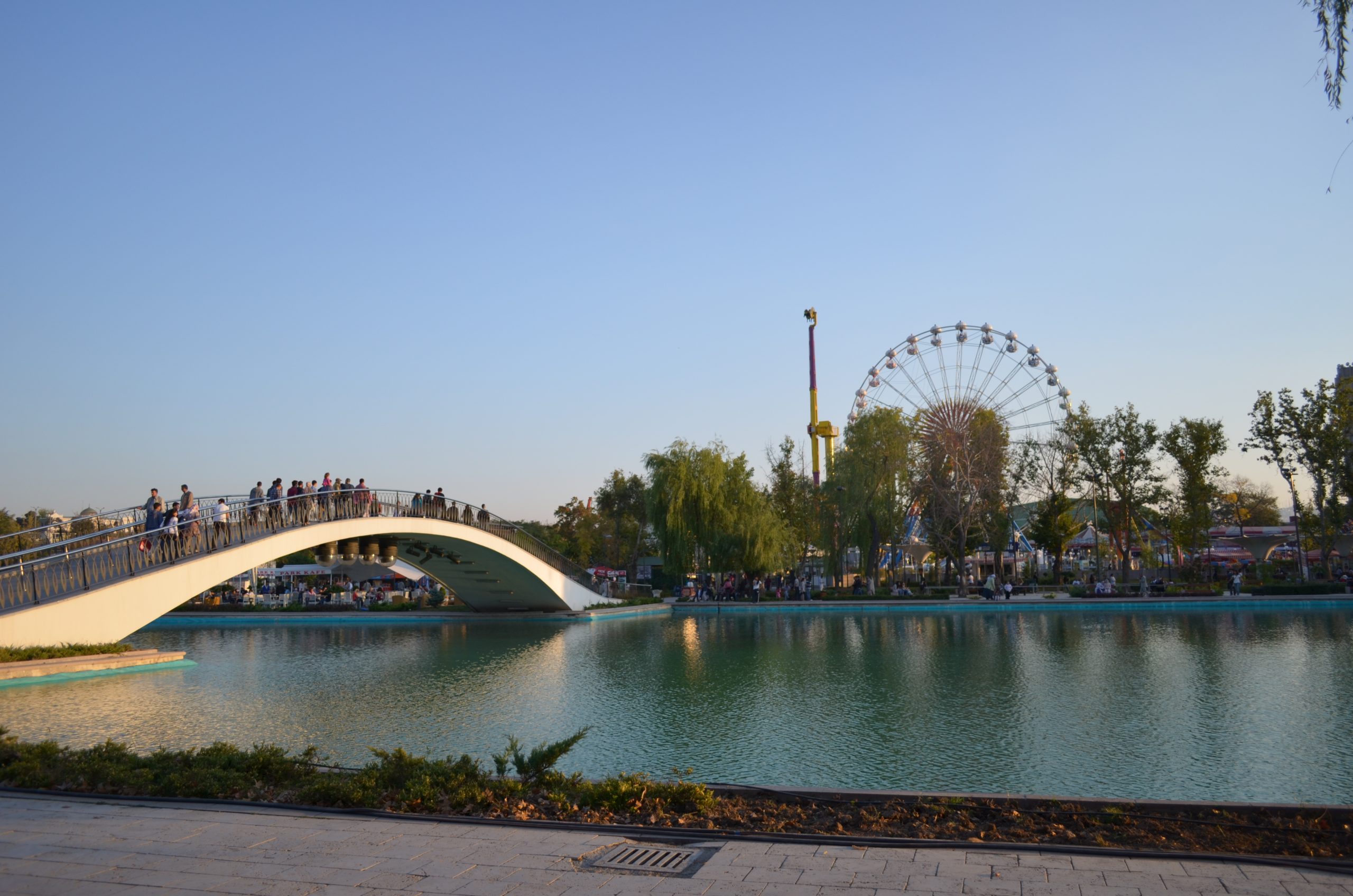
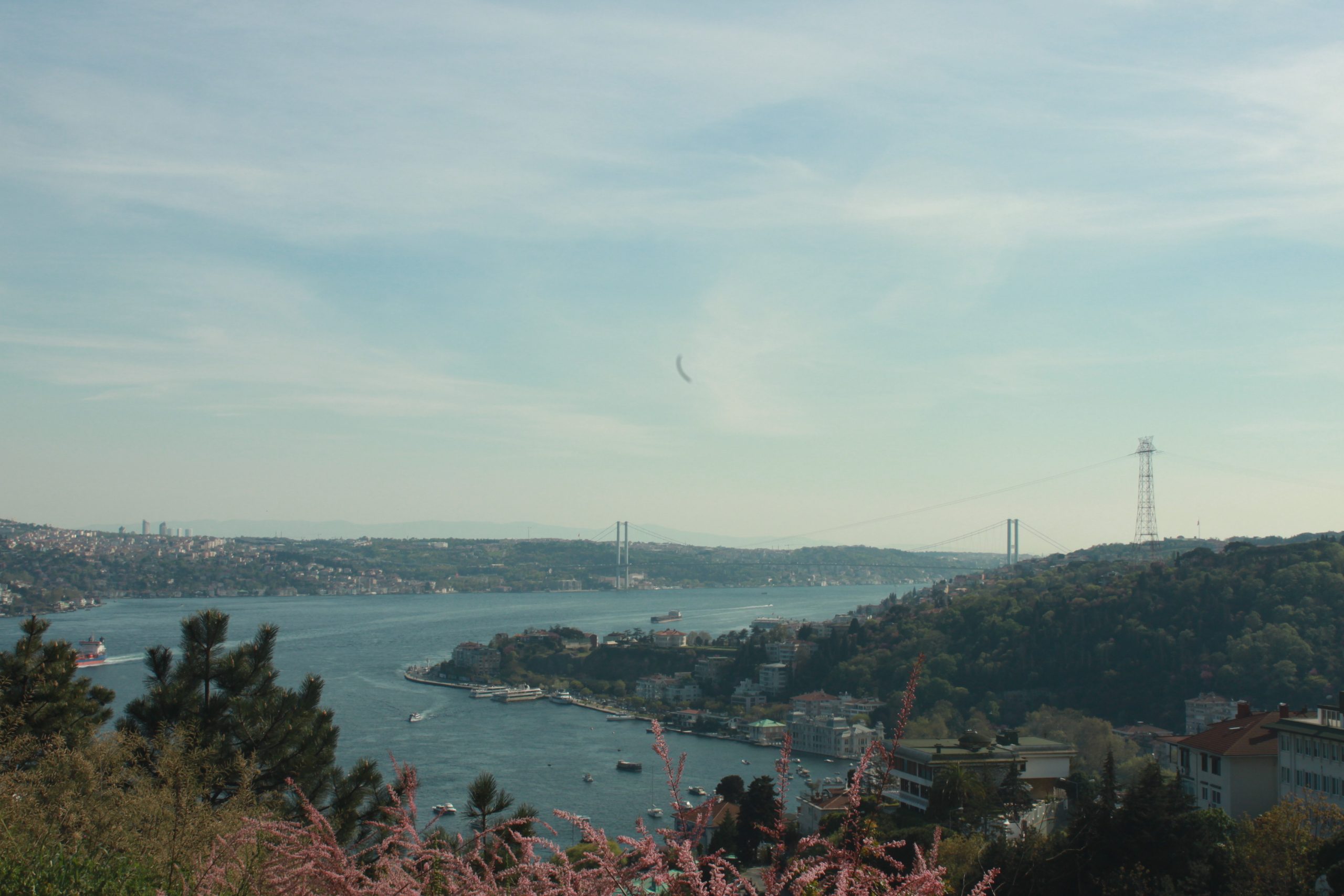
My hometown is a small, religious city in Turkey. I am a PhD student and a research assistant at one of the top-ranked universities in Ankara, Turkey, where the medium of instruction is English. I am also an alumnus of another top-ranked university in İstanbul, Turkey, where the medium of instruction is also English. I lived alone in the largest city in Europe, İstanbul, where I got my bachelor’s degree. Currently, I am living alone in Ankara, Turkey’s capital, as a woman in a Middle Eastern country. I speak English, travel abroad independently, have a career, and at the time of writing my thesis, I had neither a boyfriend or a husband.

How my Social Capital Affected my Research

My research was about Turkey’s refugee issue, and I wanted to learn about school counsellors’ issues and any problems in schools. I conducted interviews with school counsellors from different cities in Turkey. Before conducting interviews, I introduced myself briefly, giving information about the universities where I had studied and my current position. In the first interview, I was asked many questions about my personal life:

  • How did you get the job at such a good university?
  • Are you living alone without EVEN a boyfriend?
  • How is this possible? And is it hard to work while keeping on top of household chores and responsibilities?
  • Were you living alone during your bachelor’s degree as well?
  • How can I, a school counsellor, get a position like yours?
  • Were the questions hard for PhD admission?
  • Where are you from and do you have a father and mother? What were their thoughts about your career?

During the first three interviews, I was eager to start the interview and I didn’t recognise this issue. After conducting the interviews and starting to transcribe them, I realized that the school counsellors mostly emphasized their schools’ accomplishments. They did not talk about any problems they encountered around refugee issues but concentrated only the achievements they have made. It was a huge challenge for my research because I couldn’t get the information I needed.

After this, I started to allocate some time for initial chitchat with the school counsellors. I gave more detailed information about myself, e.g.,  I am from a small city. I am a normal woman from Turkey. I got to know the school counsellors and put emphasized their role, acknowledging how hard it must be to work at a school with refugees in a small city. After this little chitchat, I think the school counsellors felt better understood, and they did not try to prove anything. We could then focus on the refugee issue, and they could give information more freely.


Before conducting the interview, I did not realize that my social capital, such as my gender, SES, and education level, might create such a barrier to my research. I believe that the social capital we have is vital for every person we encounter in society. We may not be aware of our privileges and/or specialities. However, the things that are usual and normal for us might be eligible for others. That is why it is useful to be aware of our own social capital, not just for our research but also for our daily lives. 

Dilara Özel

Dilara Özel

PhD Student and Research Assistant at Middle East Technical University (METU) in Ankara, Turkey

Dilara Özel is a PhD student and also a research assistant in Guidance and Psychological Counseling program at Middle East Technical University (METU) in Ankara, Turkey. She received her master’s degree from the same department in METU with a master thesis titled An Examination of Needs and Issues at Refugee- Receiving Schools in Turkey from the Perspectives of School Counselors. She is an alumnus of the Faculty of Education Bachelor’s Program in Guidance and Psychological Counseling department at Boğaziçi University, İstanbul. She worked as a volunteer at several projects and trained in peace education, conflict resolution, and human rights. Then, she gave short training sessions on negotiation and mediation techniques. Dilara worked as a school counsellor at a private college with preschoolers. Her research interests are peace education, multicultural education and refugee studies.