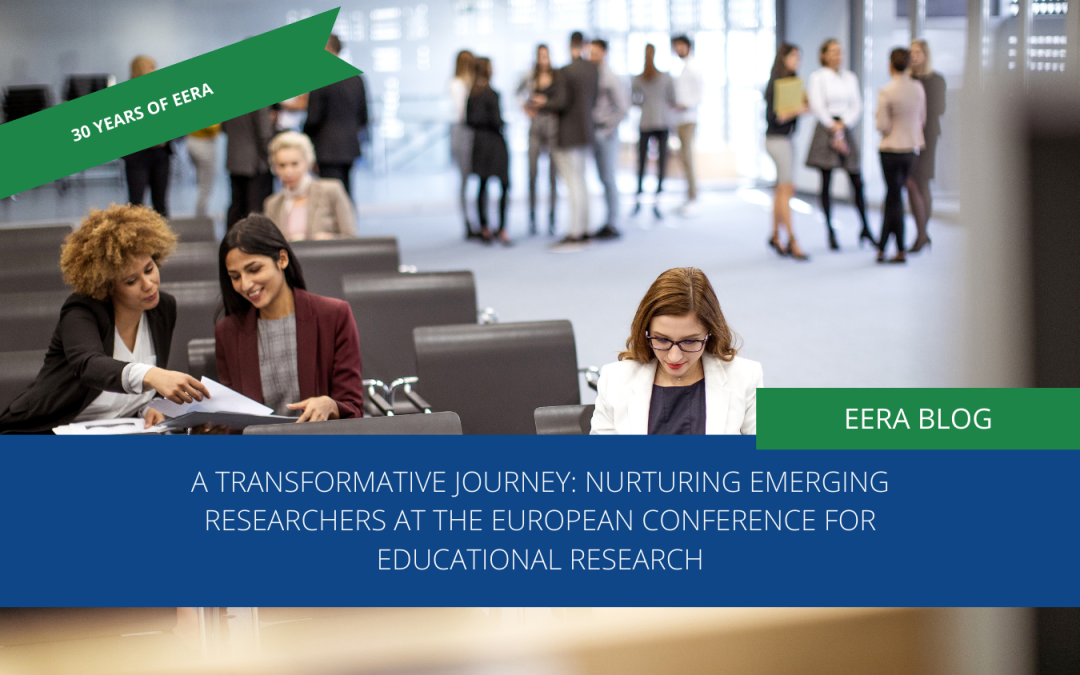
A Transformative Journey: Nurturing Emerging Researchers at the European Conference for Educational Research.

A Transformative Journey: Nurturing Emerging Researchers at the European Conference for Educational Research.

EERA is celebrating 30 years in 2024, and as part of our anniversary celebrations, we have invited people who have been at the heart of the association to share their memories and reflections. In a series of blog posts, which will run throughout 2024, we will share those precious memories, from the people who helped foster the global EERA community.

In this blog post, Professor Fiona Hallett looks back on her 18 years of engagement with EERA and ECER, and what makes this community of researchers so unique.

In the realm of academic conferences, the European Conference on Educational Research (ECER) stands out as a unique and transformative experience, especially for international students. My first encounter with ECER in 2006 marked the beginning of a journey that not only shaped my early career but also fostered a sense of intellectual camaraderie that set it apart from other conferences.

As an early career researcher navigating the landscape of academic associations, I was fortunate that ECER was my first exposure to this world. Little did I know that this event would not only broaden my horizons but also provide me with a mentorship experience that would become central to my academic growth.

What makes EERA and ECER so special

The distinctiveness of ECER lies not just in its academic sessions but also in the supportive atmosphere fostered by the organizers. During my first presentation, the session chair, doubling as a mentor, played a crucial role in creating an inclusive environment. The network meetings, characterized by their inviting nature, quickly drew me in, prompting a desire to actively contribute to the initiatives established by others.

In 2008, I assumed the role of the convenor for the Emerging Researchers’ Network, succeeding a predecessor whom I had the privilege to shadow. Professor Ian Menter, my appointed mentor during this transition, guided me with wisdom and generosity. The experience of taking over as the main convenor opened other doors, leading me to become a Council Member of the European Educational Research Association (EERA).

The collaborative ethos within EERA extended beyond administrative roles. Other networks offered support across a range of activities from reviewing papers and organizing sessions for early career researchers (including insightful sessions led by the Editors of BERJ); this support was invaluable. The intellectual generosity displayed by colleagues at EERA is a distinctive aspect that I have not encountered in other associations or conferences.

My journey with EERA and ECER

EERA has, undeniably, been pivotal in the trajectory of my academic career. From being an invited tutor at summer schools hosted by the Norwegian University of Science and Technology and the University of Hamburg, to being invited discussants at sessions at the ECER 2023 conference, the opportunities for growth have been immeasurable.

Reflecting on the past 18 years, the wealth of opportunities and the bonds forged with colleagues and friends stand out as a testament to the unique value of my engagement with EERA. The association continues to be part of my academic development, allowing me to contribute as a judge for the Best Paper Competition for the Emerging Researchers’ Group. This role enables me to support the next generation of researchers and assist emerging researchers at my own university in organizing their own research events.

In essence, the journey with ECER has been transformative, offering not only academic enrichment but also a sense of belonging within a community of scholars. As I continue to engage with EERA, I am reminded that this intellectual journey is a shared one, and the generosity of spirit within this community is something that I hope will endure for years to come.
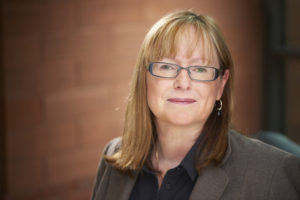
Professor Fiona Hallett

Professor Fiona Hallett

Associate Dean of the Graduate School, Edge Hill University, UK

Professor Fiona Hallett is the Associate Dean of the Graduate School, Edge Hill University, UK. Professor Hallett is also Joint Editor of the British Journal of Special Education.
The EERA Office – The view from within the spaceship

Angelika Wegscheider explains what it is like to steer the ‘spaceship’ of the EERA office, the changes she has seen over the years, and the lessons she’s learned from her time with the organisation.

A European Space for Educational Research and Dialogue

Past Secretary General of EERA, Professor Lisbeth Lundahl on the importance of EERA as an open and welcoming space for educational research and discourse.

20 Years a-going – Reflecting on two decades with EERA

Past President, Professor Joe O’Hara takes a walk down memory lane to celebrate EERA’s 30th anniversary, and reflects on the developments and achievements of the organisation.

Twenty years of participating in EERA’s 30 years

In this blog post, Professor Emeritus of Educational Sciences at Utrecht University in the Netherlands, and previous EERA president, Dr Theo Wubbels reflects on his involvement in EERA over the years, and where the organisation’s future lies.

My EERA story – from novice doctoral researcher to ERG Link Convenor

ERG Link Convenor Dr Saneeya Qureshi looks back on her journey, from her first conference, to her professional and personal growth with EERA, and the friendships made along the way.

Establishing Network 27 – and trends in didactics of learning and teaching over the past decades

Professor Emeritus Brian Hudson on the establishment and development of Network 27, and the associated trends in didactics of learning and teaching over the past few decades.

EERA’s unique buzz – and the lessons I’ve learned

Professor Emeritus Terri Seddon explains why the European Conference on Educational Research became her ‘first-choice’ academic conference, and worth the long-haul flights from her home in Melbourne. 

Experiences and benefits from collaborating in the international ethnography network

Four long-term Network 19 members, currently serving as network convenors, share their stories and insights into what the network means to them.

Developing an EERA Network Identity – NW 20 through the years

As part of our 30th anniversary celebration, Professor Raimonda Brunevičiūtė reflects on her EERA journey, and the development of Network 20, Research in Innovative Intercultural Learning Environment.

Growing (with) EERA Network 14

As part of our 30 years of EERA celebrations, Dr Joana Lúcio reflects on her time as Link Convenor of Network 14, and her professional and personal growth.

Pleasure, confusion, and friendship – 30 years of EERA

EERA’s first Secretary General and founding editor of the EERJ, Professor Martin Lawn, looks back at the sometimes rocky road of EERA, the developments into the organisation it is today, and considers where the journey should go next.

Improving the quality of education – EERA Network 11 through the years

To celebrate EERA’s 30th anniversary, Dr Gento takes a look at the activities of Network 11 to improve the quality of education, within EERA and in the wider educational research community.

Serendipity in Action: Being a link convenor for the ERG was a vibrant thread in the vast tapestry of my academic life

For the 30th anniversary celebrations of EERA, Dr Patricia Fidalgo reflects on her time as Link Convenor of the Emerging Researchers’ Group, and the joy this fulfilling role brought her.

A Transformative Journey: Nurturing Emerging Researchers at the European Conference for Educational Research.

In our blog series celebrating 30 years of EERA, Professor Fiona Hallett reflects on the sense of belonging within a supportive community of scholars.

7 things I liked about EERA’s Summer School in Porto

7 things I liked about EERA’s Summer School in Porto

Just as each of us is unique, our PhD journeys will also be unique. However, very often, there are common elements. Engaging in networking activities with other doctoral candidates at an early stage of one’s PhD journey, therefore, proves to be a very enriching experience.

We asked Daniela Clara Moraru to share her personal experience of participating in her first EERA summer school in Porto.

To give you some background information, I have just finished the 3rd semester of my PhD programme at the University of Luxembourg. My research topic is “Perceptions and attitudes of the vocational education and training actors related to soft skills needed for employment”, a critical topic, especially in today’s context where local employers are increasingly finding it challenging to find employees equipped with industry-ready skills. 

In this context, I am very grateful to have been one of the lucky few – and the only one from Luxembourg – accepted at EERA’s Summer School 2022 at the University of Porto in Portugal. I also wish to express my gratitude to my Doctoral School of Humanities and Social Sciences for supporting my participation in this one-week intensive summer school.

I love Portugal for many reasons, the amazing food being just one of them. However, what made me place the host country as my #1 was the fact that being in a different time zone allowed me to gain 1 hour in the morning, which offered a great extra time to explore and discover the beautiful city of Porto.

As a self-funded student, the summer school was an incredible opportunity to meet and interact with other researchers who are at the same research stage as me. It helps to know that I am not the only one struggling with the research design at times, for example, in making sure that the proposed research questions and the methodology are aligned. 

This summer school was a great chance to benefit from tutoring by experienced researchers. My group tutors were Xana Sá Pinto and Joana Lúcio, who both took their job to heart. I am grateful for their generosity, encouragement and support throughout the summer school.

My doubts about one of my research questions are now gone, and I can focus confidently on the current research design. 

The organisation of the summer school was perfect! Only someone who has arranged such an event could understand the complexity of the undertaking – how many resources are required and how much time and energy is needed.

First, the logistical tasks, such as finding hotels for participants within a 10-minute metro trip from the university, arranging meals, providing the buses for our trip to the University of Minho, assigning people to small groups by research topic and tutors to each group, planning the rooms, and so on.

Then there is the programme – arranging small hands-on group working sessions and plenary sessions featuring keynote speakers who are experts on topics of general interest for all researchers. In addition, the organisation of field trips.

Kudos to the organisation team. You’ve done a fantastic job! 

This experience was an excellent motivational factor. The PhD journey can be quite a lonely one, especially for someone like me who is a self-funded student, and motivation has its ups and downs at times.

It was extremely enriching for me to be together with other emerging researchers from a variety of countries/universities, and to learn about the diversity of their topics of research.

In addition to the learning factor, I greatly appreciate the motivation and enthusiasm I feel now, upon my return home, to further work on my research project. 

I highly valued the multicultural aspect of the training, enhanced by the diversity of participants.
Beyond our research projects, we also exchanged views about our universities, PhD programmes and supervisors. It was fascinating to discover that some universities offer different PhD programmes than those we have at the University of Luxembourg.
Our diverse backgrounds and experiences also contributed to the rich discussions and varied perspectives on the same topics of discussion, a valuable aspect of the summer school.

This event allowed us to establish direct contact with the editors of the Portuguese Journal of Education.
During our visit to the University of Minho in Braga, we were offered the opportunity to get in touch with the editorial team of a prestigious education journal indexed by Scopus.

During her sabbatical year, Board/Deputy Director, Iris Pereira, took the time to present the Portuguese Journal of Education to us, explained the publication process, and offered us tips on how to write a journal article.Thank you very much!

To sum up, the EERA summer school offered its participants incredible value. I highly appreciated the quality of the activities provided, the networking opportunities, and the motivational factor. 

I sincerely thank the entire team of EERA for another amazing job done, and I highly recommend all EERA’s events to emerging researchers. I look forward to seeing some of the participants again at the Emerging Researchers’ Conference in Yerevan, face-to-face or online. 

EERA Summer School – Porto 2023

26 – 30 June 2023 , University of Porto, Portugal

The European Educational Research Association (EERA), the Centre for Research and Intervention in Education (CIIE) of the University of Porto, the Center for Research in Education (CIEd) of the University of Minho, the Research Centre on Didactics and Technology in the Education of Trainers (CIDTFF) of the University of Aveiro and the Adult Education and Community Intervention Research Centre (CEAD) of the University of Algarve, with the SPCE – Sociedade Portuguesa de Ciências da Educação (Portuguese Educational Research Association), are pleased to announce the 2023 EERA Summer School “Participatory approaches in educational research” which will be held 26 – 30 June 2023 at the University of Porto, Portugal.

Theme and Aims

The EERA Summer School 2023 “Participatory approaches in educational research” aims to support doctoral students interested in bringing participants’ voices and actions to the core of educational research.
Read more

University of Porto and the City of Porto

Founded in 1911, the University of Porto (U.Porto) is a benchmark institution for Higher Education and Scientific Research in Portugal and one of the top 200 European Universities according to the most relevant international ranking systems.
Read more

EERSS 2023 Partners and Supporters

We are thankful to the following partners and supporters
Read more

Application / Cost / Terms of registration

Applicants are doctoral and advanced research students who primarily come from or study in EERA‘s member countries. Their thesis must relate to educational research.
Read more

EERSS 2023 Dates

Applications
15 November 2022 – 31 January 2023
Information on acceptance
1 March 2023
Registration/Payment
2 March – 15 April 2023
Summer School
26 – 30 June 2023

Other blog posts on similar topics:

Daniela Clara Moraru

Daniela Clara Moraru

CEO, Languages.lu, PhD candidate, University of Luxembourg

Ms. Daniela-Lacramioara (Clara) MORARU is an educator, author of 11 publications, and serial entrepreneur from Luxembourg. She is the founder of the main women’s association of Luxembourg: Fédération des Femmes Cheffes d’Entreprises (FFCEL) in 2004, Femmes Leaders du Luxembourg in 2007, and Inspiring Wo-Men in 2009.

She holds an MBA from Jack Welsh College of Business, Sacred Heart University, with a double concentration in International Business and Marketing, and a Master in Management from the Faculty of Engineering, University Lucian Blaga of Sibiu. She is a PhD candidate at the University of Luxembourg. Her research focuses on the topic: Perceptions and attitudes of vocation education actors related to soft skills for employment.

Since 2004, she is the CEO of Languages.lu, a language school and translation center based in Luxembourg. Ms. Moraru is also an international independent director certified by INSEAD (France), where she obtained a Certificate in Corporate Governance (2015) and a Certificate in Global Management (2017). She has been teaching Marketing at the University of Cooperative Education in Germany and regularly gives lectures and presentations in Luxembourg and abroad, mainly on entrepreneurship and education.
In 2013, Ms. Moraru was elected “Women inspiring Europe” by the European Commission’s European Institute for Gender Equality (EIGE) for her contribution to promoting inspiring female role models.

The Hero’s Journey – What PhD Students can learn from storytellers

The Hero’s Journey – What PhD Students can learn from storytellers

Are you an early educational researcher struggling with the three monumental philosophical questions – where am I, where do I come from, and where am I headed – regarding your project? Nice to meet you. I wrote this post for you.

Having experience as an educational researcher, I was recently asked to share it with my peers, who are also pursuing a master’s degree in pedagogical supervision – the majority of whom are teachers, and for whom this is a first-time experience undertaking educational research.

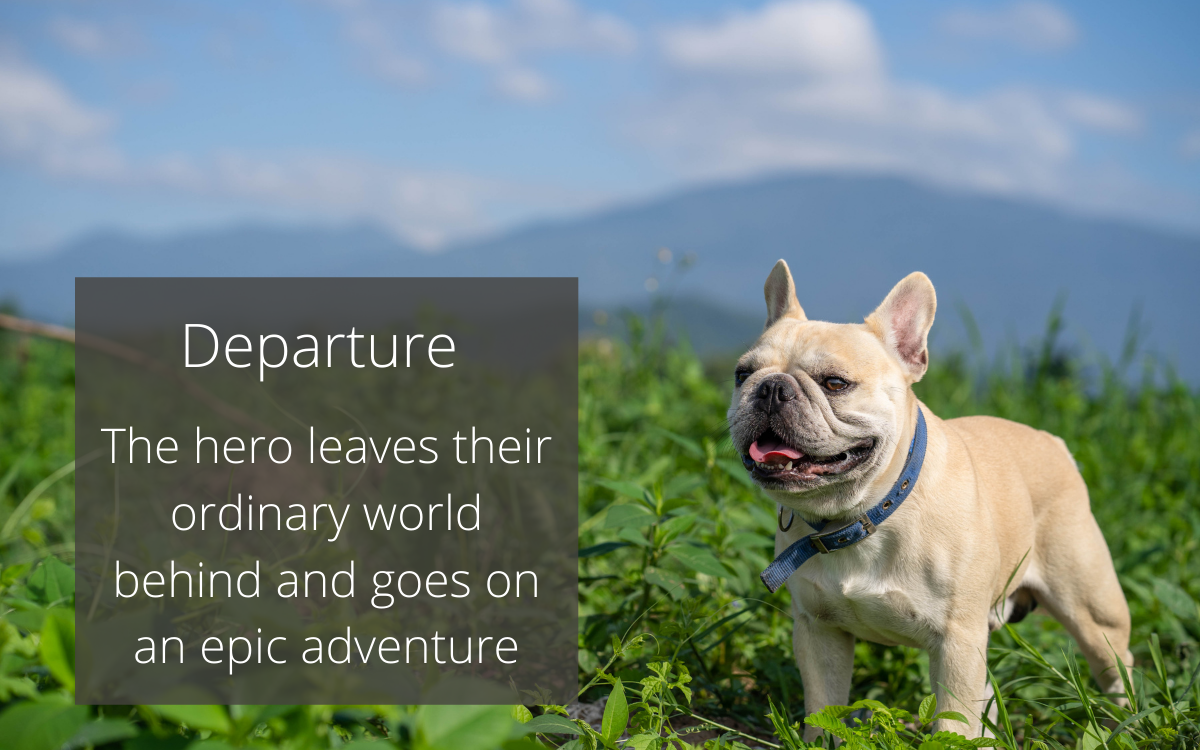
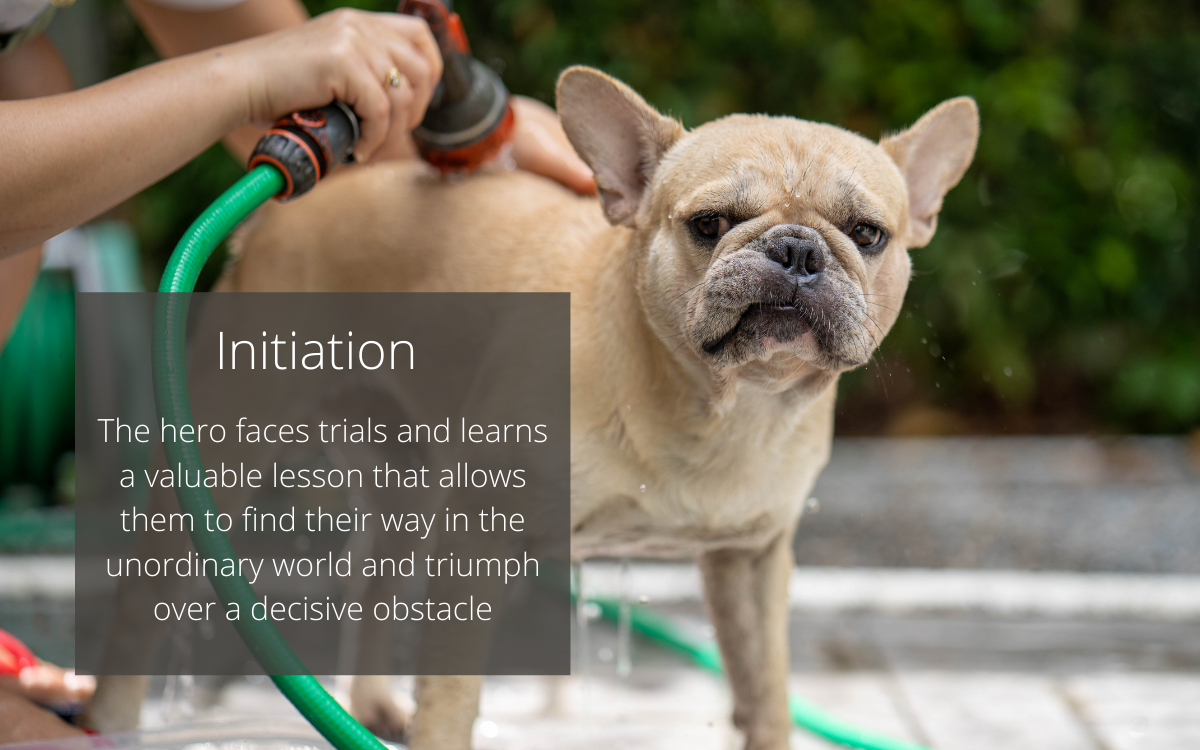
I revisited my PhD Hero’s Journey to share with them the joys and hardships of an educational research project. The hero’s journey refers to the mythological narrative archetype that has inspired storytellers throughout time and tale, and which can be summarized in three quintessential moments (Campbell, 1949):

Departure

Initiation

Return.

I hoped to acquaint my colleagues with some of the hero’s trials and troubles that are sure to come their way. I gathered ten lessons, which I also share with you, early educational researchers out there.

1. Be prepared for multitasking. Think of Camões, the 16th-century Portuguese poet, swimming for survival after a shipwreck while holding the manuscript of his epic poem, Os Lusíadas, above the waves, arm stretched out (legend says). While you’re trying to swim (for) your (personal, family, and professional) life, you will have an arm stretched out holding your opus.

2. Take care to conduct your research project and dissertation/thesis seriously, but without taking yourself too seriously. Despite all the swimming, your opus will not be perfect and will not change the (scientific and academic) world. Alas, the day after the public defense of your dissertation/thesis and after all your labors, the (scientific and academic) world will remain unaltered.

3. Learn to master the logistics. Get your tools together so you may: organize yourself; work daily on your research; write unabashedly (fear not the mystical blank page); avoid procrastination; and also, find your motto and put it to good use (remember that Rome wasn’t built in a day, so keep calm and breathe,because the journey is the reward).

4. Drop the baby analogy. Your research project and your dissertation/thesis are not a human being whose life is in your hands and with whom you are emotionally attached. It is an opus, which should and shall be open to questioning, discussion, and rebuttal.

5. Know when it is time to turn off your computer. If you struggle with this, ask a few good friends to be kind enough to ask you out for ice cream or a hike, and a good dose of ranting. Any excuse to make you get out of your sweatpants, comb your hair, and leave the house is more than welcome.

6. Create a support group. I am not referring to your “out-for-ice-cream-crew”, but to those who are making the same journey as you, and who understand what you are going through and what you are up against. Your mom, husband, kids, spiritual leader, and pets (the list goes on) are empathetic, and yet they cannot fully understand your hero’s journey. Reach out for your travel companions; this is a collaborative (not competitive) process.

7. Trust yourself. Your supervisor is in that rowboat alongside you, yet you are the one sculling in the first seat, the one responsible for steering the vessel; your supervisor’s job back in the stroke seat is to keep pace for the rowboat. If nobody rocks the boat, you both are rowing in the same direction, but you have better visibility and the duty-right to participate in the decision-making processes.

8. Cultivate positive attitudes – like curiosity, rigor, ethics, persistence, bravery, pride. You are making Science, so your point of arrival shall become the starting point of another researcher. Deliver a fine map. Instead of leaving the room as you found it, leave something beautiful behind. Contribute with something relevant.

9. Enjoy yourself. If you are too afraid to make mistakes or take steps back, you are missing out on the thrill of the adventure. Very often, in educational research, you will find the unpredicted. If your data differs from your hopes and dreams, it does not mean that you did something wrong; it means that you are doing it right.

10. Be ready to untangle the ball of thread and pass it on. You untangle as far as you can, and then you pass your ball of yarn on to another researcher, for them to unravel some more, and so on, in this craft that is to make Science. At the end of your research, you will have found some answers, and you will have found plenty of questions, and that is how it goes.

Each hero’s journey is unique, and while some of these lessons emerged for me, they may not save another hero’s life (metaphorically speaking). Perhaps conducting an educational research project is one of those things that you have to experience in order to fully understand the depths of its impact on you. Many factors influence an early researcher’s well-being and satisfaction during the research process (Levecque et al., 2017;Schmidt & Hansson, 2018; Sverdlik et al., 2018).

Regardless, early researchers out there on the heroic journey, with you, I share the one thing I know for sure regarding one’s trip down the educational research lane: at the end of the journey, the hero returns home. Wiser, tougher, smarter. More resilient, analytical, and courageous. Ready for another round. So, gather your tools, hold on tight, and just keep swimming.

Other blog posts on similar topics:

Dr. Amanda Franco

Dr. Amanda Franco

Postdoctoral Fulbright scholar at North Carolina State University, USA

Dr. Amanda Franco is currently a postdoctoral Fulbright scholar at NC State University (USA), and her research aims to analyze the perceptions of faculty who participated in TH!NK, a program on critical thinking and creative thinking held at NC State, in the frame of faculty development, and its impact on their teaching practices. Her doctorate (2016) and post-doctorate (2020), both in Science of Education, focused on critical thinking and its promotion in higher education. She is pursuing a master’s degree in pedagogical supervision at University Aberta (Portugal).
References and Further Reading

Campbell, J. (1949). The hero with a thousand faces. Bollingen Foundation.

Levecque, K., Anseel, F., De Beuckelaer, A., Van der Heyden, J., & Gisle, L. (2017). Work organization and mental health problems in PhD students. Research Policy, 46(4), 868-879. https://www.sciencedirect.com/science/article/abs/pii/S0048733317300422 

Schmidt, M., & Hansson, E. (2018). Doctoral students’ well-being: A literature review. International Journal of Qualitative Studies on Health and Well-being, 13(1), 1508171. https://www.tandfonline.com/doi/full/10.1080/17482631.2018.1508171 

Sverdlik, A., Hall, N. C., McAlpine, L., & Hubbard, K. (2018). Journeys of a PhD student and unaccompanied minors. International Journal of Doctoral Studies, 13, 361-388. http://ijds.org/Volume13/IJDSv13p361-388Sverdlik4134.pdf 

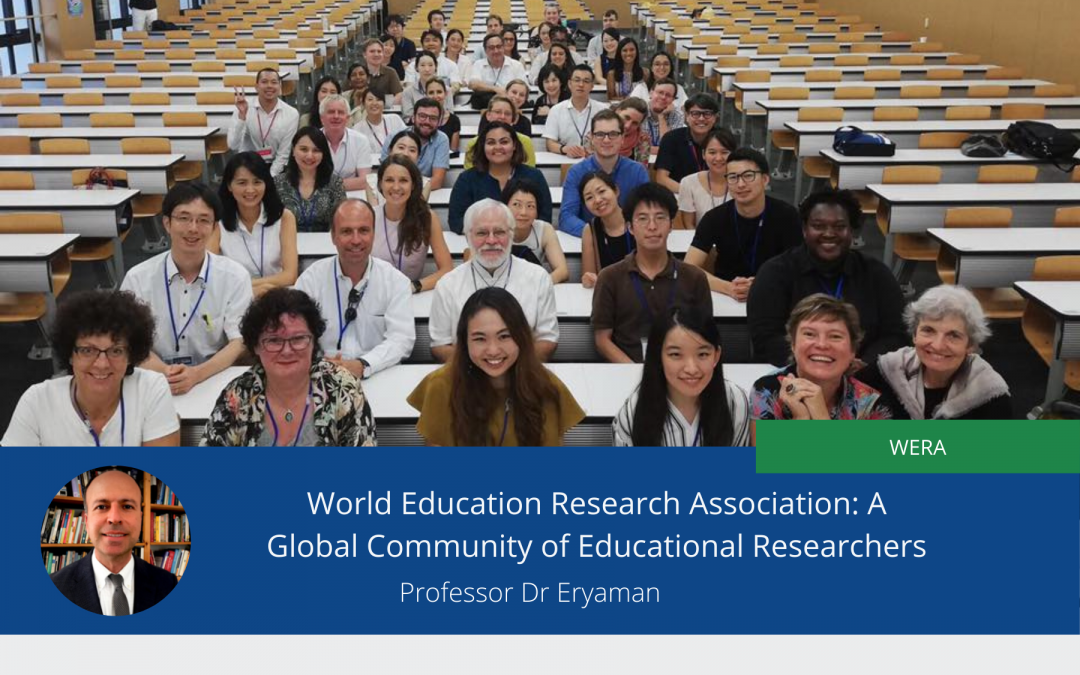
World Education Research Association: A Global Community of Educational Researchers

World Education Research Association: A Global Community of Educational Researchers

In April 2009, representatives from 24 education research associations around the world unanimously affirmed their commitment to establish a global network of educational scholars to advance education research worldwide. The establishment of the World Education Research Association signaled an ambitious commitment to work together as a global community of organizations to undertake initiatives that are global in nature and celebrate the diversity of traditions of local communities of educational researchers.

As an international, non-profit, non-governmental association of associations established for scientific and scholarly purposes, WERA seeks to forge new collaborations and cooperation at a global scale on such issues as:

  • building capacity and interest in education research,
  • advancing education research policies and practices,
  • promoting the use and application of education research around the world.

The ambition is to transcend what any single association can accomplish in its own country, region, or area of specialization.

WERA is situated to promote and stimulate such a worldwide perspective and is committed to doing so to inspire excellence and inclusiveness in education research and thereby serve the public good around the world. 

For more information about WERA and its member associations and institutions, please visit the website.  

What are the WERA activities and initiatives that researchers can benefit from?

WERA undertakes the following initiatives and activities to increase its support to educational researchers and research communities, particularly with respect to strengthening their international network and research capacity.

  1. INTERNATIONAL RESEARCH NETWORKS (IRNs)

International Research Networks (IRNs) aim to advance education research worldwide on specific academic topics. IRNs are temporary collaborative networks of educational researchers working on a particular scholarly topic, primarily through virtual communications. IRNs produce knowledge, analyze the state of research, and stimulate partnerships or otherwise identify promising pathways in research areas of worldwide significance. Primary products for IRNs are substantive reports that integrate the state of the knowledge worldwide and set forth promising scholarly directions.


  1. TASK FORCES

The WERA Council establishes WERA Task Forces to address education research or research policy issues where WERA may wish to disseminate information or present a view about sound research policy. Task Forces undertake a synthesis of the relevant research literature and prepare a report and recommendations, with the goal of providing an overview of the state of the empirical knowledge, core trends and issues, future research directions, and relevant policy based on extant research. Here is the list of current Task Forces with the links to their websites:

WERA and the response to COVID-19

World Education Research Association responded to the global Covid-19 crisis by establishing the Global Challenge and Education Taskforce in 2020. The taskforce coordinates the activities to disseminate education knowledge in the WERA community which can serve as resources to advise and assist educators and educational researchers around the world in responding to global crises, particularly to the Covid-19 pandemic.

Armed conflicts, forced migration, and climate change crises have already disrupted the education of millions of children and youth around the world. And the number has been increasing in an unprecedented way during the COVID-19 pandemic. We are seeing a ‘pile-on effect’ of existing crises being exacerbated by the global COVID-19 pandemic, leading to interruptions in education that can have long term implications — especially for the most vulnerable groups including girls; refugees and migrant children; children and youth with disabilities; and children with low SES status. The task force has developed an action plan with short, medium, and long-term strategies to demonstrate how educational research can contribute to the efforts of solving the challenges faced during the time of global crises.

For more information about the COVID action plan, please visit our website.


  1. FOCAL MEETINGS

Each year, WERA holds a Focal Meeting in conjunction with the Annual Meeting of a WERA member association. Focal Meetings consist of a strand of paper and symposia sessions, lectures, and other substantive activities focusing on issues of significance to education research through a worldwide perspective. Research that is comparative, cross-cultural, international, or transnational in conceptualization, scope, or design is emphasized.


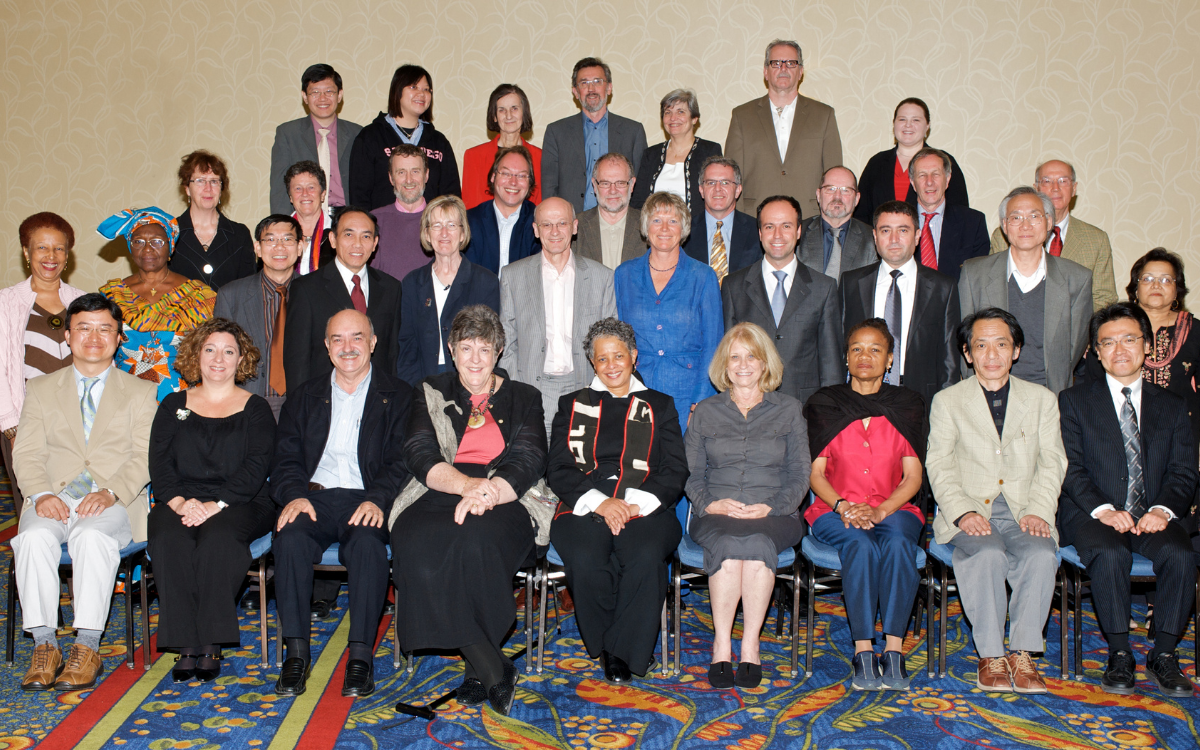
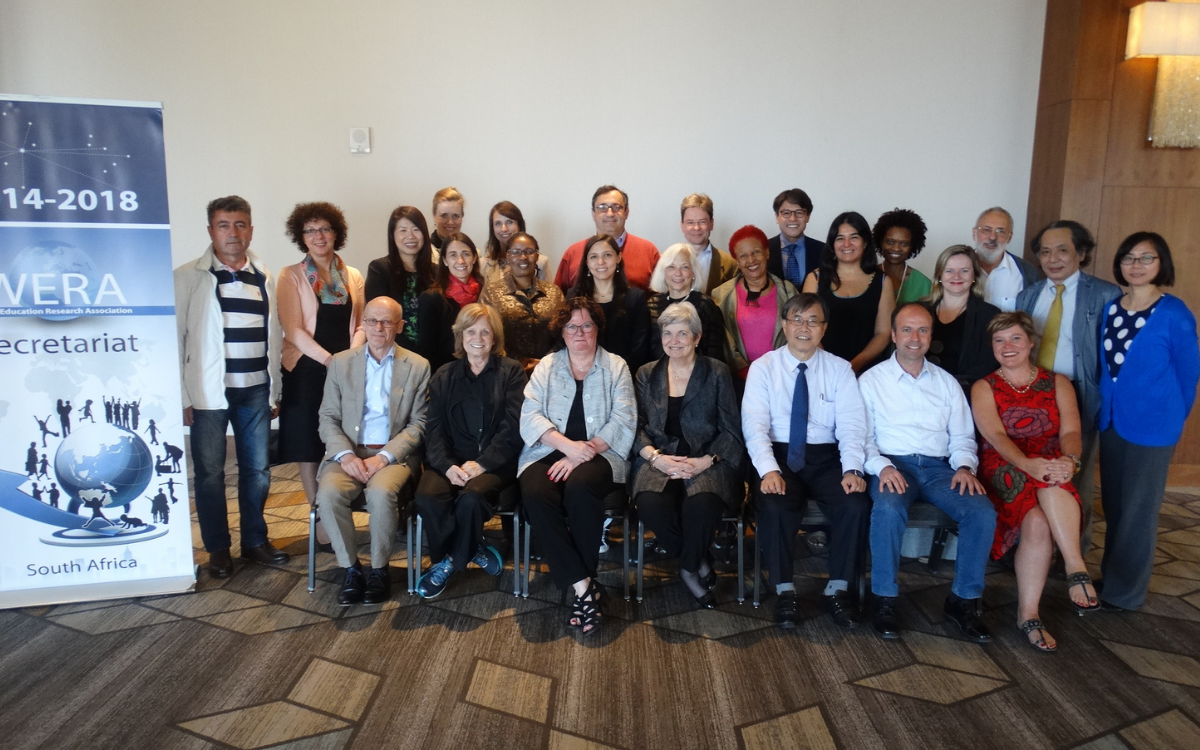
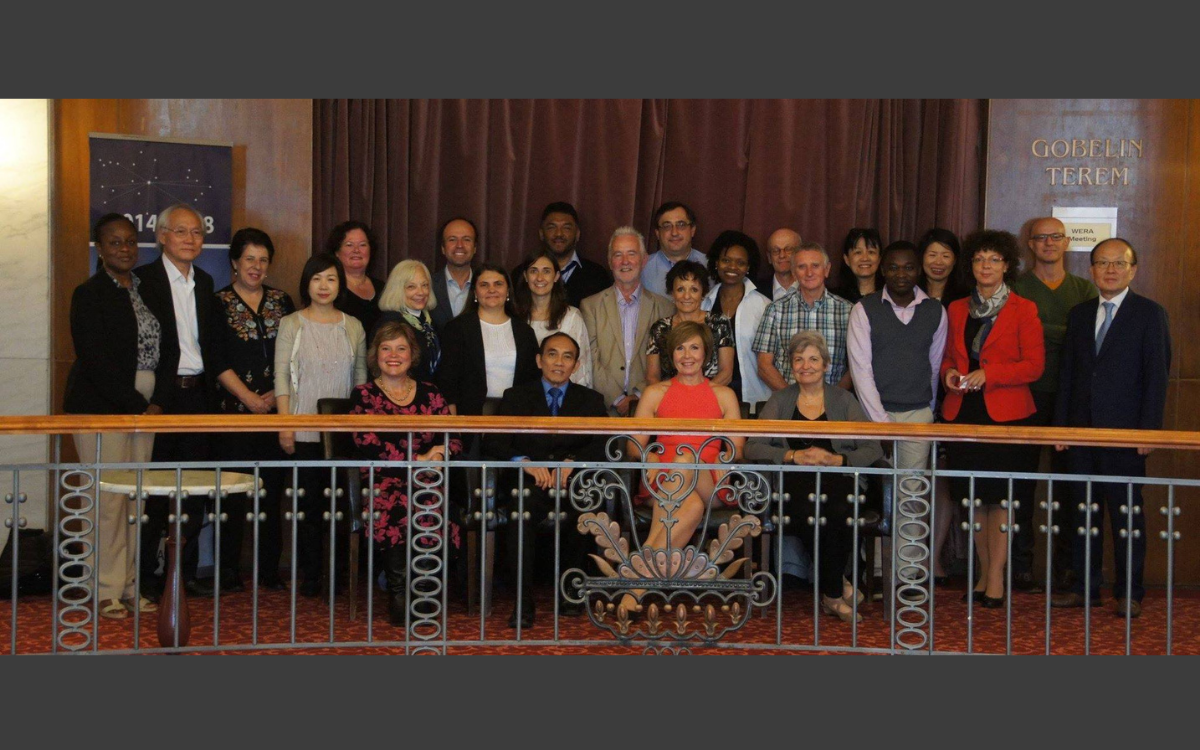
The World Education Research Association (WERA) 2021 Focal Meeting was held virtually in collaboration with the Universidad de Santiago de Compostela and Sociedad Espanola de Pedagogia (SEP), an EERA member association.  The 2022 Focal Meeting will be held in San Diego, USA in conjunction with the Annual Meeting of the American Educational Research Association. Previous WERA Focal Meetings were held in Kuala Lumpur, Malaysia (November 2010); Kaohsiung, Taiwan (December 2011); Sydney, Australia (December 2012); Guanajuato, Mexico (November 2013); Edinburgh, Scotland (2014); Budapest, Hungary (September 2015), Washington DC, USA (2016), Hong Kong (2017), and Tokyo (2019). In 2018, the first-ever WERA World Congress was held in Cape Town, South Africa.


  1. DOCTORAL AND EARLY CAREER NETWORK (DEC)

WERA Doctoral and Early Career Network (DEC) aims to provide doctoral and early career scholars with the opportunity to network with and meet each other, as well as to build relationships with expert researchers in the field of education.  
The Doctoral and Early Career Network established three important initiatives for the members:

  • Visiting Researcher Awards:  In collaboration with the International Evaluation Association (IEA), University of Hamburg; Leibniz-Institute for Research and Information in Education in Germany, and American Educational Research Association (AERA), WERA offers three Visiting Researcher Awards. 

There are two important aims of the award program:

    1. Provide young scholars with direct access to big data and resources to help them carry out their research projects
    2. Provide the opportunity to collaborate with IEA, AERA, and Hamburg University research staff and promote networking within a global research community.
  • Online Seminars: World Education Research Association is dedicated to capacity development and recognizes the importance of equal access. Therefore, our online seminars allow researchers from all over the world to access these opportunities. The seminars are organized in collaboration with our Member and Institutional Associations.

  • Online Mentoring: World Education Research Association aims to develop an innovative, online-based Mentorship Program that links senior scholars and postdoctoral educational researchers who share a common research interest.


  1. PUBLICATIONS

 One of the aims of the World Education Research Association is to advance education research as a scientific and scholarly field. By publishing the WERA 2015 Yearbook, the two-book series, as well as research articles and books authored and edited by WERA Individual Members, International Research Networks (IRNs), and Member Associations, WERA contributes to the body of scholarly knowledge of education.
 By clicking on the links of the WERA publications below, educational researchers can access WERA-generated and WERA-related knowledge on education research: 

Which research associations are part of WERA?

WERA is an association of major national, regional, and international specialty research associations dedicated to advancing education research as a scientific and scholarly field.

WERA member associations include education research associations from countries around the world, including: Brazil, Cyprus, England, Germany, Ghana, Hong Kong, Japan, Korea, Kosovo, Malaysia, Mexico, Netherlands, Pakistan, Peru, Poland, Scotland, Singapore, South Africa, Spain, Sweden, Taiwan, Turkey, and the United States.

The European Educational Research Association (EERA) is also a prominent member, further reaching out to scholars across all EERA countries. The founding president, Ingrid Gogolin, the current president, Mustafa Yunus Eryaman, and the current vice president, Joanna Madalinska Michalack, of the World Education Research Association have served the EERA community many years in the capacity of a member of the EERA council or executive committee.  

WERA conducts outreach to education research associations and groups of scholars around the world, particularly from developing nations in Africa, Asia, and the Global South.

Inclusiveness is a key goal of WERA. WERA promotes initiatives to cultivate and support education research associations in developing regions of the world.

How can I become a member of WERA?

In addition to the Association Membership, WERA provides two different types of membership to the public: Institutional Membership, and Individual Membership.

Institutional Membership includes non-profit research centers and institutions, higher education institutions, and other research organizations while Individual Membership is open to scientists, scholars, students, and other professionals.

Professor Dr Eryaman

Professor Dr Eryaman

President of the World Education Research Association

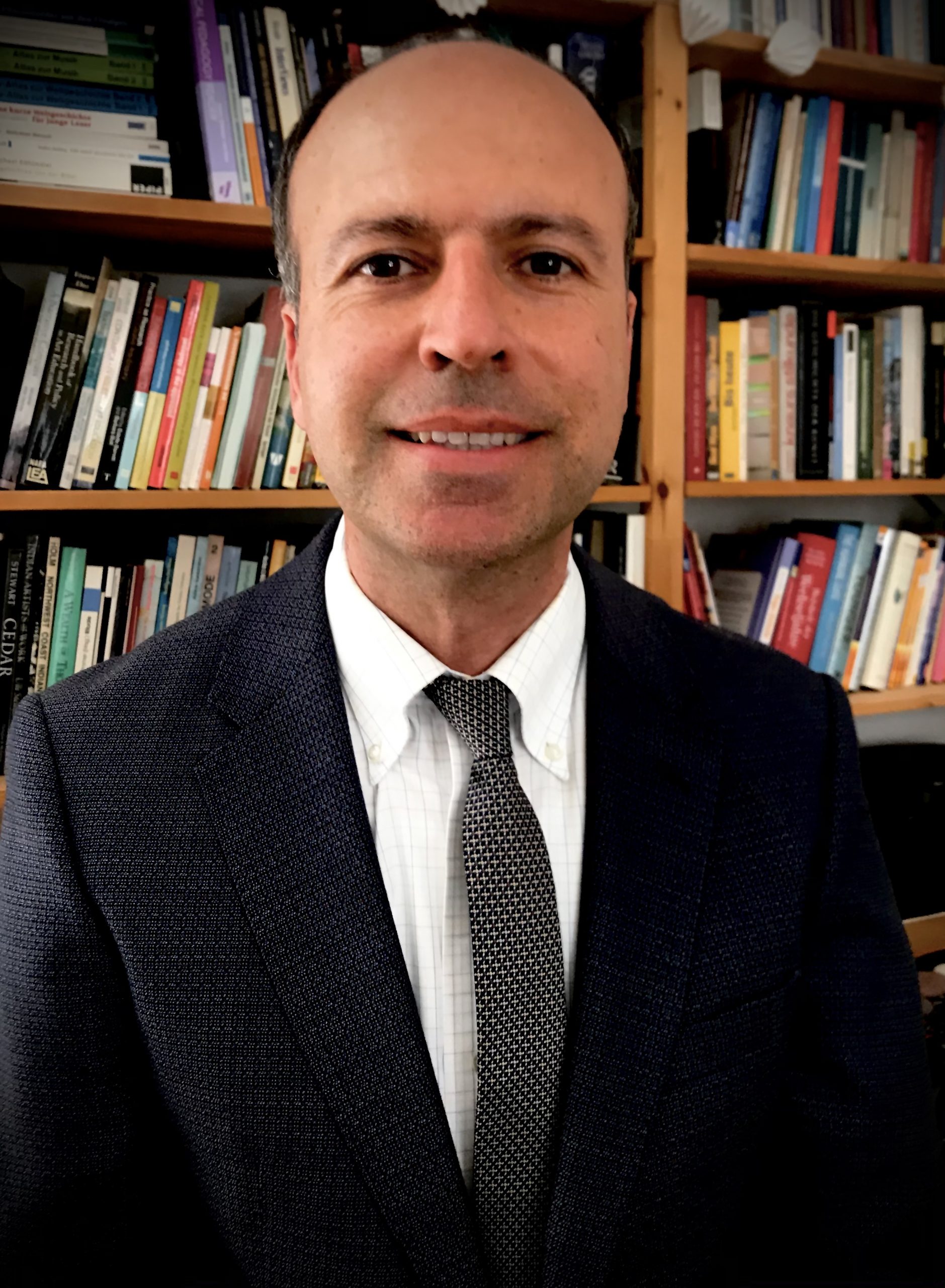
Mustafa Yunus Eryaman is professor of Curriculum and Instruction at Canakkale Onsekiz Mart University, Turkey. Professor Eryaman currently serves as the president of World Education Research Association. He was the past-president of the International Association of Educators (INASED) and Turkish Educational Research Association. He has worked as a DAAD-TUBITAK professor at the Institute for International Comparative and Intercultural Education in the University of Hamburg, Germany for two years.
He was a visiting Professor and Honorary Research Fellow at the Institute for Policy Studies in Education at London Metropolitan University, UK in 2011. He received his MEd from the University of Missouri-Columbia and his PhD from the University of Illinois at Urbana-Champaign, USA.

Professor Eryaman has served on the EERA Council as the representative of the Turkish Educational Research Association (TERA) from 2009 to 2018. He currently serves as the series editor of a Springer Book series entitled “Evidence, Science and Public Good in Education”and as the regional editor of the “Bloomsbury Education and Childhood Studies” series of Bloomsbury Publishing.

He is the managing editor of International Journal of Progressive Education; the author of Teaching as Practical Philosophy (2008), and the book editor of Evidence and Public Good in Educational Policy, Research and Practice (2017), International Handbook of Progressive Education (2015); Accountability and Transparency in Education: Global Challenges and Local Realities (2014) and Peter McLaren, Education, and the Struggle for Liberation (2009).

5 Tips for Emerging Researchers to get more involved with EERA and its Networks

5 Tips for Emerging Researchers to get more involved with EERA and its Networks

In this blog post, ERG Group Convenor, Dr Saneeya Qureshi addresses some of the frequently asked questions that she has received from EERA’s emerging researchers. A number of these have arisen from responses to the following question in the annual survey ‘What question(s) about the Emerging Researchers Group (ERG) or EERA still remain uppermost in your mind?’

Before we get to the responses, it is worth flagging the Emerging Researchers Group page, which links to various activities that are offered throughout the year.

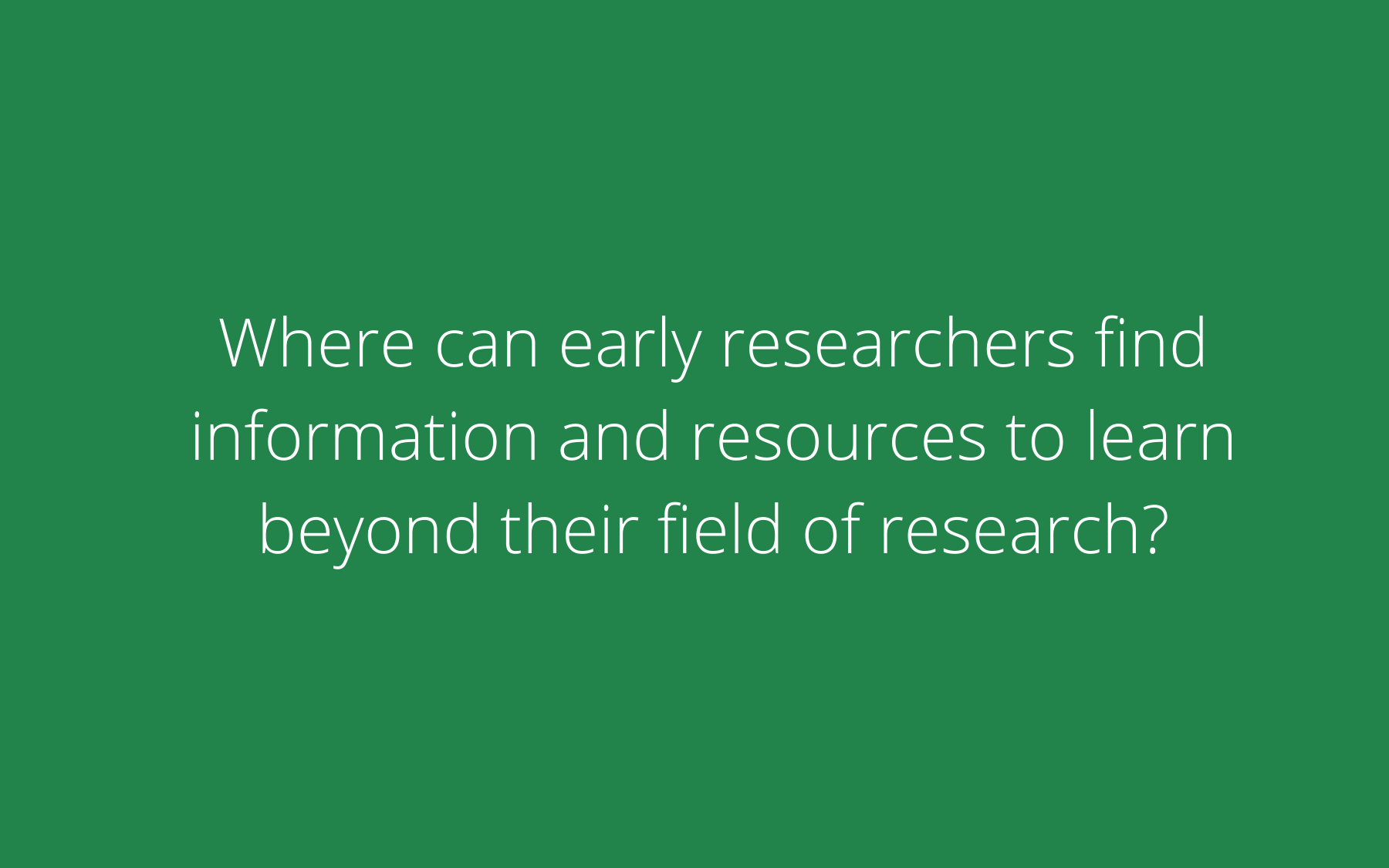
“The early researchers are eager to learn beyond their field of research. For example, we would appreciate workshops or blog posts that would introduce us to research methods (so we can better understand, appreciate and link to the work others are doing). In addition, we are aware that we lack skills in presenting our work in a way that would be the most beneficial for our career progress. Where can we find information or resources for this?”


Answer: We know that early researchers are eager to learn beyond their field of research, to be introduced to research methods that would help them better appreciate and link their knowledge to the work others are doing. To address this need, we regularly share via the ERG mailing list information about workshops, seminars, summer schools, call for papers, and various other research-related opportunities are shared via the ERG mailing list. Join the mailing list by sending a blank message to erg-subscribe(at)lists.eera-ecer.de).

During the annual Emerging Researchers’ Conference (ERC), multiple capacity-building workshops and network workshops are also offered across the programme, in addition to the Annual EERA Summer Schools on Methodology.

Concurrently, the EERA Blog (to which anyone is welcome to subscribe at no cost) publishes regular posts on a diverse array of topics, ranging from research methods to educational engagement activities. The EERA Blog also provides tips on academic publication and conference attendance for emerging researchers. Further local opportunities for emerging researchers are available via the activities of their respective country’s National Associations.

Answer: There are a multitude of ways to get involved with EERA. You can do this via engagement with the ERG activities – including those highlighted above, the Best Poster Award, Best Paper Award, the ERG Mentorshipopportunities (access for which individuals must attend the ERG annual meeting at the ERC each year), or the respective EERA Network activities.

My advice would be to go through the EERA Networks, see which one(s) are most relevant to your research interests, and then join their mailing list. During the EERA Conference, attend their Network meetings to learn more about the senior academics who lead and engage with these networks and small communities, and build your own connections with them.  

It is worth noting here that Emerging Researchers and those who participate in the activities of the Emerging Researchers’ Group need to be members of their respective National Associations to qualify as members of EERA. Members of a national association that is a part of EERA can claim the lower fee for the annual conference, the ECER (European Conference on Educational Research). In addition, their associations can grant them free access to EERA’s scientific journal, the European Educational Research Journal (EERJ).

More information about being a member of EERA via one of its National Association members is available here.

Answer: Being involved with an EERA network does not require you to have any prior engagement with a specific network or Special Interest Group (SIG) that may or may not exist within your relevant national association. Your engagement with an EERA Network happens directly (see my tips in the answer above), without the need for pre-existing membership of a group, other than that of the main national association itself.
Answer: The answer to the first question in this blog covers information about networking opportunities between researchers at all career levels that are disseminated throughout the year via the ERG mailing list. The design of the wider ERG activities, and the ERC itself is purposefully done in a manner to afford emerging researchers the opportunities to meet and connect with researchers at all career levels, for instance, the exponentially successfully mentoring opportunities, as outlined above.

However, in a more focused approach to the issue raised in this question, the Annual ERC, when in-person, offers two lunchtime sessions dedicated entirely to a protected time and space for emerging researchers to engage and network with more experienced, senior academics, and EERA representatives. Since the onset of Covid and online events, the Annual ERG meeting has been combined with what would otherwise have been the first ERC lunchtime session on ‘Making the most of the ERC and Getting to know EERA’ session. It provides an opportunity for EERA’s emerging researchers, their supervisors, and research leaders to engage in interactive discussions which support:
    • broadening professional development opportunities and research dissemination experiences internationally;
    • exchanging experiences and ideas about research and researcher development;
    • actively participating in a European research community for Emerging Researchers.
All ERC participants are invited to this informal session which is jointly facilitated by experienced academics and the ERG co-conveners to enable those attending the ERC to understand the EERA structure and chart their way through the ECER conference program.


The following themes are covered during the session in the breakout groups, for informal discussions pertaining with the experienced academics and the ERG co-convenor teams:

Doing Educational Research:
The session included representation from the Editors of ‘Doing Educational Research: Overcoming Challenges in Practice’. This SAGE/EERA book was developed as a result of feedback from PhD students and addresses challenges researchers have encountered in their projects. In this session, we heard accounts of how experienced researchers handled entry into the research field, how they discussed and managed research results that posed problems when accounted back to the field, and how doing research in a second language, i.e., English, creates a complex set of challenges from interpretation to the communication of your research.

Networks, Networking, and Development Opportunities:
Discussions around how emerging researchers could connect with experts in their field by identifying their network and attending their programs. Also discussed were opportunities and strategies for building professional networks during ECER and beyond.

Converting a conference paper into a publication:
Participants were given insights into the unique opportunities available to them after the Emerging Researchers’ Conference, to maximise their publication success. Also discussed were the multitude of possibilities that the ERC offers for emerging researchers to receive feedback on their work, for example, during and after their conference presentations.

ERG co-convenors:
Meet the Emerging Researchers’ Group co-convenors who shared their recent experiences as Early Career Researchers and provided helpful tips for making the most of the conference experience.


Moving forward, we hope to return to face-to-face ERCs, in which case we will offer the following dedicated opportunities for emerging researchers to network with those at all career levels, backgrounds, disciplines, and experiences:

    • First day of the ERC lunchtime session: ‘Making the most of the ERC and Getting to know EERA’
    • First afternoon of the ERC: ERG meeting, which is attended by numerous PhD supervisors
    • First evening of the ERC: Dedicated social activity for key ERC stakeholders at all career levels
    • Second day of the ERC lunchtime session: ‘Lunchbreak with Local Academics’

As such, colleagues are advised to engage with upcoming ERCs to avail the opportunities of these dedicated networking events.

I would like more information about research design issues and the European perspective – it is obviously an important agenda to seek transnational European mutual understanding and try to team up on important educational issues. However, we also need to talk about differences. Schools are not alike all over Europe. So many little things such as teacher-pupil-relations etc. need to be explored. How to balance quality standards and innovations, which go beyond standards? How to maintain, cultivate and acknowledge cultural and linguistic diversity beyond the Anglo-Saxon mainstream and the one-dimensional notion of the ‘international’? How can I find the space and time for a relaxing and inspiring intellectual experience?


Answer: At EERA, we couldn’t agree more about the need for time and space to further educational research, debate, and discussion for the benefit of society! This is at the heart of who we are and what we do, and is why we provide the various opportunities as outlined in answer to the first question in this blog.

The flagship world-renowned Annual European Conference on Educational Research (ECER) attracts about 3000 participants from more than 70 countries. It is the primary forum to meet and engage with researchers from a broad field of academic traditions, themes, and cultural backgrounds – 1000+ sessions across EERA’s 33 Networks are facilitated over the course of one week, and include a mixture of oral, video, paper, and poster presentations, Ignite Talks, panel discussions, symposia, research workshops, network meetings, social events and more – all designed to facilitate and share cutting edge research designs, projects, effective practices, information, debate, and discussions on the whole spectrum of educational topics.

To learn more about the ERG, ERC, and ECER, visit the EERA website, which is updated regularly with information, news, guidance, and job opportunities related to educational research: https://eera-ecer.de/  

Dr Saneeya Qureshi

Dr Saneeya Qureshi

Head of Researcher Development and Culture at the University of Liverpool, UK

Dr Saneeya Qureshi was the Link Convenor of the Emerging Researchers Group for the European Educational Research Association (EERA) between 2015 - 2023. She is the Head of Researcher Development and Culture at the University of Liverpool, UK.

She is responsible for the University’s provision for researchers at all stages of their careers. She manages activities related to the University's European Commission's HR Excellence in Research Award, liaising with stakeholders regarding Liverpool's commitment to the development of its Early Career Researchers. She holds a PhD in Inclusive Education, and has over 15 years of experience in teaching and educational management in the UK and internationally.

Since 2015, Dr Qureshi has been a co-opted member of the EERA Council where she represents emerging researchers' interests. She leads an annual programme of EERA's developmental and capacity building activities for emerging researchers, including the annual Emerging Researchers Conference. She is also an Editorial Board member and a reviewer for several international educational journals. She can be found on Twitter @SaneeyaQ