4 Things I Found Useful about the Emerging Researchers’ Conference and Best Paper Award

4 Things I Found Useful about the Emerging Researchers’ Conference and Best Paper Award

Sofia Eleftheriadou received the ERG Best Paper Award 2019 for her paper titled “Conceptualisation and measurement of collaborative problem solving: a systematic review of the literature” following an extensive assessment process conducted within the Emerging Researchers’  Group. A short description of the paper can be found here.

We asked Sofia to share her experience from participating in the Emerging Researchers’ Conference and the Best Paper Award competition, reflecting on what she personally found useful as well as what she thinks other emerging researchers might want to know about the process.

Emerging Researchers’ Conference

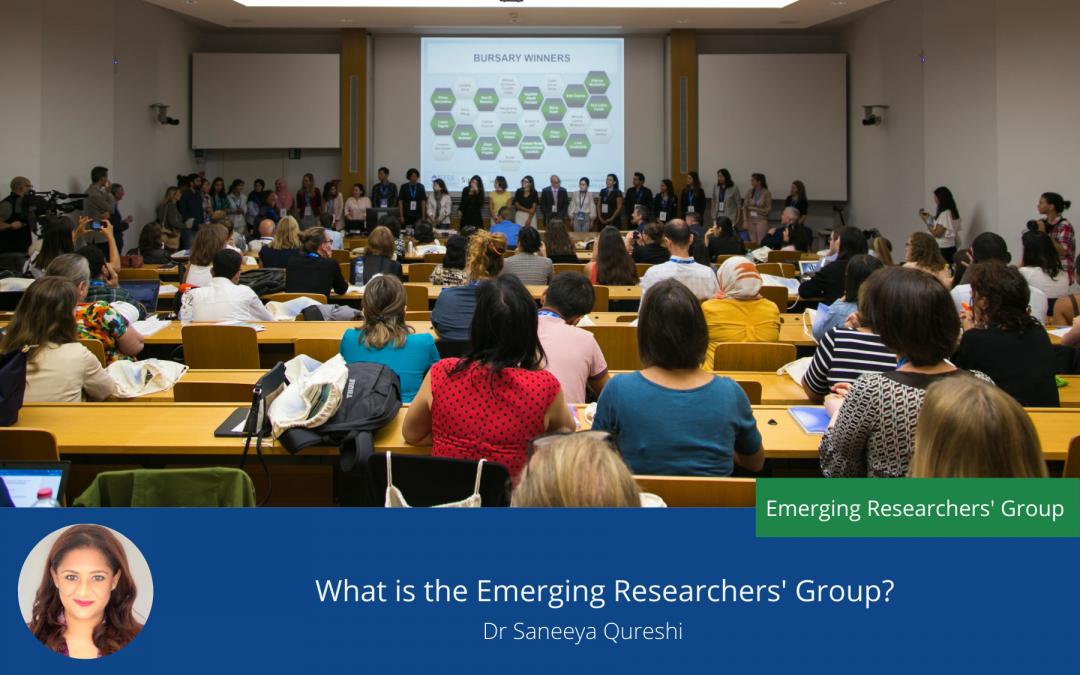
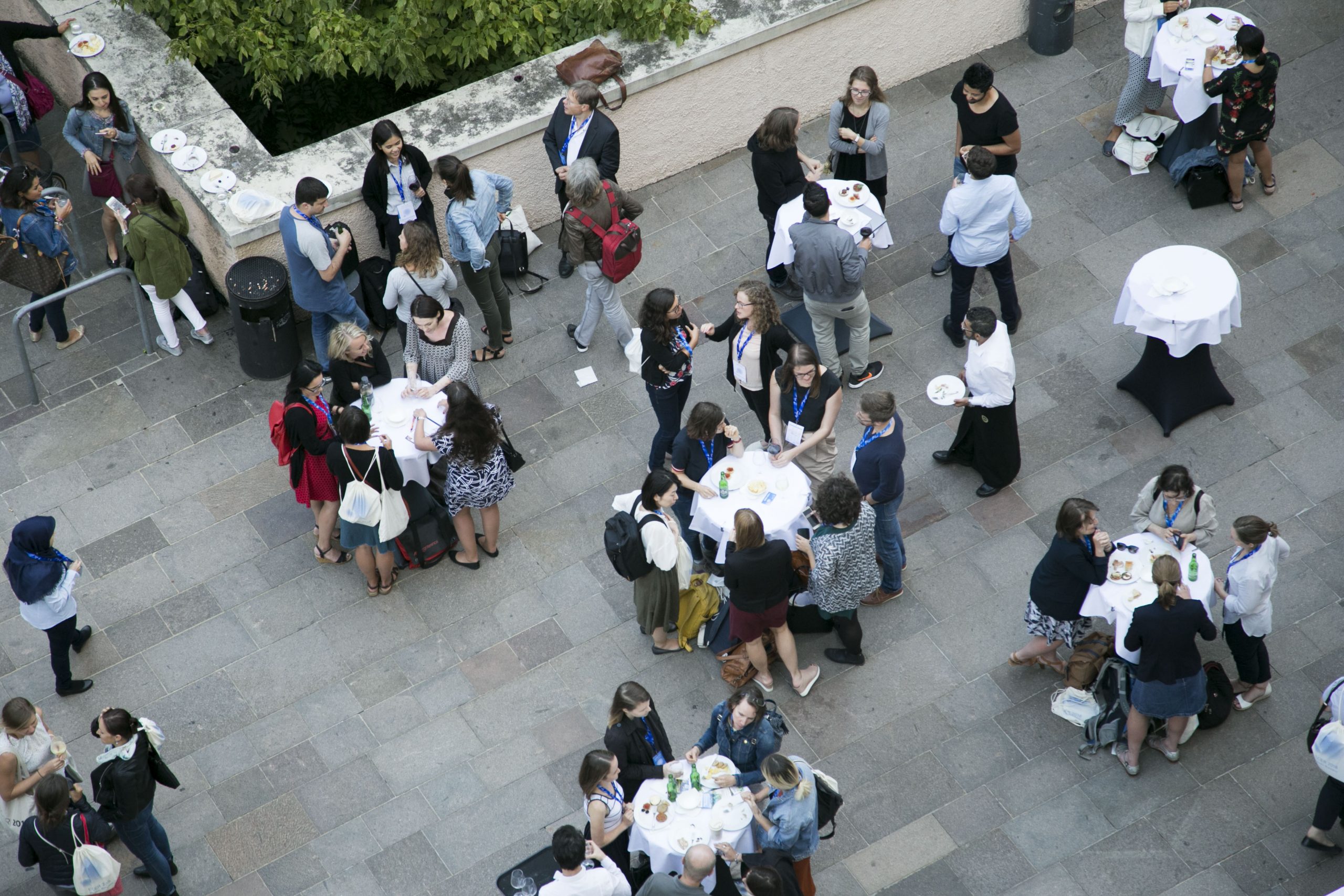
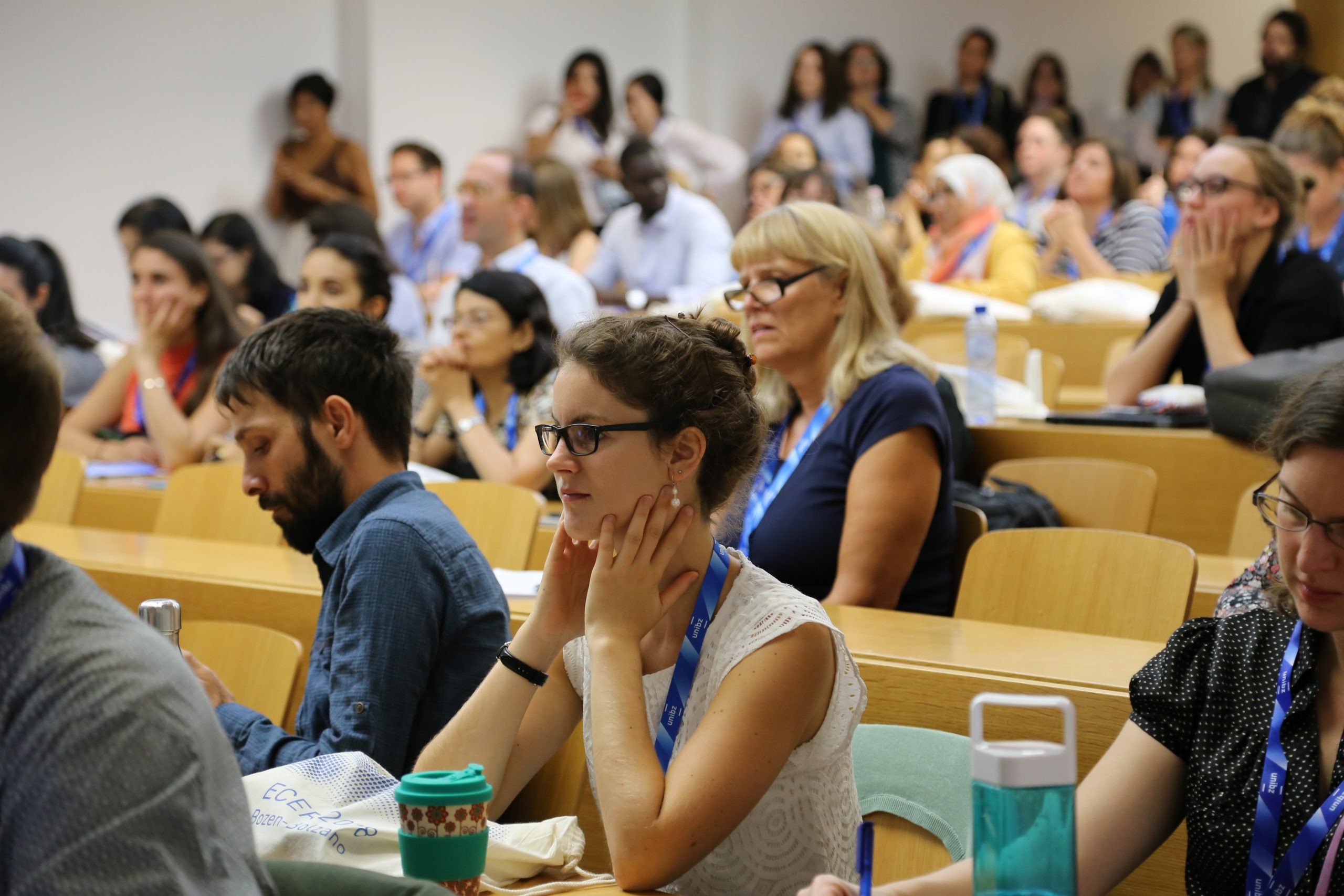
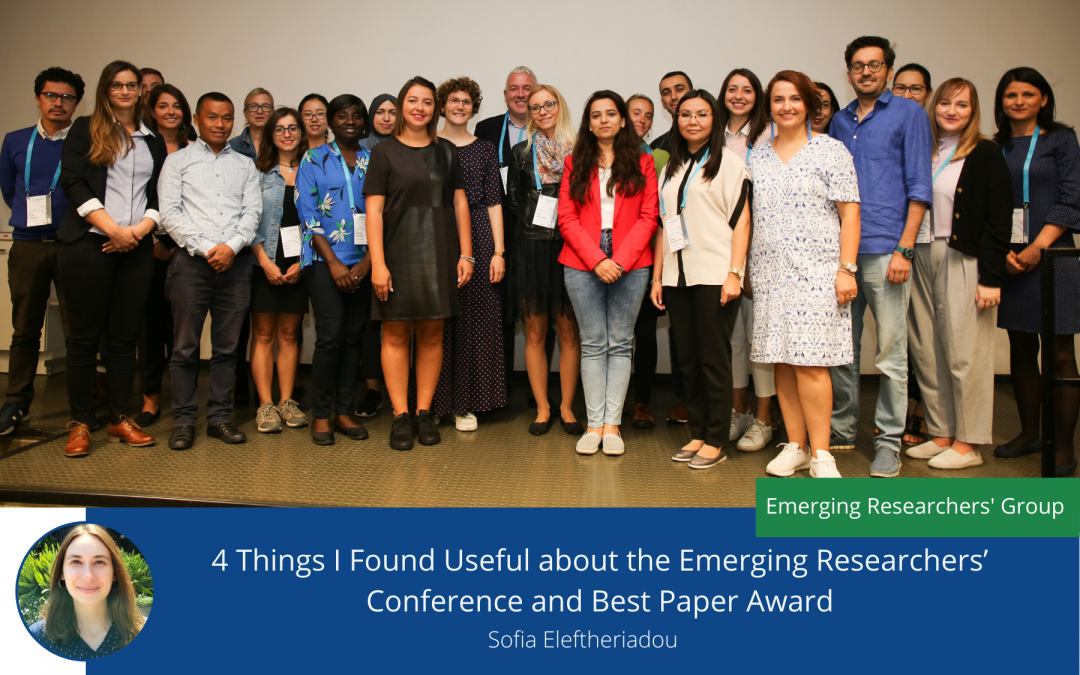
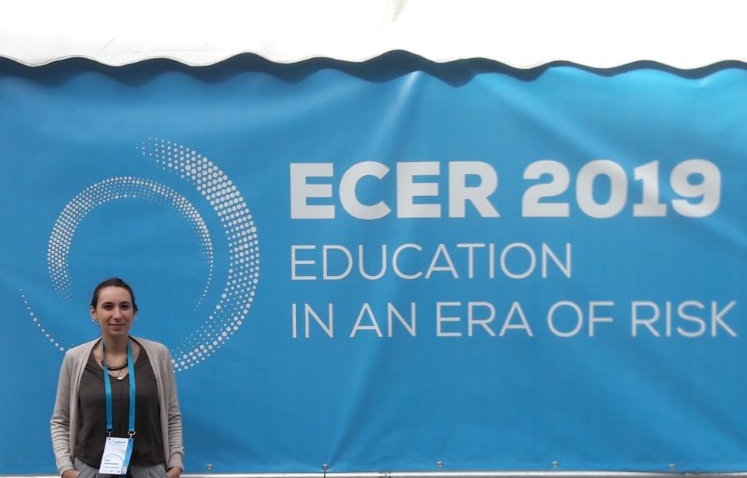
In September 2019, I presented my paper at the Emerging Researchers’ Conference (ERC) which took place just before the European Conference for Educational Research in Hamburg. The participants and the audience in that conference were mainly early career researchers, some currently undertaking their doctorates, so I found it very encouraging to discuss preliminary findings from my research with them.

During ERC there were many workshops designed particularly for emerging researchers, such as academic writing, as well as workshops for specific fields of research, such as gender and education, offering great opportunities for professional development. Since these workshops were tailored to the needs of early career researchers, I found that they were the best place to ask questions about publishing, careers in academia, etc.

I also attended the Emerging Researchers’ Group meeting where participants were introduced to the Link Convenor and Co-Convenors. The meeting informed us about the activities offered within the group with the aim of promoting emerging researchers. One of those was the Best Paper Award competition. At the end of the meeting, there was plenty of time for discussion, where emerging researchers could offer suggestions for activities that they would like to see being developed in the future.

Best Paper Award Assessment Process

Following the Emerging Researchers’ Conference, I decided to submit my paper for consideration to the Best Paper Award competition. These are the four things that I found useful for my professional development as an emerging researcher currently undertaking doctorate research.

The timeframe

I found that the timeframe of the competition worked well in terms of giving me a structure as well as motivation to develop a full paper. Submission of the full paper was planned two months after the conference. Reviewers then provided their feedback and we were given another two months to develop the paper, addressing reviewers’ comments and re-submitting for final consideration.

Reviewers’ comments

Feedback received from reviewers was focused on three aspects: the significance of the contribution to studies in European Educational Research, the clarity of presentation, and the fulfilment of international scientific research standards. The comments I received were first, very encouraging, highlighting the positive aspects of my contribution and second, well-targeted, giving specific directions on the ways that I could work on expanding and enriching my research.

Length of submission

Manuscripts considered for the award could be up to 7,000 words in length. As an emerging researcher, only my supervisors had so far read such long pieces of writing from my research, so I considered this a great way of getting feedback in something that will eventually be included in my thesis.

Practice writing in journal article style

Finally, preparing my submission was also a good exercise in turning a thesis chapter into a journal article. To do this, I had to carefully consider what information to include for my manuscript to stand alone as a body of work. What I found helpful was having in mind the reviewer or any reader unfamiliar with my research, who should be able to read my articles and understand its contribution without requiring additional information from my thesis.  

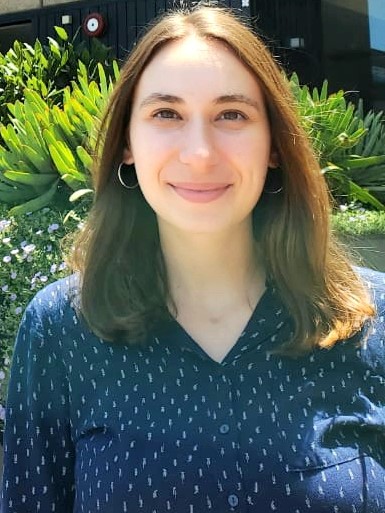
Sofia Eleftheriadou

Sofia Eleftheriadou

Third year PhD candidate at the Manchester Institute of Education, University of Manchester, UK

Sofia Eleftheriadou is a third year PhD candidate at the Manchester Institute of Education, University of Manchester, UK. She holds a studentship from the UK Economic and Social Research Council (ESRC). In her thesis, she is examining the validity of students’ responses to a collaborative problem-solving test used in the Programme for International Student Assessment (PISA). She has recently completed an internship at the Australian Council for Educational Research (ACER), where she worked on assessment development. She has previously worked as a research assistant in projects related to students’ mathematics anxiety and performance, and as a teaching assistant in postgraduate taught units at the University of Manchester.

Sofia’s university researcher profile can be found here. Find her on Twitter

5 really helpful tips for completing your PhD

5 really helpful tips for completing your PhD

The doctoral journey is well known for its highs and lows. PhD Student Emily Dowdeswell took a look for us – consulting both the internet and experienced academics to bring us this awesome list of tips.

Invest in Your Support System

Find a way to remind yourself you are not alone in the struggle. Support will look different for each of us. Some of us will need support with working, others will need support with relaxing. Many of us will need to be reminded of the simple joys of conversation.

Dr Donna Peach’s Online Writing Rooms bring students together to share support, knowledge and friendship for example. The twitter account @virtualnotviral offers support for doctoral students working in troubled times as well as regular Twitter chats. The EERA Emerging Researchers’ Group has a LinkedIn group to help you connect to other researchers around the globe.

Keep a Research Journal

You will be probably be doing a lot of thinking, evaluating and questioning this year. Value this confusion as a seed field for your journey. Develop an alternative space for jotting down your thinking. For some ideas on why and how to keep a research journal try Dr Anuja Cabraal’s post or Srivina Rao’s reasons for why you should always carry a notebook.

If you are collecting data this year then make time to review and think deeply about your theoretical framework, recommends Sharon Walker, an upcoming doctor at the University of Cambridge:

“Although my second year was tiring- I did an ethnography- my mind was less challenged conceptually than in the first, third and fourth year. On reflection, I would have used this ‘downtime’ to spread out the ‘work’ of thinking into the second year”.

Create!

Get in the habit of creating in multiple ways. Encourage yourself to connect and communicate with your world and chase joy in doing so – particularly when the going gets tough. 

Barbara Spicer, a first-year PhD student, gravitated towards creativity during the COVID-19 lockdown: painting pebbles with her daughter, doing a jigsaw puzzle for the first time in years, baking beer bread and translating poetry.

“It was only when watching an episode of Grayson Perry’s Art Club that the reason became clear,” reveals Barbara. “We are all wounded, and art is very healing. The process, rather than the product, is most important. This mirrors my research project which takes a process-orientated approach to literary translation”.

Be open to inviting creative practice into your research approach. If you are interested in the conversations around scholarly creativity, have a look at this open-access article that investigates creative possibilities during your PhD.

Be Open and Responsive

Be open and responsive – to the people and environment you are researching with.

Third-year PhD student Petra Vackova explains that while it is important to be well prepared with your research design as you enter the field, it is just as important to be flexible and responsive to the people and environment you are researching with.

“I felt the pressure to start recording and capturing everything right away but managed to resist that urge in the end. I gave myself time to slow down, be attentive to relationships first and develop research deeply embedded in ethics of care,” says Petra, “there is an opportunity, during a PhD, to develop a slow, ethical, and response-able research process that has the potential to contribute to knowledge differently”.

Work and Fun are Happy Soulmates

Monitor how and when you have fun and make time to do so. For Karen Wong-Peréz, now a senior researcher at the International Institute for Environment & Development, music helped sustain her mental health during the second year:

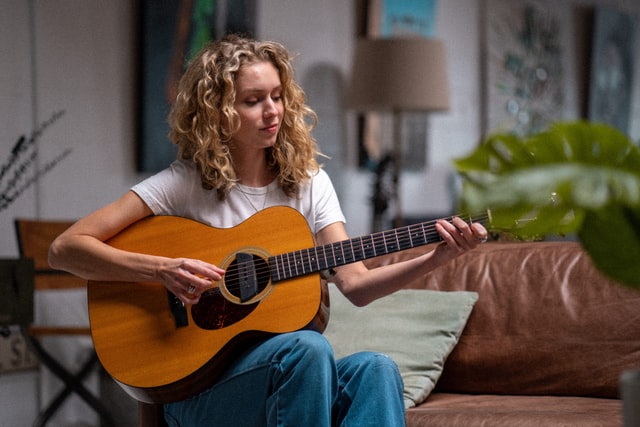
“For some reason, when I was stuck in writing or thinking, I started following YouTube tutorials on how to play music. So, I got a keyboard, then a guitar and a flute and it helped me a lot – maybe my brain needed that kind of artistic stimulus to keep balance”.

Research with adult learners suggests that having fun is motivating, enhances learning and helps build a socially connected learning environment.

“Fun is just another word for learning”, argues game designer Raph Koster. Be intentional about inviting fun into your research. If fun is about pushing at edges, approach your research as a cluster of edges that need to be tested. Invariably your own principles and foundations will be rocked too, get ready to frame that discomfort as part of the ride.

Reflecting on the shared experience between the incoming and preceding second years has been an enriching process, “in these uncertain times, we need each other more than ever”. Emily is thankful to the many friends and colleagues who shared their advice with her and to colleagues who have generously offered the resources referenced above.

NOTE:  This post was originally written in August, 2020, during the COVID-19 pandemic. Though the post was originally titled, ‘Tips for completing your PhD during COVID-19’, we realised that the advice is just as valid four years later, after the crisis had passed. For this reason, we have updated the post and the title.
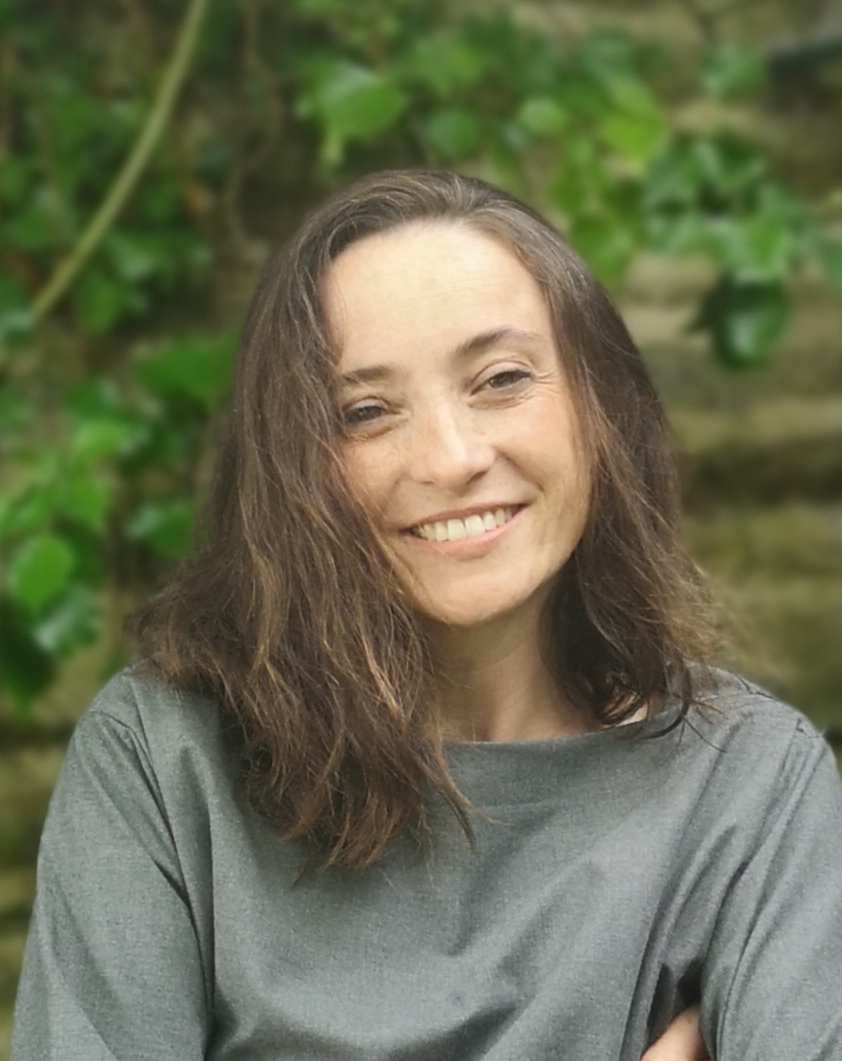
Emily Dowdeswell

Emily Dowdeswell

2nd Year PhD Student

Emily Dowdeswell is approaching the end of her first year of doctoral research at the Open University’s Faculty of Wellbeing, Education and Language Studies (WELS).

Her area of study includes the intersections between anthropology, the arts, creativity and education.

You can find out more about Emily’s research at http://wels.open.ac.uk/rumpus or on Twitter https://twitter.com/intracommons 
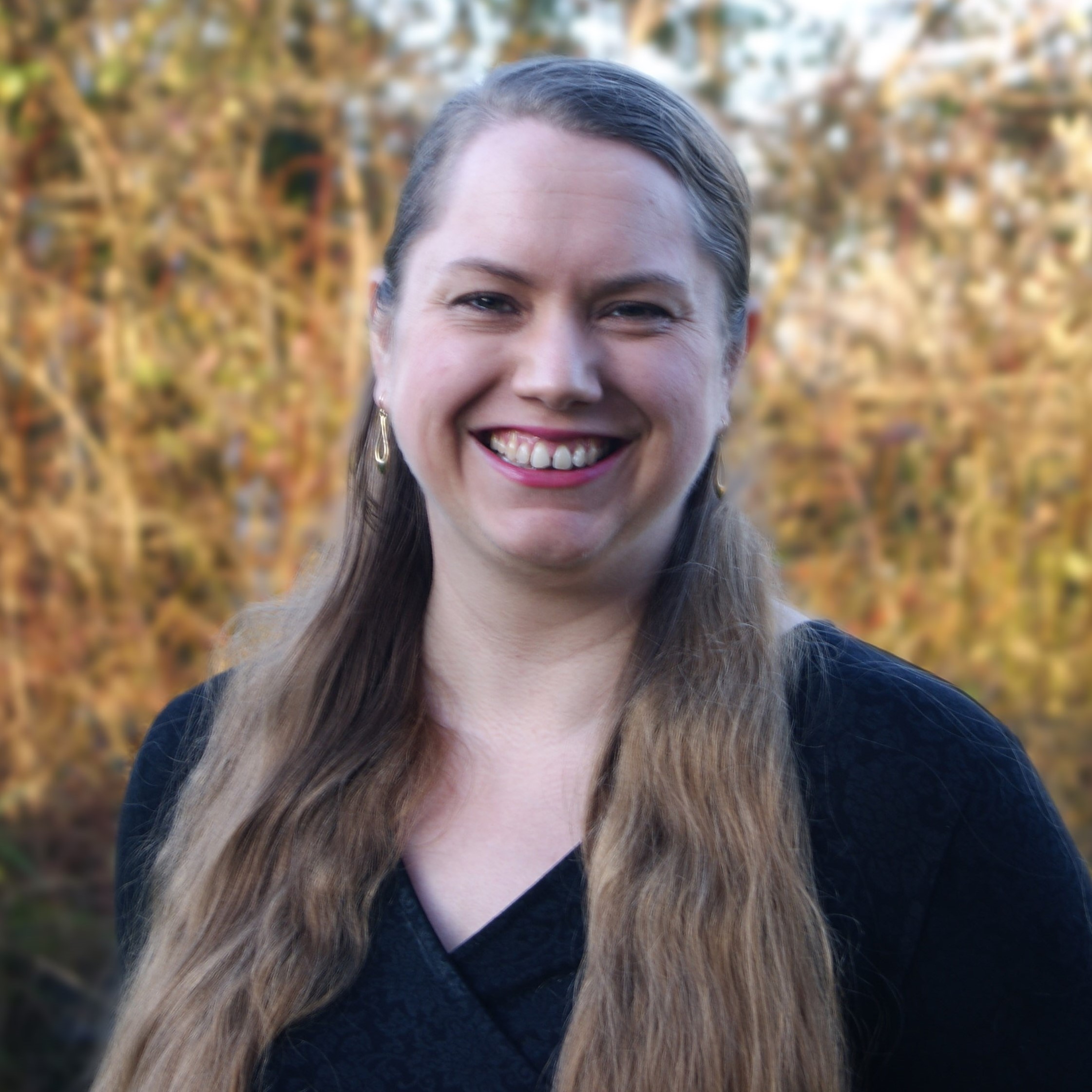
Katherine Langford

Katherine Langford

PhD student at the Open University's Faculty of Arts and Social Sciences (FASS)

Katherine Langford, BSc (Hons), MBPsS, is a third-year

Katherine Langford

part-time PhD student at the Open University's Faculty of Arts and Social Sciences (FASS). She is researching how secondary school students develop an understanding of especially tricky Physics topics including what intuitive theories, common problems, and misconceptions they have.
Orcid: https://orcid.org/0000-0003-0080-6023