Perspectives on intercultural approaches to education and social justice: impressions from an emerging researcher

Perspectives on intercultural approaches to education and social justice: impressions from an emerging researcher

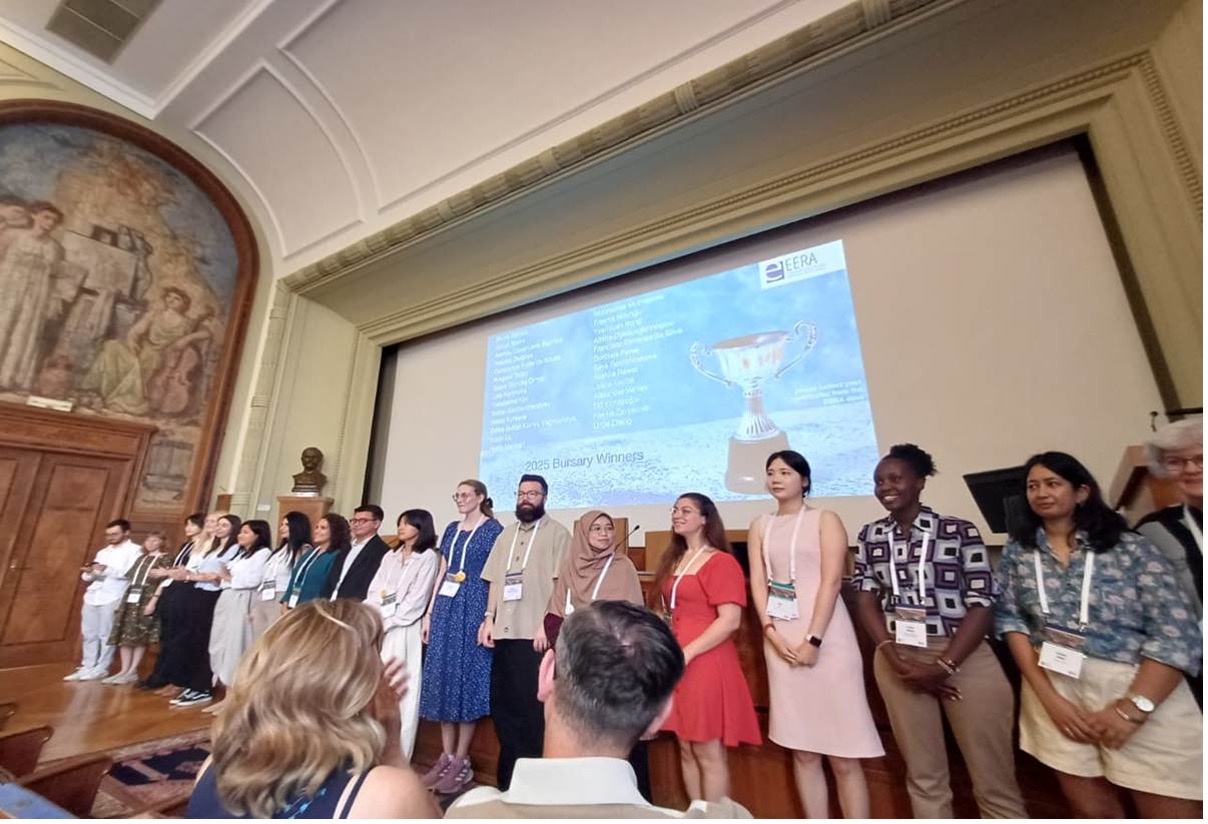
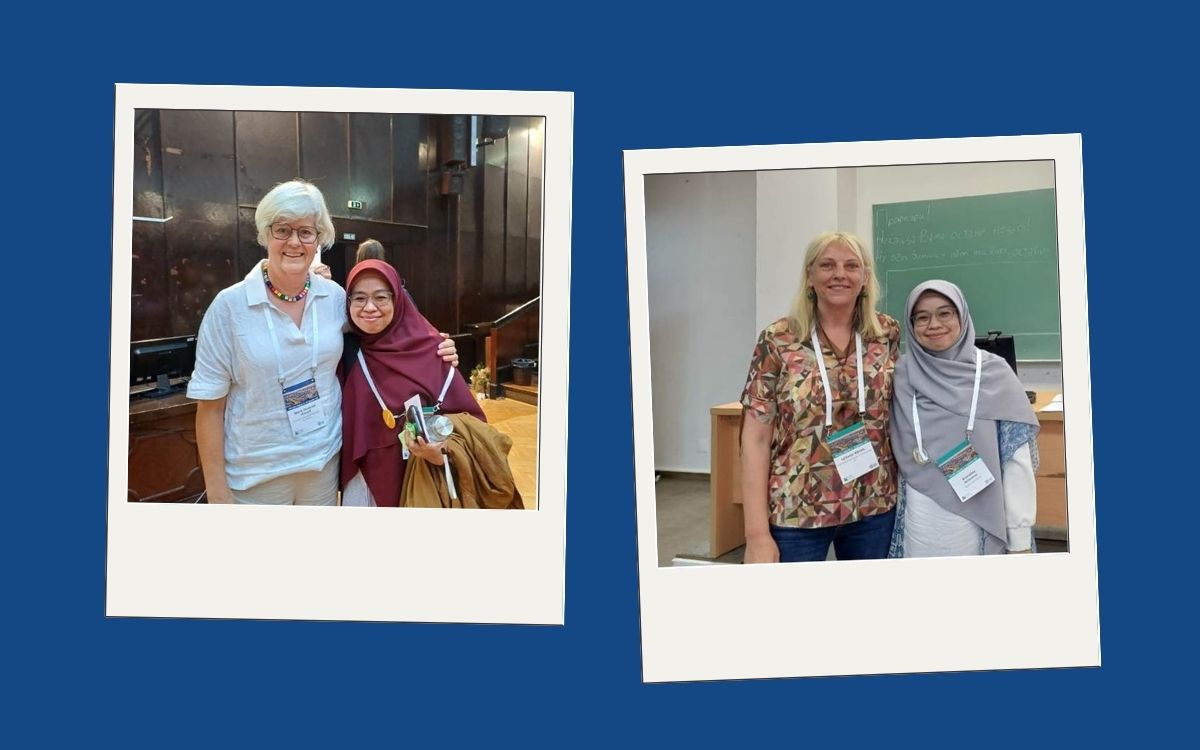
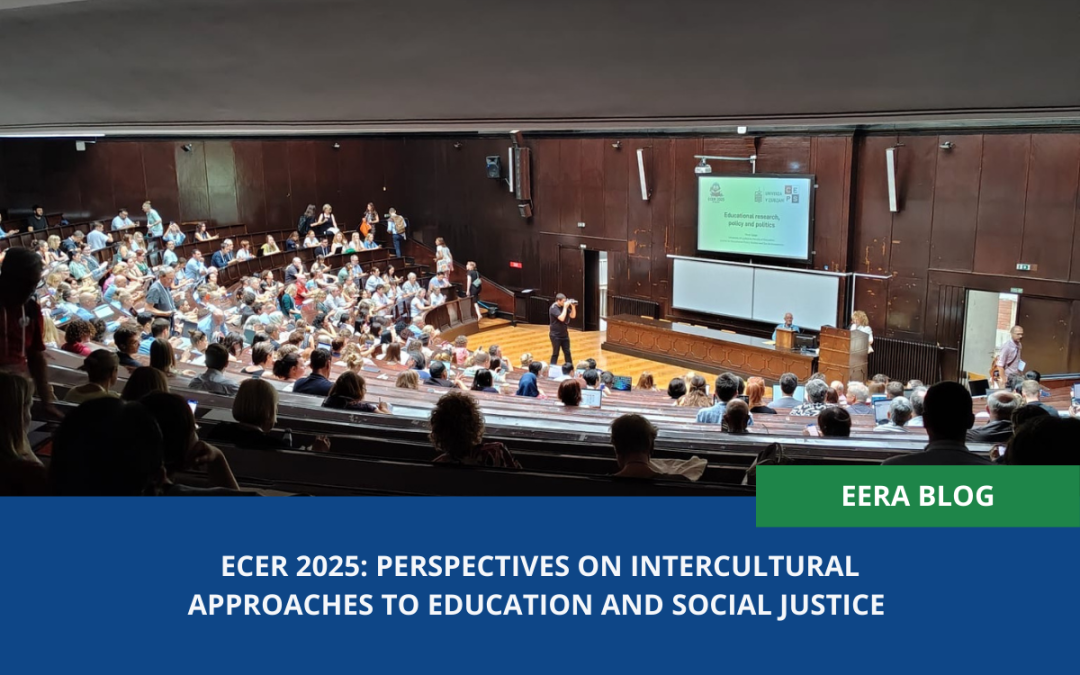
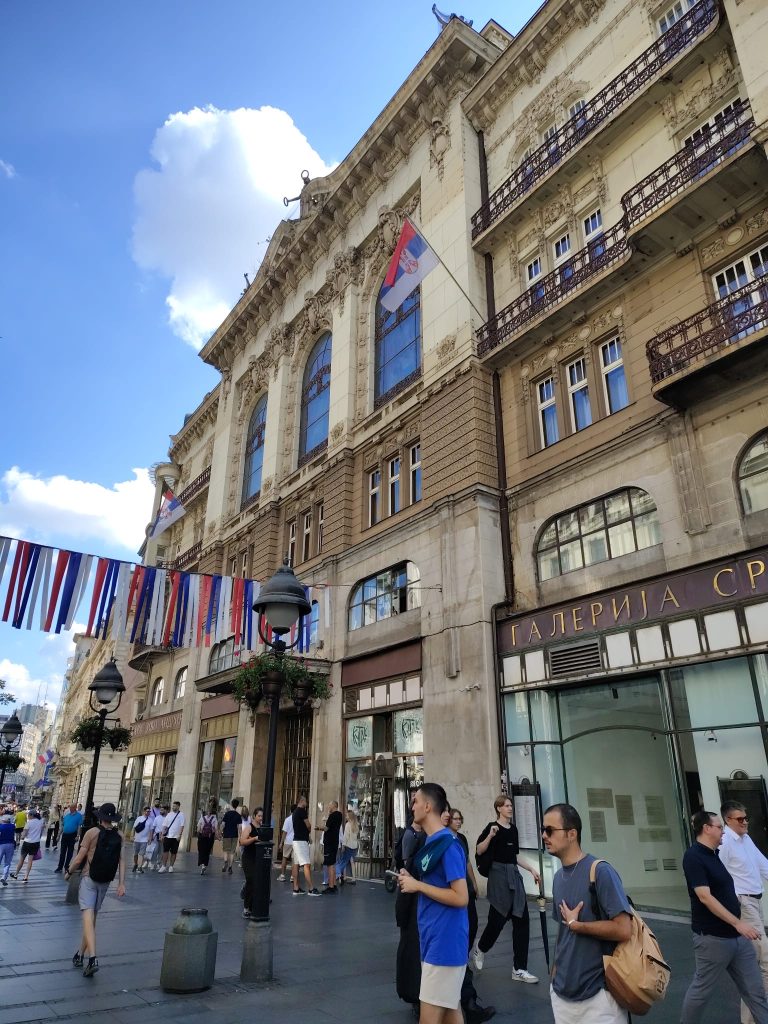
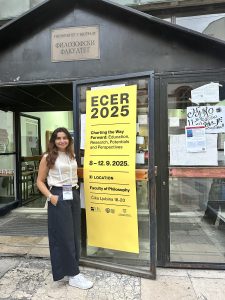
As a Ph.D. student at the beginning of my career, attending the European Conference on Educational Research in Belgrade was a valuable introduction to the global academic community. ECER was an essential opportunity for academics and emerging researchers to discuss topics at the forefront of educational research, alongside the Emerging Researchers’ Conference (ERC) that took place immediately before ECER.

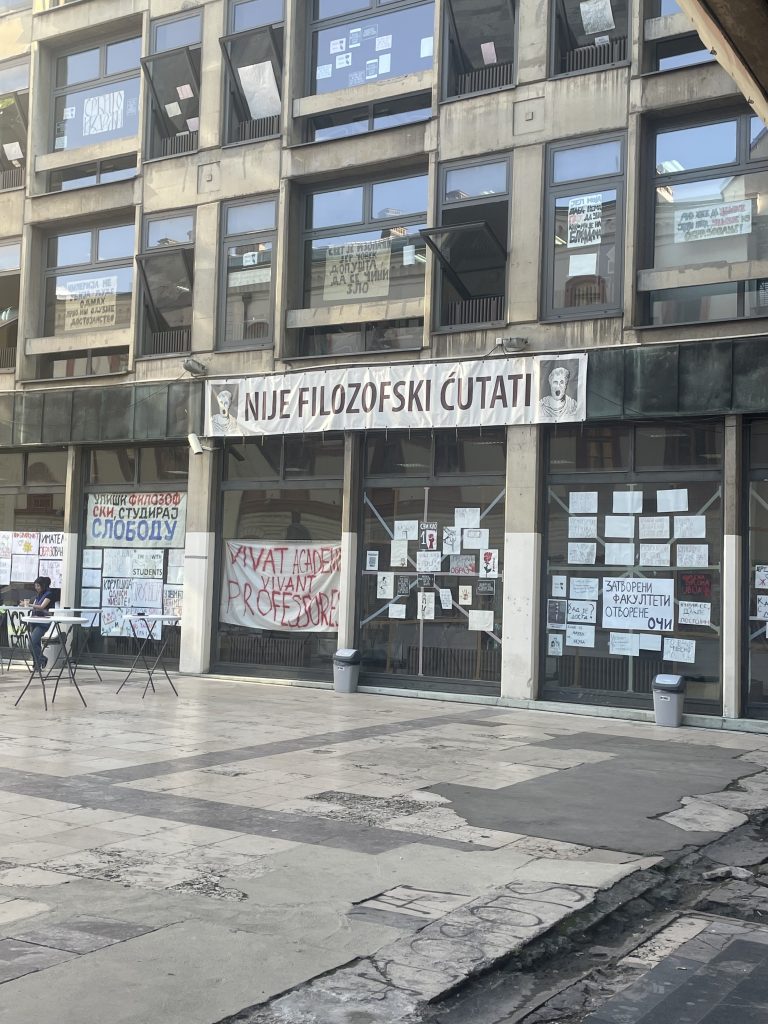
Overall, the annual event hosted 2,619 scholars, with 1,938 papers presented from 75 different countries, representing a genuinely international community and an amazing array of perspectives. This year’s conference took place amid students’ ongoing mobilisations, which have been continuing for many months already and were focused upon demanding transparency, accountability, and respect for fundamental rights whilst utilising a critical and engaged lens.

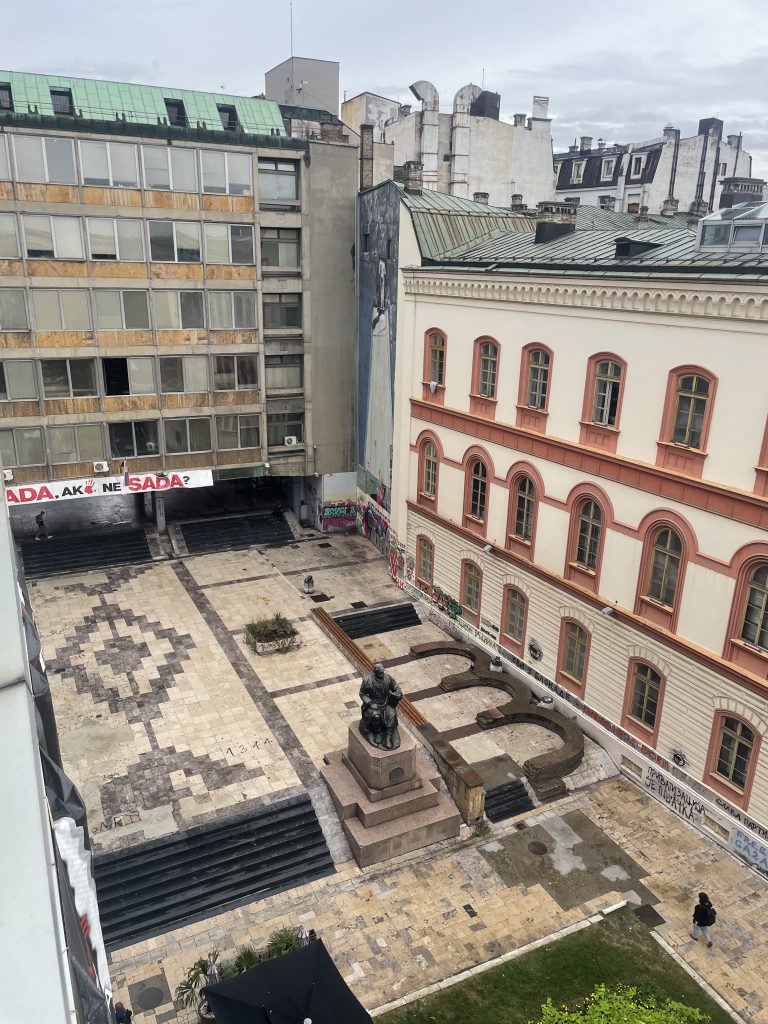
These student demonstrations and occupations hold not only an intrinsic political meaning but also an educational relevance. University public spaces have, indeed, been converted into a platform for dialogue and active and democratic participation. I was particularly caught by the slogan in Serbian language “Nije filozofski ćutati,” which stands for “it is not philosophical to be silent,” a catchphrase also quoted by Prof. Pavel Zgaga during his Keynote Speech on ‘educational research, policy and politics’.

Intercultural perspectives that emerged during ERC and ECER and how they might be useful for my educational researcher path

As a listen-only participant, I had the chance to attend several sessions on relevant topics for my research. The latter focuses on on the schooling experiences and integration processes of young people from migrant backgrounds in Italy.

Pertinent themes that emerged were related to students’ cultural and linguistic diversity, education in marginalized urban contexts, and intercultural early childhood education. Attending presentations on social justice and intercultural education – in which research results from different European contexts were highlighted – has certainly helped me broaden my perspective on various aspects of my research. I also believe it is crucial to attend sessions related to other networks to acquire fundamental notions of educational research, particularly linked to theoretical approaches and methodologies to be used. As such, I have also attended various presentations within networks 04 (Inclusive Education) and 14 (Communities, Families and Schooling in Educational Research).

The sessions I attended were marked by a positive exchange of ideas and opinions, with the purpose of finding strategies that can be implemented in educational and pedagogical practices. A feature that emerged from several presentations is that education also presents a sociopolitical dimension (Akkari & Radhouane, 2022). As part of the so-called ‘second generation of migrants in Italy’, I would even push myself to affirm that there is nothing more antithetical to education than neutrality, especially considering the subaltern position of migrant communities in Europe.

Insights from the ‘Social Justice and Intercultural Education’ Workshop

A large building with a statue in the middle of a courtyard

A key activity that has been very supportive for my first experience at an international conference on educational research is represented by the workshop “How to develop a decentralised way of doing research?” led by Professor Lisa Rosen.

A range of strategies for decentering dominant narratives and strengthening marginalised voices were mentioned. This activity, open to professionals at different stages of their careers and particularly to emerging researchers, was aimed at promoting decentralisation from exclusively Eurocentric models, creating socially and interculturally sensitive knowledge and to question our positions and prejudices as researchers.

Discussing the issue seems to me fundamental to avoid reinforcing power relations and tokenism by excluding (even inadvertently) marginalised groups. I believe that the positionality of the researcher in the areas of Social Justice and Intercultural Education could put us, as academic researchers, in a vulnerable position. As suggested during this session, it is appropriate to employ it when an analysis is implemented or an in-depth study is conducted. I would like to mention some key points on the positional statement that caught my attention and may be useful to early-career researchers:

– Be aware that identity, beliefs, and values may influence research work in different ways

– Consider biases, emotional responses, and transparency in your research efforts

– Do not ignore the relevant balances and imbalances of power, as well as the institutions involved and political implications

– Knowledge and analysis of the research context, through a critical approach, holds crucial importance

Reflections for the future

ECER provided me with an extraordinary opportunity to outline the prospects for educational research in the European context, particularly in my specific field of investigation.

My main challenge now is to build on what I have learned, the advice I have received, and the insights gained during the conference to foster dialogue with other emerging researchers and fuel gradual but steady academic growth. In a closing remark, I believe that fostering critical awareness of educational practices, promoting social purpose in research, and strengthening methodological commitment should be central to interculturalism, innovation, and social responsibility.

Key Messages

  • International conferences accelerate early-career development – ECER/ERC offer essential exposure to global educational research perspectives and networking opportunities for emerging scholars.
  • Education is inherently political, not neutral – Educational research must critically engage with power dynamics, especially when working with marginalised and migrant communities.
  • Researcher positionality shapes research quality – Awareness of your own identity, biases, and values is essential to avoid reinforcing power imbalances in intercultural research.
  • Decentre Eurocentric narratives – Decentralised research approaches that amplify marginalised voices create more socially sensitive and robust knowledge.
  • Critical awareness drives meaningful research – Combining methodological rigour with social purpose is central to impactful intercultural and social justice education research.
Charaf El Bouhali

Charaf El Bouhali

Università di Padova

Charaf El Bouhali: PhD student in Pedagogy, Education and Instructional at the University of Padua. His research focuses on the schooling experiences and integration processes of young people from migrant backgrounds in Italy.

Orcid: https://orcid.org/my-orcid?orcid=0009-0001-1663-3019 Linkedin: www.linkedin.com/in/charafel

Other blog posts on similar topics:

References and Further Reading

References and Further Reading

Akkari, A. and Radhouane, M. (2022). Intercultural Approaches to Education: From Theory to Practice, Springer, 2022. https://doi.org/10.1007/978-3-030-70825-2 

Cabiles, Bonita S. (2025). Internalised deficit perspectives: positionality in culturally responsive pedagogical frameworks.Pedagogy, Culture & Society, 33(4), 1129-1146 https://doi.org/10.1080/14681366.2024.2326004 

Conti, L. (2025). Intercultural education: recalibrating meanings, objectives, and practices. Intercultural Education, 36(4), 418–436. 

https://doi.org/10.1080/14675986.2025.2484514 

O’Neil, D. (2025). Complicated shadow: a discussion of positionality within educational research. Oxford Review of Education, 51(4), 579-594. https://doi.org/10.1080/03054985.2024.2351445

Reflections on teacher protest in Serbia — When educational change becomes political

Reflections on teacher protest in Serbia — When educational change becomes political

Across different parts of the world, the start of the school year has often been marked by teachers taking to the streets. In 2024, educators in Spain demanded smaller class sizes and less administrative burden; in Greece, they opposed the merging of schools; and in Italy, they rose up for fair pay and job security [1].

At the start of the 2024/25 school year, the same was true in Serbia. Teachers once again protested, calling for better working conditions in education. But then something shifted: what began as professional demands grew into calls for broader social change.

This is the story of that school year in Serbia, told by us—a group of schoolteachers and university professors engaged in teacher education—drawn from our shared experiences and reflections. Above all, it is the story of how the teachers’ rebellion in Serbia was forged.

Where do we begin?

Even though the roots of this education crisis run deep, shaped by decades of policy decisions and systemic neglect, in recent years, the devaluation of the teaching profession in Serbia has become painfully evident. One of the turning points came in 2014, when a hiring freeze was introduced as a cost-saving measure. As a result, today, one in four teachers works under a fixed-term contract [2]. Additionally, half of all teachers do not have a full-time workload at a single school, piecing together hours across multiple schools—often still falling short of a full teaching schedule [3].

Even those with full-time positions earn, on average, about 12% below the national salary average, despite being among the 16.4% of Serbia’s population with the highest level of education [4]. In comparison with their counterparts elsewhere in Europe [5] and the region[6], this disparity becomes even more pronounced. While teachers in Romania and Hungary earn 10–30% above their respective national averages, those in Albania, Bosnia and Herzegovina, and Bulgaria earn roughly in line with national averages.

Even though the roots of this crisis lie in long-standing decisions by education policymakers and decades of neglect toward problems in the education system.

This financial insecurity is not only a personal burden—it is eroding the profession itself. Interest in teacher education programs is declining [7], threatening the future availability of qualified teaching staff. Shortages are already evident in high-demand subjects such as mathematics, computer science, physics, English, and German [8] —fields that typically lead to better-paying jobs outside the education sector. It hardly needs to be emphasized how devastating this trend could be for the quality of education in Serbia.

Yet these conditions shape and constrain the role of teachers as agents of change, not only within education but also in society. Fixed-term contracts and fragmented workloads foster dependency and insecurity, limiting teachers’ capacity to speak out, organize collectively, or cultivate a sense of community. In this way, economic insecurity functions as a mechanism that silences their voices.

Negotiations to improve teachers’ financial situation began in December 2022, between union representatives and officials from the Ministry of Education and the Government. In October 2023, an agreement was signed, committing state institutions to align teachers’ salaries with the national average by January 2025. But when 2024’s financial plans failed to support these promises, teachers took to the streets. A large warning protest on September 16, 2024, was ignored, and in November, teachers went on strike following a union call. The government responded that the agreement could not be fulfilled in 2025 “due to limited funds and no possibility of securing more.” [9]

The next trigger came when the union agreed to terms set by the Ministry that teachers considered humiliating. The proposed salary increase was minimal, keeping wages below the agreed level. The agreement also tied the distribution of budget funds to union membership, favoring certain unions that teachers saw as aligned with the Ministry in attempting to quell protests. As trust in the unions eroded, teachers began organizing into informal associations.


In the meantime … 

Meanwhile, a wave of student protests was triggered by a national tragedy that shook the country. On November 1, at the recently renovated train station in Novi Sad—officially reopened just months earlier in July 2024—a concrete canopy collapsed, instantly killing 14 people and seriously injuring three more, two of whom later died.

On November 22, students from the Faculty of Dramatic Arts in Belgrade (FDA) organized a silent vigil at a nearby intersection—fifteen minutes of silence, one for each victim. Their peaceful act was violently interrupted by a group, later revealed to be members of the ruling party, including some local officials, who attacked several students, resulting in some being hospitalized. In response, FDA students occupied their faculty, and by December 1, other faculties had joined the action.

The students issued four demands [10], calling primarily for the prosecution of those responsible for both the canopy collapse and the attacks on protesters, as well as for transparency in the work of government institutions. They made it clear: these demands must be met for the occupation to end. As the government continued to avoid meeting the students’ demands, the protests intensified—growing in scale.

Embracing student demands

The student and teacher protests in Serbia were far from coincidental. Both movements were fueled by a shared call for accountability in a system long accustomed to turning a blind eye to corruption and public neglect. Teachers quickly recognized the legitimacy of the students’ demands: “The demands students presented to the state were written in a universal language—the desire to establish the rule of law and the principle of accountability. That’s why schools quickly adopted these demands as their own and followed their lead,” recalled one high school principal. For educators, this resonance was immediate – they themselves navigated a system marked by institutional dysfunction, the sidelining of expertise in favor of party loyalty, and pressures from unauthorized actors intruding on professional decisions—from hiring teachers and selecting principals to allocating budgets for school repairs.

A key moment in this alignment came through a direct appeal from former pupils—now university students—who were participating in the blockades. These students reached out to their high school teachers, who had shaped them, reminding them of the values once promoted in the classroom: that education is not merely about grades or diplomas, but about justice, civic responsibility, and ethical engagement. One high school principal described the moment:

“Students organized letters of support to the schools they had attended. In our case, 725 former pupils, now university students, signed. The letter was delivered at the school in front of all staff and around 150–200 alumni. The emotion during that encounter was incredible—a corridor of former pupils welcomed the teachers with thunderous applause.”

Not long after, current high school students—starting with seniors—joined the blockades to stand with their university peers. Faced with a choice between supporting their current and former students in what was widely seen as a just cause, or aligning with a Ministry that, in the words of one principal, had “reduced itself to an instrument of repression and obedience to a hybrid regime with ties to criminal circles,” many teachers found their decision clear. They were moved not only by the cause itself but also by the attacks on protesting students, who had been publicly humiliated by government officials and even physically assaulted, with some run over by a car [11].

The decision to join was also encouraged by the support of fellow teachers—from the same school or others, from different levels of education. They motivated and supported one another, aware that they all contributed to educating young people, and with a renewed sense that their work had meaning. At the same time, they recognized that education cannot be meaningful if it ignores the social context. In this process, the boundaries between the strictly professional and the broader civic roles of teachers blurred. No theory claiming that education is a social and contextual activity could have had the impact that this real-life professional and societal context did.

Teachers acting as agents of social change

By mid-December, the teachers’ protest had become part of a broader civic movement calling for reform not only in education but across society. In this phase, the protest moved beyond the legal framework of a strike—which requires educators to maintain a minimum level of instruction—and took the form of civil disobedience, involving partial or complete suspension of classes. Yet the suspension of teaching did not mean inactivity. Instead, a new space for learning and critical engagement emerged, as one high school principal described it:

“During the months of the work stoppage, incredible forms of alternative, non-institutional teaching practices emerged—akin to lifelong learning—through the synergy of pupils, parents, teachers, and the local community. A vibrant, intellectual atmosphere brought about a whole series of exceptional ideas for how the school could be enriched in the future. Plenums [12] proposed speakers and topics, and decisions were made through voting. Film nights, quizzes, tournaments, poetry festivals were organized… The school lived an alternative life, which deeply influenced pupils and teachers in terms of enriching their practice going forward.”

As the protest grew, teachers’ actions were increasingly perceived as efforts not only to secure better conditions within schools but also to foster a better society. Stepping outside legal framework and defying Ministry pressure, educators risked salaries and even their jobs. Their courage inspired public sympathy and wider community involvement. Parents of younger pupils organized daily activities for children while teachers were on strike. Citizens gathered outside schools visited by educational inspectors seeking to halt the work stoppage. When the Ministry docked teachers’ pay, the IT community and an education-focused foundation provided a transparent system for citizens to donate directly—raising over 228 million RSD (roughly 2 million EUR) for educators affected by the stoppage.

Another significant form of protest came through mass withdrawals from representative teacher unions. Educators sought to demonstrate that union agreements no longer reflected the will of the teaching community and to prevent union representatives from speaking on their behalf in negotiations. As trust in unions eroded, most protest activities were organized autonomously by teachers themselves—through schools and informal associations that had formed or strengthened during this time. Crucially, this period saw coordination across all levels of education, from preschools to universities, as teachers collaborated to resist Ministry pressure and support one another.

The next phase unfolded after March 15, following a large demonstration in Belgrade. Despite high public expectations, the government made no meaningful progress toward meeting the students’ demands. Instead, officials intensified media campaigns and increased pressure on teachers participating in the work stoppage. As the school year progressed and the authorities’ inaction became evident, concern for students’ education led many schools and teachers to gradually resume regular teaching. Returning to the classroom was emotionally difficult for some educators, who feared they might have weakened student protests or betrayed the expectations of former pupils. Isolation returned as they reentered the classrooms, leaving teachers more vulnerable to manipulation within a centralized system. The question then became: how could the protest continue once the classrooms reopened?

Returning to teaching was followed by disciplinary measures against striking educators, including threats, dismissals, and, in many cases, the termination of fixed-term contracts over the summer. Some school principals were removed, and school boards dissolved, particularly where entire staffs had participated. During this time, education workers, pupils, university students, and other citizens held daily protests in solidarity with teachers facing job loss. Since disciplinary measures were initiated simultaneously across schools in Serbia, public support had to be spread thin, making these protests mostly small and limiting their ability to exert real pressure.

At the end of the school year, teachers became bogged down in a debate about whether all pupils should be given top marks to demonstrate that grades are meaningless in a system that does not respect knowledge—or whether grading should be boycotted entirely to paralyze the system and pressure the government to meet its obligations. Some teachers turned their attention toward reclaiming the unions, while others focused on strengthening non-union voices of education workers. At the beginning of the new school year, there is no clear call to action, and it remains uncertain who holds the legitimacy to issue one.

Where this leaves the teachers’ rebellion is unclear. Yet despite uncertainty, one thing remains undeniable: across Serbia, in front of schools and within them, the resistance still simmers.

Final refections — Teachers as agents of sociology(-political) change

This is not a story only about Serbia. Across diverse educational systems, a persistent tension can be observed: the gap between how teachers are celebrated in scholarly literature and what regulations actually allow them to do. Scholars often cast teachers as agents of social change, shaping not just the minds of their students but also the communities in which they live and work.

Yet in practice, rules in many countries enforce a principle of neutrality within schools, constraining the ways educators can step into public life. Herein lies the core dilemma: if education is profoundly political—through curriculum choices, enrollment policies, hiring decisions, allocation of funding—can, or should, teachers remain politically neutral?

This question is no longer theoretical. It is lived every day—in classrooms, in school hallways, and on the streets. The stakes are real—for those who stay silent and for those who raise their voices, for their students, their profession, and the society they serve. Perhaps the most urgent task now is to pose this question aloud: to examine how existing regulations constrain teachers, limiting their power to act within and beyond the classroom, and to confront the broader consequences of a system that treats teaching as if it could ever be a non-political act.

This article is a shortened, adapted, and updated version of the paper “Wie wir die Rebellion aufgebaut haben: Eine Fallstudie zu den Lehrer:innenprotesten in Serbien,” originally published in German in the journal Schulheft.

Olja Jovanović

Olja Jovanović

Assistant Professor, University of Belgrade

Olja Jovanović is an Assistant Professor of Educational Psychology at the University of Belgrade, working at the Center for Teacher Education and the Department of Psychology. With experience across schools, NGOs, international organizations, and higher education, her research focuses on processes of marginalisation of children and young people in educational contexts, with particular attention to the role of teachers as agents of social change.

Katarina Mićić

Katarina Mićić

Assistant Professor, University of Belgrade

Katarina Mićić is an Assistant Professor at the University of Belgrade, working at the Center for Teacher Education and the Department of Psychology. Her research focuses on equity and inclusion in education, teacher education, and students’ motivation to learn. She is engaged in reform initiatives aimed at improving inclusive education and developing data-informed educational policies. She is committed to ensuring that academic knowledge and research findings serve the community, particularly schools.

Lidija Radulović

Lidija Radulović

Associate Professor, University of Belgrade

Lidija Radulović is an Associate Professor at the University of Belgrade, Centre for Teacher Education and the Department of Pedagogy, with more than 35 years of teaching and research experience. She is involved in the development and implementation of teacher education programmes. Her research focuses on the teaching profession and teacher education.

Bojan Vučković

Bojan Vučković

Principle, XIII Belgrade Gymnasium

Bojan Vučković has served as the principal of the XIII Belgrade Gymnasium since 2004. He graduated in 1990 from the Faculty of Philosophy at the University of Belgrade, majoring in History. From 1990 to 2004, he worked in several primary and secondary vocational schools, and since 1993 he has been teaching history at the XIII Belgrade Gymnasium. From 2000 to 2004, he was co-president of the Association for Social History “Euroclio,” whose activities are primarily oriented toward secondary education.

Aleksandar Tadić

Aleksandar Tadić

Associate Professor, University of Belgrade

Aleksandar Tadić is an Associate Professor of General Pedagogy, Contemporary Pedagogical Theories, and Education System at the University of Belgrade, working at the Department for Pedagogy and Andragogy. With experience across schools and higher education, his research focuses on contemporary educational theory, pedagogy of autonomy, classroom discipline, initial pedagogical education of teachers and educational policies.

Ljiljana Rajčić

Ljiljana Rajčić

Teacher, Ivo Andrić Primary School, Belgrade

Ljiljana Rajčić holds a diploma in mathematics. Since 2001, she has been working at the Primary School “Ivo Andrić” in Belgrade as a teacher of mathematics and informatics. She sees her mission in motivating students to independently seek answers and to recognize knowledge as an invaluable asset that shapes their future.

Other blog posts on similar topics:

References and Further Reading

[1] Workers Struggles: Europe, Middle East & Africa https://www.wsws.org/en/articles/2024/09/05/xprs-s05.html

[2] https://opendata.mpn.gov.rs/otvoreni-podaci 

[3] Data requested and received from the Ministry of Education 

[4] https://publikacije.stat.gov.rs/G2025/Pdf/G202517018.pdf 

[5] https://eurydice.eacea.ec.europa.eu/data-and-visuals/teachers-statutory-salaries#tab-1

[6] https://demostat.rs/sr/vesti/analize/kolike-su-plate-nastavnika-u-susednim-zemljama/2140

[7] University of Belgrade data.

[8]  Data requested and received from the Ministry of Education.

[9] https://www.danas.rs/vesti/drustvo/vlada-pozvala-sindikate-obrazovanje-i-predskolstva-na-sastanak 

[10] The initial students’ demands can be found here: https://podrzistudente.org/?lang=en 

[11] https://www.youtube.com/watch?v=xHlTI-fS9Oc&ab_channel=InsajderVideo  

[12] Plenums were the main means of decision making during the protests. A plenum is a general assembly open to all members of a group or community, where everyone has an equal right to speak, propose, and decide, typically functioning on principles of direct democracy and consensus. 

Conferences as catalysts for researcher development: Lessons from Post-Soviet contexts and reflections from ECER

Conferences as catalysts for researcher development: Lessons from Post-Soviet contexts and reflections from ECER

What does it truly mean to attend a conference? Is it merely about collecting certificates and adding lines to a CV, or does it represent a deeper professional journey? My experience at European Conference for Educational Research (ECER) and several other conferences I have attended since beginning my PhD in the United Kingdom have helped me answer these questions and reflect on the challenges faced by researchers in post-Soviet contexts.

Two journeys, two systems

When I first arrived in the UK to begin my PhD, I carried with me a clear formula for academic success: academic achievement = conferences + publications. That belief originated from my first PhD experience in Azerbaijan, where the rules were explicit, three conferences (one international) and five articles, or no degree. While there was comfort in that structure, it also brought pressure. Conferences were obligations, not opportunities.

Interestingly, my supervisors in the UK encouraged a different approach: “One meaningful conference is better than five rushed ones.” Initially, this lack of rigid targets and checklists left me uncertain about how to measure progress. However, over time, I came to understand the depth of their advice.

Predatory publishing and Soviet legacies

Recent scholarship on post-Soviet academic systems highlights the persistence of Soviet-era evaluation practices that prioritise quantitative output over research quality (Chankseliani, Lovakov & Pislyakov, 2021). This study examines how such legacies shape publishing behaviours and contribute to the growth of predatory publishing in post-Soviet educational research. How many conferences? How many articles? How many citations? This system rewards quantity rather than quality, perpetuating a cycle of superficial productivity.

Predatory publishers – organisations that charge fees for publishing work without proper peer review – and “fast-track” conferences thrive under such conditions. In Azerbaijan, Kazakhstan, Uzbekistan, and beyond, early-career researchers are often lured into prestigious-sounding “Global Innovations in Science” events hosted in Paris or Dubai, high fees, impressive certificates, but minimal academic substance (Hajiyeva, 2023). The pursuit of legitimacy can make researchers vulnerable to academic exploitation.

Scholars such as Kulczycki (2017) and Chankseliani et al. (2021) have demonstrated that bibliometric inflation is widespread across the region. Academic worth is frequently reduced to numbers, a lingering legacy of Soviet-era evaluation frameworks, where scientific labour was planned, counted, and reported for administrative purposes rather than genuine inquiry. Although policy language has evolved, institutional cultures often remain unchanged. Weak research infrastructure, limited funding, insufficient training in empirical methods, and minimal collaboration all contribute to a cycle of formality without substantive innovation (Kuzhabekova & Mukhamejanova, 2017; Ruziev & Mamasolieva, 2022).

Insights from ECER

Unlike the so-called “international” conferences I had previously encountered, often held in tourist capitals with grand titles but little academic value, ECER offered a genuine academic community. My presentation was peer-reviewed, the audience posed thoughtful questions, and the true value lay in the scholarly exchange rather than the certificate.

One notable aspect I observed, rarely discussed openly before, was the element of care. ECER made deliberate efforts to support researchers with children. Although childcare remained costly compared to my experience at the ESA 2024 conference in Porto, the recognition of this issue was an important step. Inclusion, I realised, is not merely a research topic; it must also be a lived academic practice.

Through these experiences, I learned that conference participation should not be treated as a numerical pursuit. It is a long-term dialogue, a slow process of building academic identity. Attending one or two high-quality conferences per year, combined with collaborative projects and research visits, can be far more valuable than accumulating numerous certificates.

My advice to early-career researchers, particularly those from post-Soviet contexts, is this: do not chase appearances, seek scholarly communities.

Conclusion

To truly support researcher development, academic systems should:

  • Shift evaluation criteria from quantity to depth.
  • Reward collaboration and intellectual contribution, not mere output.
  • Strengthen research literacy to resist predatory academic practices.

Until academic value is redefined in this way, research systems will continue to produce numbers instead of knowledge.

Conferences, when grounded in genuine scholarly exchange rather than numeric performance indicators, can serve as spaces of both personal and systemic transformation. For post-Soviet researchers, embracing this perspective may be crucial in redefining academic success and fostering authentic research cultures.

Key Messages

  • Conference participation is not just about certificates or CV lines—it is a meaningful journey of professional and personal growth.
  • Academic systems in post-Soviet countries often prioritise quantity over quality, which can lead to superficial productivity and vulnerability to predatory publishing and conferences.
  • Genuine scholarly communities, such as those fostered at ECER, offer opportunities for peer review, intellectual exchange, and inclusion—far beyond what “fast-track” conferences provide.
  • Researcher development benefits most from attending a few high-quality conferences, engaging in collaborative projects, and building authentic academic networks, rather than chasing appearances or numbers.
Turan Abdullayeva

Turan Abdullayeva

University of Sheffield

Turana Abdullayeva is a PhD researcher in Education at the University of Sheffield and an Associate Fellow of the Higher Education Academy (AFHEA). Her research focuses on inclusive education, decolonial disability studies, and teacher education in post-Soviet contexts, with a particular emphasis on Azerbaijan.

Alongside her doctoral work, Turana teaches and supervises postgraduate students, contributes to international research projects on accessibility and anti-ableist research cultures, and works in student support and inclusion. She has published in leading international journals, including Disability & Society and the International Journal of Inclusive Education, and regularly writes reflective blog posts on academia, access, and belonging.

Linkedn: www.linkedin.com/in/dr-turana-abdullayeva-9456961a1

Facebook: https://www.facebook.com/turush.abdullayeva

Other blog posts on similar topics:

References and Further Reading

Chankseliani, M., Lovakov, A., & Pislyakov, V. (2021). A big picture: bibliometric study of academic publications from post-Soviet countries. Scientometrics, 126(10), 8701-8730. https://www.researchgate.net/publication/353979277_A_big_picture_bibliometric_study_of_academic_publications_from_post-Soviet_countries  

Hajiyeva, N. U. (2025, August 31). Facebook post. Retrieved September 15, 2025, from https://www.facebook.com/share/p/1AAbrdwv68/?mibextid=wwXIfr

Kosaretsky, S., Mikayilova, U. And Ivanov, I. (2024). Soviet, Global and Local: Inclusion Policies in School Education in Azerbaijan And Russia. Revista Brasileira de Educação Especial, 30, p.e0103. https://www.researchgate.net/publication/384702057_Soviet_Global_and_Local_inclusion_Policies_in_School_education_in_Azerbaijan_and_Russia

Kulczycki, E. (2017). Assessing publications through a bibliometric indicator: The case of comprehensive evaluation of scientific units in Poland. Research Evaluation, 26(1), 41–52. https://doi.org/10.1093/reseval/rvw023

Kuzhabekova, A., & Mukhamejanova, D. (2017). Productive researchers in countries with limited research capacity: Researchers as agents in post-Soviet Kazakhstan. Studies in Graduate and Postdoctoral Education, 8(1), 30-47. https://doi.org/10.1108/SGPE-08-2016-0018

Mamerkhanova, Z., Sakayeva, A., Akhmetkarimova, K., Assakayeva, D., & Bobrova, V. (2025). Development of inclusive education in the Republic of Kazakhstan: An inside view (case of the Karaganda region). Frontiers in Education, 10, 1630225. https://doi.org/10.3389/feduc.2025.1630225

Ruziev, K., & Mamasolieva, M. (2022). Building university research capacity in Uzbekistan. In Building research capacity at universities: Insights from post-soviet countries (pp. 285-303). Cham: Springer International Publishing. https://link.springer.com/chapter/10.1007/978-3-031-12141-8_15 

Transformative learning in educational sustainability as collective resilience and resistance

Transformative learning in educational sustainability as collective resilience and resistance

Over the last two years, I have been conducting research on how doctoral students experience transformative learning in an educational sustainability program. We define transformative learning as a process that engages the head, heart, and hands in critical reflection, values introspection, social engagement, and empowerment towards sustainability (Grund et al., 2024; Papastamatis and Panitsides, 2014; Sipos et al., 2008). The transformative learning journey is not a straight line, rather it is dynamic, fluid, adaptive, and recursive in nature, allowing each learner to experience it differently (Boström et al., 2018; Grund et al., 2024; Rodríguez Aboytes and Barth, 2020). We argue that although a transformative moment can occur within an individual, transformative learning is a social and collaborative process.

I am the director of the educational sustainability program and an associate professor, teaching many courses within the program. I have loved learning from students on how, to what extent, and when they experience transformative learning, but the process is mutual. As much as the students have been transformed, so have I. Over the last year, the attacks on sustainability have changed these relationships and created a different type of transformative learning, one that feels like collective resistance. The emotional trauma of seeing these attacks has led to a deeper kinship, one that binds us together through this struggle and collective desire to build a safe space for all.

Sustainability education in a hostile political environment

I define sustainability as the morally courageous pursuit of a just, inclusive, and equitable future where humans and the environment can thrive. However, this pursuit can come with fatigue and advocating for change is not without struggle. As change agents, we take on those struggles in the hope of moving forward in a different way—one that reflects justice and equity. We learn from the past and challenge White Supremacy culture and systems of domination. We see the interdependence of environmental and human health and treat the environment as a stakeholder in our decision-making.

On the morning of November 5th, 2024, I woke to a Trump victory, which all but sealed the destruction of equity and inclusivity movements in U.S. higher education institutions. The topics that lay the foundation of sustainability education—social justice, ecological health, cultural inclusivity, and equitable access to resources—all lay on the chopping board. I felt like I couldn’t breathe, couldn’t move, the weight of what this means to me, to my students, barreled down on me. I was teaching a class entitled, “Social Justice for a Sustainable Society,” and my students were preparing case studies on reparative futures (Sriprakash et al., 2020); but how was I supposed to show up for this authentically, knowing the just futures they were imagining will be under attack for at least the next four years?

I did show up for my classes and for my students, but it was different. In some cases, I cried with my students, in others, I urged them to keep going, to not let this hostile political environment silence them and their achievements. I fiercely defended this program as a safe space for all, especially in this time of difficulty. My job changed, my relationship with my students changed. Working together through our pain and vulnerability, we found a collective strength and supported each other in a way that increased our resilience to do the work of sustainability.

Building strength through vulnerability

One of the features of our program that builds relationships, and collective learning is the one-week, in-person residency that is required every summer for three years. The educational sustainability doctoral program is online, except for this yearly residency. The residency is frequently mentioned by our students as one of the most transformative experiences in the program. This year (June 2025), I took a different approach to planning the residency. Rather than bringing computers and learning about sustainability competencies and research methods, we focused on the heart and hands parts of transformative learning (Sipos et al., 2008) and the social and emotional connections between each other (Papastamatis and Panitsides, 2014).

I planned activities for us that would require leaving our devices behind and connecting with nature and each other, like canyoning (repelling down waterfalls). The canyoning experience, in many ways, mirrored the transformative learning design of the program—it required collaboration, had moments of difficulty, struggle, and vulnerability, and concluded with a sense of collective strength, resilience, and empowerment.

The students similarly reflected on how canyoning was transformative and created a unique bond through vulnerability and trust. One student wrote about the canyoning experience:

Everyone that participated in that experience was truly vulnerable and also supportive of each other. We had to let our guards down to focus on completing the journey down the canyon and leaned on each other to do so. That required a significant amount of trust and literal handholding.

In the end, we were closer with our peers after the canyoning experience

Another student reflected on the emotional safety created through this experience:

One particularly memorable experience that fostered the community was the canyoneering trip, where we rappelled down an 80-foot waterfall.

Supporting each other through adrenaline (and fear) led us to encouragement and emotional safety.

Yet another student reflected on the emotional support and kinship that this experience fostered:

The descent through all the waterfalls was not only physically grueling, but emotionally intense. What surprised me, however, was the way my peers checked in with me—offering emotional support and words of affirmation without judgment. In that moment, I felt seen and held. There was a sense of mutual care that went beyond casual classmate interaction and moved toward a deeper kind of kinship.

The fact that I faced my fear, endured the pain, and still came away feeling proud says a lot about the strength and healing I’ve cultivated.

The canyoning experience pushed many people’s physical and emotional limits, but together we were strong, resilient, and could tackle anything put in our path. The canyoning became an analogy for our relationships in this program and our pursuit of sustainability.

We may feel fear, face struggles, even trauma, but through vulnerability, trust, and support, together, we can persist.

This one experience is not the full story, but it does provide a glimpse into the shared experience of striving and struggling for sustainability in a time of difficulty and finding that together we are more resilient. It also opens the conversation for viewing transformative learning as a physical and emotional endeavor, rather than primarily cognitive.

I started 2025 full of fear and sadness. I came to my classes with that vulnerability—with tears and at a loss for any answers or solutions to the hardships we are facing. My students held my hand as much as I held theirs. The determination that I feel today to use everything I have to uplift their voices and ensure that they have this program as a space for healing, hope, and emotional safety is more steadfast than ever. I am transformed by the strength I see in our collective capacity.

Transformative learning as a form of collective resistance

Transformative learning is a recursive and co-generated process. Educators must be willing to be vulnerable, open, and receptive to growth and change. In this way, we are not experts disseminating knowledge; instead, we are learning alongside our students and growing because of them. Also, sometimes in advocating for sustainability, we need to take time away from writing, reading, and presenting to build our resilience as change agents with our community.  

I feel more engaged and enraged to fight for a sustainable future today than I have ever felt in the past. Holding this space where we could be vulnerable, created emotional safety, and from that space of safety and support, I can continue to fight and advocate for a more just future.

ECER 2025 – Presentation

To learn more about the educational sustainability students and their perspectives on transformative learning, please attend our presentation at ECER:

“Multi-year study on Students’ Transformative Learning Journey through an Educational Sustainability Doctoral Program”
Session Number: 30 SES 02 B
Session Title: 30 SES 02 B: Education and Transformation
Session Location: University of Belgrade, room tbc
Session Time: 09/Sept/2025, 15:15 – 16:45

Dr. Erin Redman

Dr. Erin Redman

University of Wisconsin-Stevens Point, USA.

Erin Redman is the program director and associate professor of Educational Sustainability in the School of Education at University of Wisconsin-Stevens Point. Prof. Redman comes to UWSP from Leuphana University of Luneburg (Germany) where she has been a research associate and program lead on an international sustainability education collaboration for the Global Consortium of Sustainability Outcomes (GCSO). Prior to joining Leuphana, Prof. Redman created and led the Sustainability Teachers’ Academy, a professional development program for in-service teachers from all over the United States. She was also a faculty member at the National University of Mexico (UNAM), where she integrated sustainability throughout their undergraduate programs as well as designed a stand-alone sustainability undergraduate program. https://www.uwsp.edu/directory/profile/erin-redman/

ECER Belgrade 2025

Since the first ECER in 1992, the conference has grown into one of the largest annual educational research conferences in Europe. In 2025, the EERA family heads to Serbia for ECER and ERC.

08 - 09 September 2025 - Emerging Researchers' Conference
09 - 12 September 2025 - European Conference on Educational Research

Find out about fees and registration here.

Since the first ECER in 1992, the conference has grown into one of the largest annual educational research conferences in Europe. In 2025, the EERA family heads to Serbia for ECER and ERC.

In Belgrade, the conference theme is Charting the Way Forward: Education, Research, Potentials and Perspectives

No doubt that education has a central role in society, but what it is destined to do is contested politically as well as scientifically. Yet more debate is had concerning the question of the way in which educational research should shape the future of educational practice. The important, but sensitive role educational research occupies in that regard should be the promotion of a better understanding of the contemporary and future world of education, as is expressed in EERA’s aim.

Emerging Researchers' Conference - Belgrade 2025

The Emerging Researchers' Conference (ERC) precedes ECER and is organised by EERA's Emerging Researchers' Group. Emerging researchers are uniquely supported to discuss and debate topical and thought-provoking research projects in relation to the ECER themes, trends and current practices in educational research year after year. The high-quality academic presentations during the ERC are evidence of the significant participation and contributions of emerging researchers to the European educational research community.

By participating in the ERC, emerging researchers have the opportunity to engage with world class educational research and to learn the priorities and developments from notable regional and international researchers and academics. The ERC is purposefully organised to include special activities and workshops that provide emerging researchers varied opportunities for networking, creating global connections and knowledge exchange, sharing the latest groundbreaking insights on topics of their interest. Submissions to the ERC are handed in via the standard submission procedure.

Prepare yourself to be challenged, excited and inspired.

Other blog posts on similar topics:

We Are the Storytellers: Co-Creating Counternarratives with Black Caribbean Boys

We Are the Storytellers: Co-Creating Counternarratives with Black Caribbean Boys

This blog previews the project I will present at ECER 2025, titled ‘Literature as Identity Work: Exploring Self-Discovery Through Texts’. It examines Black Caribbean male students’ experiences with the GCSE English literature curriculum in the UK, positioning literature as a space where identities are negotiated, challenged and reshaped. Through participants’ encounters with canonical texts, the study highlights literature’s dual role as a platform for personal growth, and a mechanism through which cultural exclusion is perpetuated. Rooted in Critical Race Theory (CRT) (Delgado, R. and Stefancic, J., 2023; Gillborn, 2024; Ladson-Billings, 2021) and narrative inquiry (Frank, 2012), the project uses storytelling – both textual and sonic – as a method for disseminating research, amplifying representation and showcasing resistance.

Representation, identity, and the limits of the literature curriculum

Although literature is often hailed as a window or door into other worlds and a mirror reflecting the self (Bishop, 1990), these metaphors take on new significance when curriculum texts fail to reflect the identities, cultures or lived experiences of its readers. For many Black Caribbean male students in England, the GCSE literature curriculum offers few mirrors since the reforms implemented by then Education Secretary, Michael Gove (Institute for Government, 2022; Chandler-Grevatt, 2021) have cemented a syllabus dominated by Eurocentric canonical texts, largely written by White men from the sixteenth to twentieth centuries. Despite their historical and literary value, the stories and contexts frequently fail to reflect the identities, realities and voices of Black Caribbean male students, leaving many to experience the literature curriculum as something to be gazed at from the outside rather than lived from within (Elliott et al., 2021). As one participant observes, “There are other people as good as Shakespeare, with different skin colours but no one knows about them”. Such reflections reveal that, for the participants, literature transcends its status as an academic subject to become an opaque mirror, a battleground and a site for self-definition, resistance and critical identity work.

Heterotopic spaces enable open reflection on race, masculinity and belonging

Viewed through the lenses of CRT and narrative inquiry, the participants’ counter-narratives uncover the personal stakes of curriculum design suggesting that questions of literature and identity are inseparable from questions of method. In this light, my research explores how participants’ engagement with canonical works and selected twentieth- and twenty-first-century texts shapes their navigation of masculinity, race, emotion and belonging.

The study facilitates one-to-one participatory narrative interviews, situated within Foucault’s (1986) conceptualisation of heterotopic spaces — cultural, dialogic environments designed to foster open, identity-affirming reflection. In these spaces, participants are empowered to move beyond the constraints of school-based discussions to critically engage with both the texts and their evolving sense of self.

To support emotional processing and deepen participant engagement, I employ a range of multimodal activities including text rating, visual mapping and character reflection (Kress, 2010; Woolhouse, 2017).

One notable strategy involves employing emojis to enable students’ articulation of their emotional responses to texts and characters.

These methodological tools prove effective because they provide a familiar and accessible medium through which to explore affective interpretation.

Sonic dissemination invites audiences to listen and engage with counter-narratives

Most significantly, the power of this study lies in the dissemination of research data. Rather than summarising student responses in researcher-authored prose, narratives are co-created using the boys’ own words as dialogue. Their speech — unpolished, reflective and often emotionally charged — remains intact. This approach allows for narrative framing without distorting the participants’ words, tone or rhythm. Also, by giving sonic life to the participants’ counter-narratives through AI voice simulation, audiences are invited not only to read the data but to listen – to hear counter-narratives in voices that echo their resonance and resistance.

Through this method of dissemination, audiences encounter young Black men speaking on their own terms, articulating nuanced understandings of masculinity, justice, diasporic belonging and the politics of hope (Freire, 2021). Sonic dissemination preserves the emotional texture of participants’ words, enacts the ethics of co-creation (Cohen, Manion and Morrison, 2017), and disrupts normative expectations of data sharing. It also reimagines dissemination as relational listening, a mode that centres empathy, embodiment and presence.

Serving as a commentary to remind us that voice is not only a methodological tool but also a political act — one that challenges the silences imposed by dominant narratives and affirms lived experience as legitimate knowledge — John, a participant, states: ‘I don’t mind people hearing what I said. I just want them to actually listen”. Consequently, my methodological choices do not merely generate data; they open space for new stories to emerge, stories that resonate within academia but also hold the potential to connect with wider audiences through accessible forms of storytelling and voice.

A co-created composite counter-narrative

In this co-created composite counter-narrative, ‘Unmasking Dr Jekyll and Mr Hyde’, the boys reflect on themes of identity, duality and the pressures of navigating stereotypes, connecting The Strange Case of Dr Jekyll and Mr Hyde to their social reality. Co-created using the participant’s direct quotes from interviews this voiced composite counter-narrative brings their perspectives and experiences to life.

Students’ counter-narratives explore masculinity, identity and belonging

The composite counternarratives co-created through my research illustrate the students’ reflections on masculinity, identity, justice, racism and diasporic belonging, articulated through their negotiations with literature and wider society. The participants construct masculinity as a fluid, often contested identity, shaped by social context, cultural pressure and lived experience.

While several boys reject emotional vulnerability, critiquing characters such as Romeo (Shakespeare, 1993) as “simpish” and “unstable”, others value traits such as loyalty, self-awareness and quiet strength. Tybalt and Mercutio (Shakespeare, 1993) emerge as models of decisiveness and honour, even when their actions are rooted in violence. By contrast, texts such as Boys Don’t Cry (Blackman, 2024) enable a redefinition of masculinity grounded in emotional growth, caregiving and moral accountability.

Crucially, the students do not engage with masculinity in one uniform way; they actively interrogate what it means to be a man across diverse social and literary contexts (Connell, 1995). Through their counter-storytelling, the boys challenge hegemonic masculine norms (Connell, 1995) which positions certain performances of manhood — particularly those marked by dominance, emotional restraint and heterosexuality as ideal. Their counter-narratives (Solórzano and Yosso, 2002) therefore resist static, deficit-laden constructions of Black masculinity, providing instead complex and situated accounts of identity.

In a system that frequently frames Black Caribbean boys as disengaged or underachieving, this work foregrounds their criticality, emotional intelligence, cultural literacy and capacity for reflective resistance. The participants demonstrate cultural awareness, an understanding of their position in society as well as how they navigate and negotiate its demands. They are not disengaged; they are resisting performance of the self that feels untrue.

 At its heart, this project asks educators and researchers to do something very simple but radical: listen. Because when we truly listen to marginalised students, they do more than answer our questions.

They tell us a story.

And sometimes, they rewrite it.

Key Messages

  • The GCSE English literature curriculum, shaped by Govian reforms, offers few mirrors for Black Caribbean boys as it prioritises Eurocentric canonical texts.
  •  The participant’s counter-narratives reveal how literature becomes a site of struggle, identity work, and resistance against deficit views of Black masculinity.
  • Using multimodal and narrative methods, the study creates heterotopic spaces for boys to reflect on masculinity, race, belonging and justice.
  • Data is disseminated through AI-voiced sonic counter-narratives which preserve emotional texture and extend conventional research outputs by introducing new possibilities for sharing and experiencing participant voices. This approach offers a relational and participatory approach to dissemination.
  • The project foregrounds students’ voices as acts of resistance and hope, creating spaces where marginalised young people exercise their agency and transform narrative sites into spaces for reimagining justice, education, identity and belonging.

ECER 2025 – 

As part of my ECER 2025 presentation, I will be sharing the composite counter-narrative “We Weren’t Just Reading: Reflection, Resistance, Becoming”, a co-created narrative built from the boys’ direct quotes voiced during interviews. The story explores how literature functions as a critical space for young Black men to reflect on masculinity, identity, representation and belonging whilst developing critical consciousness about the systems that shape their lives.

Through their reflections on texts such as Boys Don’t Cry, Othello, Romeo and Juliet, Macbeth, and An Inspector Calls, the participants interrogate stereotypes, power and exclusion — questioning whose stories are centred and whose are silenced. Their voices challenge dominant narratives of disinterest and underachievement, foregrounding themes that are central to CRT.  The composite counter-narrative ‘We Weren’t Just Reading: Reflection, Resistance, Becoming’ reveals that the Black Caribbean male students in my research are not merely analysing literature; they, instead, use it as a tool for self-discovery, resistance and critical reflection to create new understandings of identity, power and belonging. 

  • Network: 07. Social Justice and Intercultural Education
  • Contribution ID: 1195
  • Title: Literature as Identity Work: Exploring Self-Discovery Through Texts
  • Session Title: 07 SES 02 A: Engaging Families and Alternative Educational Practices
  • Date & Time: 09 September 2025, 15:15 – 16:45 (CET)
  • Location: Room 001 | Eduka College | Ground Floor

Keisha-Ann Stewart

Keisha-Ann Stewart

Edge Hill University

Keisha-Ann Stewart is a PhD researcher at Edge Hill University. Her doctoral research explores Black Caribbean male students’ experiences of literature texts studied at Key Stage 4, examining how these experiences shape their engagement, interpretation and academic responses within English classrooms in England. With a multidisciplinary background in applied linguistics, literature, publishing studies and education, Keisha-Ann’s academic interests include literacy development, anti-racist education, decolonising the curriculum, teacher education, the ethical use of artificial intelligence in education, and the integration of technology to enhance learning and pedagogy. Her work is grounded in a strong commitment to equity, inclusion and culturally responsive teaching.

ECER Belgrade 2025

Since the first ECER in 1992, the conference has grown into one of the largest annual educational research conferences in Europe. In 2025, the EERA family heads to Serbia for ECER and ERC.

08 - 09 September 2025 - Emerging Researchers' Conference
09 - 12 September 2025 - European Conference on Educational Research

Find out about fees and registration here.

Since the first ECER in 1992, the conference has grown into one of the largest annual educational research conferences in Europe. In 2025, the EERA family heads to Serbia for ECER and ERC.

In Belgrade, the conference theme is Charting the Way Forward: Education, Research, Potentials and Perspectives

No doubt that education has a central role in society, but what it is destined to do is contested politically as well as scientifically. Yet more debate is had concerning the question of the way in which educational research should shape the future of educational practice. The important, but sensitive role educational research occupies in that regard should be the promotion of a better understanding of the contemporary and future world of education, as is expressed in EERA’s aim.

Emerging Researchers' Conference - Belgrade 2025

The Emerging Researchers' Conference (ERC) precedes ECER and is organised by EERA's Emerging Researchers' Group. Emerging researchers are uniquely supported to discuss and debate topical and thought-provoking research projects in relation to the ECER themes, trends and current practices in educational research year after year. The high-quality academic presentations during the ERC are evidence of the significant participation and contributions of emerging researchers to the European educational research community.

By participating in the ERC, emerging researchers have the opportunity to engage with world class educational research and to learn the priorities and developments from notable regional and international researchers and academics. The ERC is purposefully organised to include special activities and workshops that provide emerging researchers varied opportunities for networking, creating global connections and knowledge exchange, sharing the latest groundbreaking insights on topics of their interest. Submissions to the ERC are handed in via the standard submission procedure.

Prepare yourself to be challenged, excited and inspired.

Other blog posts on similar topics:

References

Bishop, R.S. 1990. ‘Mirrors, windows, and sliding glass doors’, Perspectives: Choosing and Using Books for the Classroom, 6(3), pp. ix–xi.
Available at: https://scenicregional.org/wp-content/uploads/2017/08/Mirrors-Windows-and-Sliding-Glass-Doors.pdf (Accessed: 20 August 2025).

Blackman, M. 2024. Boys don’t cry. London: Penguin

Chandler-Grevatt, A. 2021. ‘The wilderness years: An analysis of Gove’s education reforms on teacher assessment literacy’, The Buckingham Journal of Education, 2(2), pp. 149–164.
Available at: https://doi.org/10.5750/tbje.v2i1.1935 (Accessed: 18 August 2025).

Cohen, L., Manion, L. and Morrison, K. 2017. Research methods in education. 8th edn. Abingdon: Routledge.

Connell, R.W. 1995. Masculinities. Berkeley: University of California Press.

Delgado, R. and Stefancic, J. 2023. Critical race theory: An introduction. 4th edn. New York: New York University Press.

Elliott, V., Nelson-Addy, L., Chantiluke, R. and Courtney, M. 2021. Lit in Colour: Diversity in Literature in English Schools. London: Penguin Books UK and The Runnymede Trust.
Available at: https://litincolour.penguin.co.uk/assets/Lit-in-Colour-research-report.pdf (Accessed: 20 August 2025).

Foucault, M. 1986. ‘Of other spaces’, Diacritics, 16(1), pp. 22–27.

Freire, P. 2021. Pedagogy of hope: Reliving pedagogy of the oppressed. Bloomsbury Academic.

Frank, A. 2012. “Practicing Dialogical Narrative Analysis,” in Varieties of Narrative Analysis, pp. 33–52. Available at: https://doi.org/10.4135/9781506335117.n3 (Accessed: 20 August 2025).

Gillborn, D. 2024. White lies: Racism, education and critical race theory. London: Routledge.

Institute for Government. 2022. The Gove reforms a decade on. London: Institute for Government. Available at: https://www.instituteforgovernment.org.uk/sites/default/files/publications/gove-reforms-decade-on.pdf (Accessed: 18 August 2025).

Kress, G. 2010. Multimodality: A social semiotic approach to contemporary communication. London: Routledge.

Ladson-Billings, G. 2021. A scholar’s journey: Critical race theory and education. New York: Teachers College Press.

Shakespeare, W. 1993. The tragedy of Romeo and Juliet. Champaign, Ill.: Project Gutenberg. Available at: http://www.gutenberg.org/etext/1777

(Accessed: August 20, 2025).

Solórzano, D.G. and Yosso, T.J. 2002. ‘Critical race methodology: Counter-storytelling as an analytical framework for education research’, Qualitative Inquiry, 8(1), pp. 23–44.
Available at: https://journals.sagepub.com/doi/full/10.1177/107780040200800103 (Accessed: 20 August 2025).

Stewart, K. 2025. Beyond the page: Literature as a catalyst for identity and resistance. Edge Hill University. Poster.
Available at: https://doi.org/10.25416/edgehill.29616704.v1.

Woolhouse, C. 2017. ‘Multimodal life history narrative: Embodied identity, discursive transitions and uncomfortable silences’, Narrative Inquiry, 27(1), pp. 109–131.
Available at: https://research.edgehill.ac.uk/en/publications/multimodal-life-history-narrative-embodied-identity-discursive-tr (Accessed: 20 August 2025).