Reflections of an ERC bursary awardee: How the global forum of ECER promotes self education

Reflections of an ERC bursary awardee: How the global forum of ECER promotes self education

I feel blessed and honored to have been chosen as one of the winners of the Emerging Researchers’ Conference bursary, which provides opportunities to join the Emerging Researchers’ Conference (ERC) and the European Conference on Educational Research (ECER) in Belgrade, Serbia, in 2025.

This opportunity provided me with many valuable experiences. The first being that this was the furthest that I have travelled in my whole life. Starting from my home country of Indonesia, the route to Belgrade took almost 48 hours. Second, this was the first time I had attended a global forum with so many participants – the conferences were attended by 3076 participants from 70 countries. For me, one of the most valuable moments as a young researcher was the “Network Meeting”. This connected me with researchers from around the world who work on the topic of my doctoral study.

The importance of ECER and ERC as a global forum for PhD students
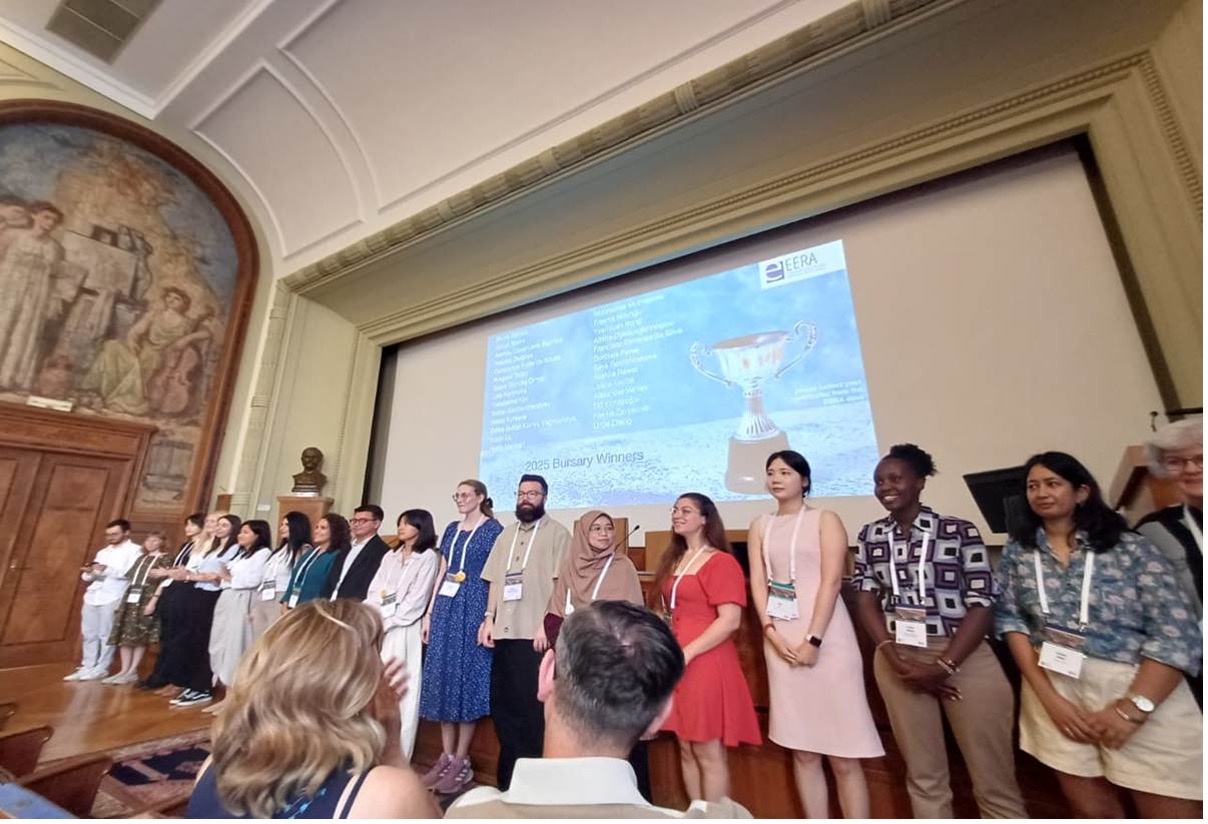
A group of ERC bursary winners on stage, being celebrated at the EERA conference

The global forum holds regular meetings including the education community. A global forum is a conference, symposium, or workshop that brings together participants from many countries and regions, not just one nation or institution. There are several ways in which PhD students can connect to global forums. One is to attend international conferences that are relevant to their research discipline. For example, as a PhD student in educational research, I chose the EERA conference. As EERA is an organization that brings together several research associations in regional and national education in Europe, attending the conference provided direct interaction with international researchers, either related to my work directly or other fields. Through this global forum, I had the opportunity to connect and exchange contact information with them, and begin building a professional network that will bring many benefits in the future. For PhD students who need financial support, many organizations offer scholarships to help students attend the conference. One of them is the Emerging Researchers’ Conference (ERC) Bursary.

Global forum and whole self education

Whole self education, sometimes referred to as holistic education or education for the whole person, is the idea of wholeness: of connections, inclusiveness, and oneness across intellectual, emotional, social, and ethical dimensions. It is an approach to education that views learning not only as the acquisition of academic knowledge but also as a process that develops the person as a whole. (Kwak, 2020; Saito & Akiyama, 2024)

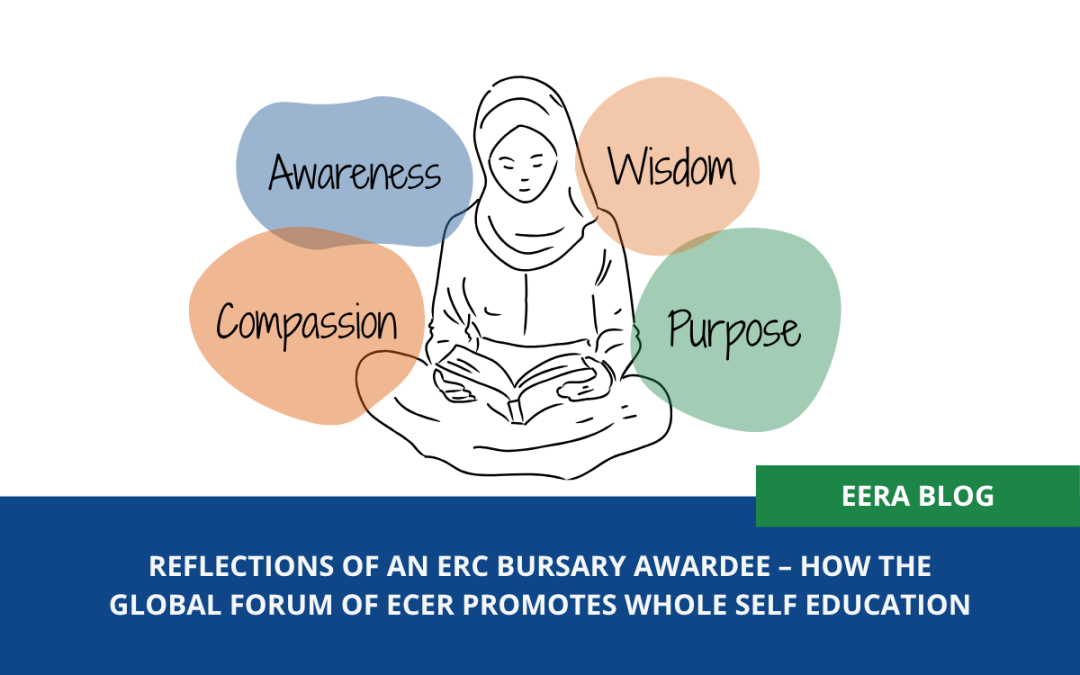
As I reflected on my experiences at ERC, I was inspired by the book Redefining Spiritual Spaces in the Age of Technology: Innovations and Pitfalls. One chapter discusses Forum as a Transformative Method of Whole Self Educationby Jeff Snipes (Snipes J, 2025), and this really resonated with me. The chapter introduces the Forum Theory of Change model, which explains the four fundamental principles that shape whole self-education.

  • Be with awareness
  • Feel with compassion
  • Think with wisdom
  • Do with purpose

Applying the four principles through my ERC and ECER experience
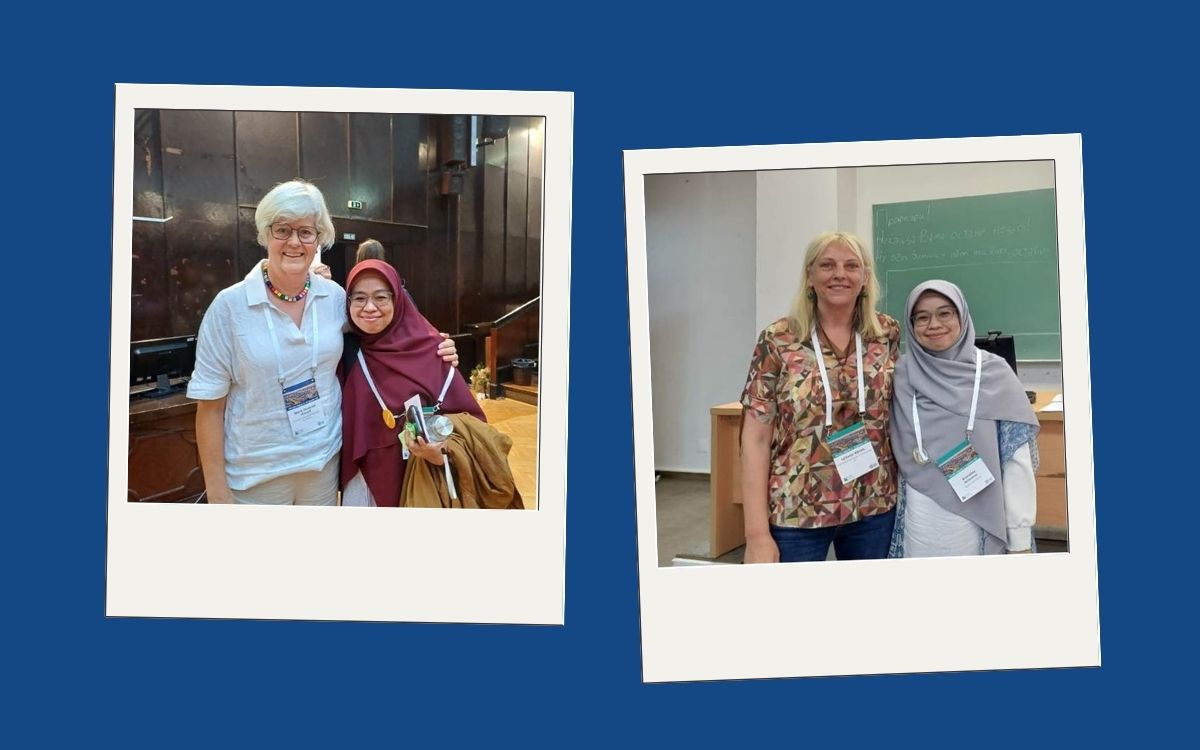
My experience of attending ERC and ECER in Belgrade offered real examples of how these four principles can shape academic and personal growth:

  • Be with awareness

Self-awareness and our relationship with others and our environment affect our psychological health. This capacity has a positive effect on various aspects of our lives, including academic performance. When I attended ERC, I met with other young researchers from around the world and exchanged results from our research. The large number of ECER participants also meant there were many discussion rooms where I could explore new knowledge from other fields. This encouraged me to reflect on my research, compare how other presenters explain their work, and consider the feedback from others. I felt these experiences emotionally and they reminded me to be aware of my role as a PhD student in the future, both for my academic community and for my country.

  • Feel with compassion

A five-year longitudinal study with1090 participants showed that compassion for oneself and for other people is linked to reduced loneliness and increased mental health positivity throughout life (Lee et al., 2021). One of the valuable experiences from ECER and ERC was feeling compassion from others. After a long trip, I found it difficult to carry my travel bag, and local Belgrade residents around me offered their help. This was a memorable experience that helped me understand the culture of Belgrade. I realized that compassion can be found even in countries so far from my own. This also includes how I experienced the academic interactions (workshops, discussions, etc) that occurred during the ERC and ECER. I interacted with researchers from various countries, experiencing mutual respect in giving and receiving advice and feedback.

  • Think with wisdom

According to Grossmann et al. (2020), a person is said to be wise when they consider multiple viewpoints, combine opposing perspectives, reflect deeply, and show intellectual humility (Grossmann et al. 2020). When I participate in global forums such as ECR and ECER, as a PhD student it gives me the opportunity to develop my thinking with wisdom. For example, I can practice listening openly to a presenter when joining a parallel session, engage thoughtfully with new information, or offer suggestions in a supportive, not patronizing way.

  • Do with purpose

Damon et al. (2019) describe purpose as a stable and general intention for achieving something that is meaningful for the self, but also has an impact on others. One of the memorable moments of the ERC was in the opening ceremony, when the President of EERA, Marit Honerød Hoveid addressed all participants of ERC, saying, “…you are the future.” Her words remind me of my responsibility as a young researcher and as part of a new generation in my country – to do my best and build a network within the global community. Attending the ERC and ECER encouraged deep reflection, providing space to think about educational issues in my country and consider what role I can play in addressing them in the future.

Key Messages

  • Participating in global forums is a meaningful way to foster whole self education.
  • Global forums create opportunities to meet with various researchers from different countries around the world
  • ERC and ECER provide space to reflect on educational issues and envision the roles we can play in the future.
  • Global forums nurture a sense of identity and responsibility as emerging researchers
Mutmainna

Mutmainna

Yogyakarta State University, Indonesia

PhD candidate of Educational Research and Evaluation, Yogyakarta State University, Indonesia. Mutmainna is a lecturer in the Physics Education Department at Universitas Sulawesi Barat. Her research interests include physics conceptual understanding and misconceptions, curriculum and instruction, and assessment in physics learning.

Other blog posts on similar topics:

References and Further Reading

Goetz, J. L., Keltner, D., & Simon-Thomas, E. (2010). Compassion: An evolutionary analysis and empirical review. Psychological Bulletin, 136(3), 351–374. https://doi.org/10.1037/a0018807

Lee, E. E., Govind, T., Ramsey, M., Wu, T. C., Daly, R., Liu, J., Tu, X. M., Paulus, M. P., Thomas, M. L., & Jeste, D. V. (2021). Compassion toward others and self-compassion predict mental and physical well-being: A 5-year longitudinal study of 1090 community-dwelling adults across the lifespan. Translational Psychiatry, 11(1), 397. https://doi.org/10.1038/s41398-021-01491-8

Snipes, J. (2025). Forum as a Transformative Method of Whole Self Education. In Redefining Spiritual Spaces in the Age of Technology: Innovations and Pitfalls (pp. 155-178). Cham: Springer Nature Switzerland.
How an ERC bursary opened the door to a transformative research experience

How an ERC bursary opened the door to a transformative research experience

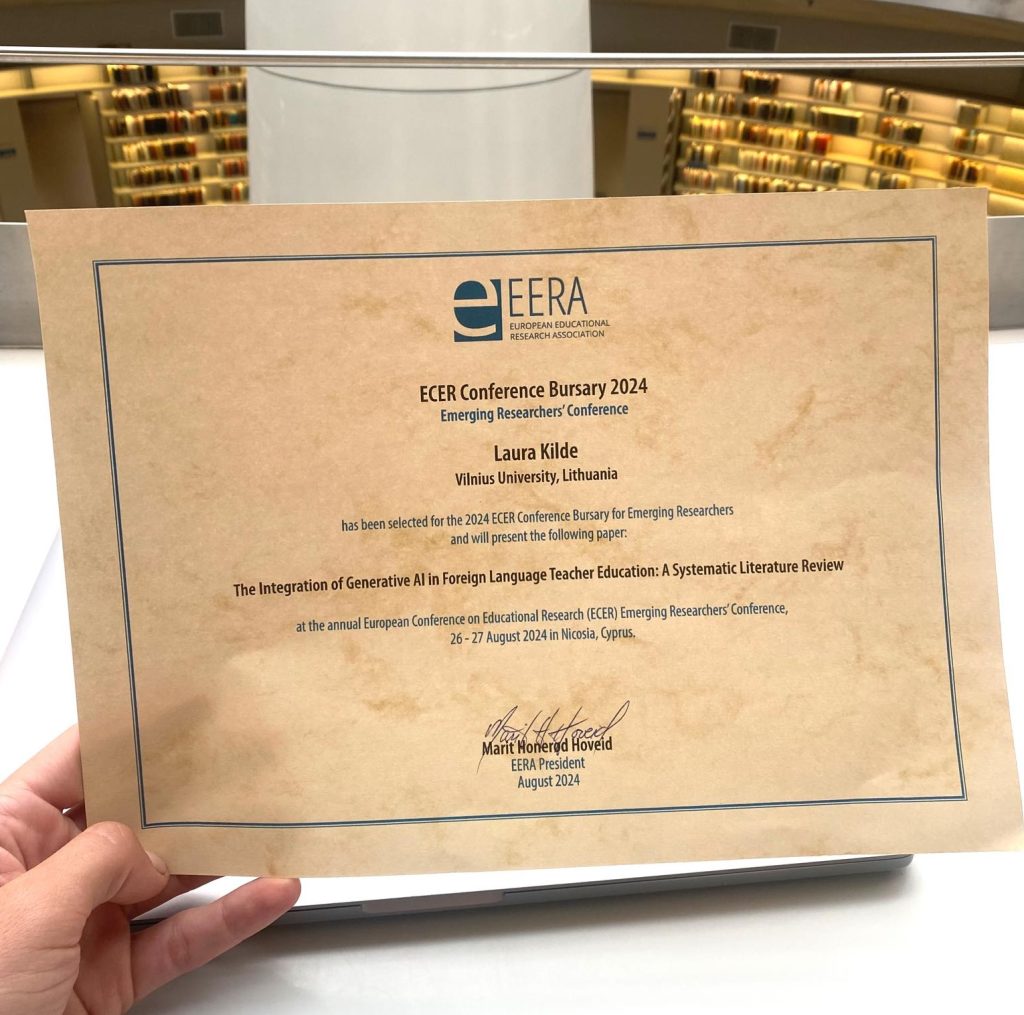
When I received the email confirming that I had been awarded an Emerging Researchers’ Conference (ERC) bursary, I became excited and, at the same time, slightly nervous. As a first-year PhD student in Educational Sciences, I was just beginning to look for my footing in the world of academic research. Indeed, the bursary provided me with the opportunity to attend the Emerging Researcher’s Conference (ERC) and the European Conference on Educational Research (ECER) in August 2024 in Nicosia, Cyprus—an experience that would have been out of reach without this support.

Why this experience mattered

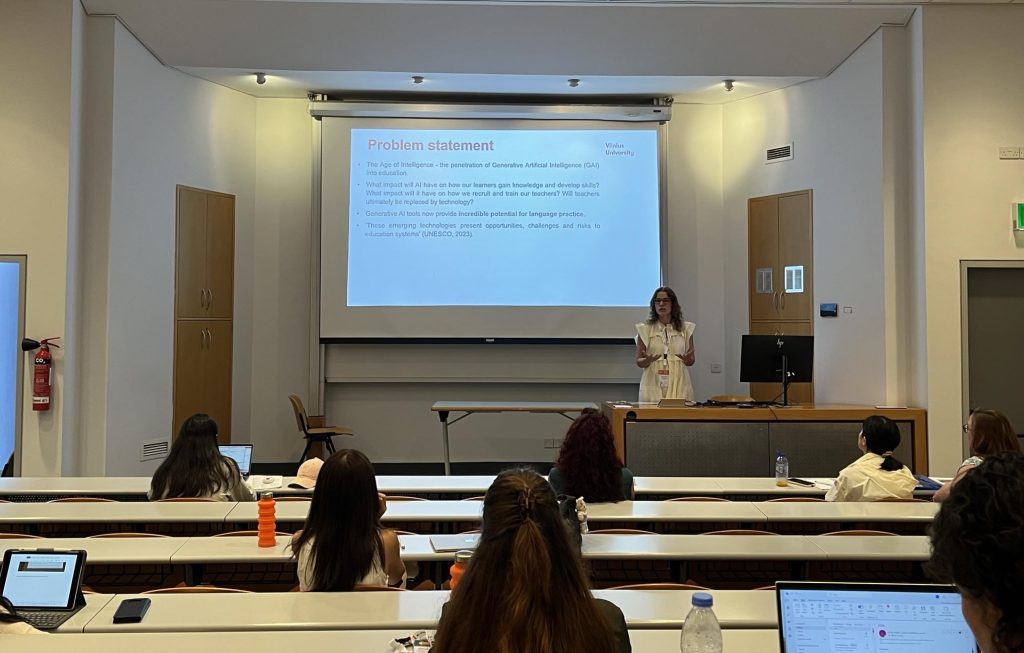
Presenting at a major international conference so early in my PhD journey was both empowering and challenging.  I was working intensively on preparing a systematic literature review in order to gain a comprehensive understanding of the existing research in my field. As a result, I delivered my presentation “The Integration of Generative AI in Foreign Language Teacher Education: A Systematic Literature Reviewduring one of the Emerging Researchers’ sessions. This was my first time presenting my research in such a large and diverse setting. Receiving an abundance of questions made me reflect more deeply on the work I had done and inspired me to make meaningful improvements accordingly.

At the same time, what stood out most was not just the opportunity to speak—but to listen as well. The conference brought together researchers, educators, and professionals from all over Europe and beyond. I had the opportunity to choose freely from a wide range of sessions, where each offered unique insights into different areas of educational research. This diversity introduced me not only to new and unique ideas, but also to different contexts.

Growth beyond the conference room

Moreover, I was able to fully immerse myself in the event. I met fellow PhD students, early-career researchers, and experienced academics. We spoke about everything from research methodology to the emotional highs and lows of academic life.

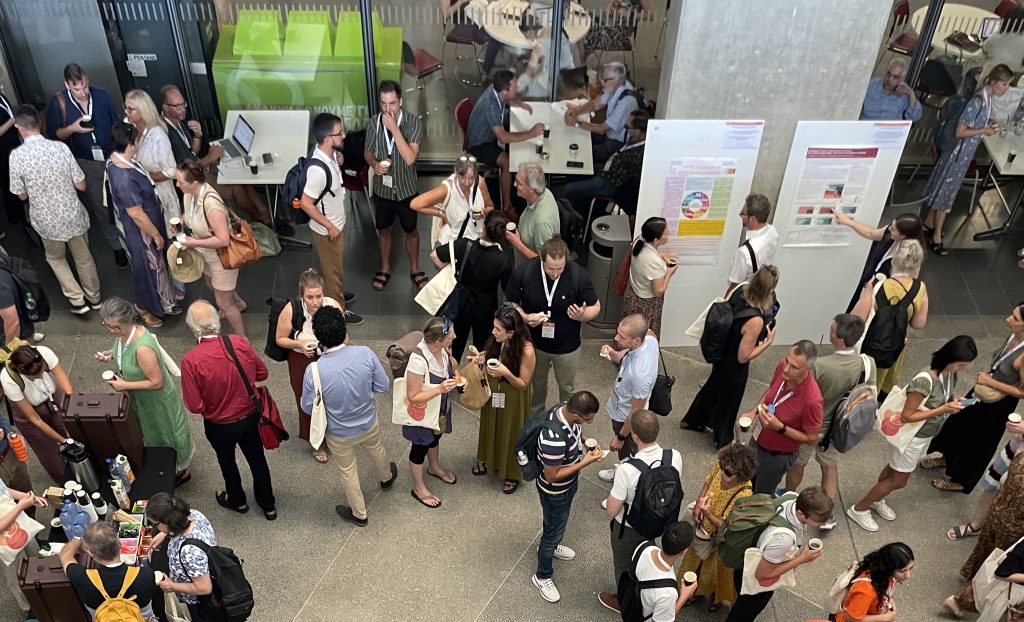
These conversations—whether in formal sessions or over coffee—helped me reflect on my own research. Some discussions sparked new professional and personal interests, while others helped me realise what I did not want to pursue in my work. This growing sense of clarity was just as valuable as discovering new directions. I left Cyprus with a head full of questions, fresh ideas, and a renewed sense of purpose. I realised that some of the most important learning happens in the spaces between presentations: in informal chats, shared doubts, and collective curiosity.

Reimagining my research focus

Back in Lithuania, I continued the conversations I had started at the conference—with my PhD supervisor, university professors, and peers. One key realisation came into focus: I had spent significant time in Rwanda and Kenya, gaining both personal and professional experience, yet this perspective was not reflected in my research.

Listening to presentations and discussions under the ECER 2024 theme “Education in an Age of Uncertainty: Memory and Hope for the Future” made me reflect on how deeply education is shaped by historical, social, and geopolitical contexts. The theme encouraged me not only to acknowledge the complexities and uncertainties of the present but also to draw from past experiences to imagine more hopeful futures. In this light, I recognised the importance of including my African experience—not just as background, but as a meaningful lens through which to explore and reframe my research. It was a powerful reminder that educational research must remain open to multiple narratives, histories, and hopes – especially in a globalised and interconnected world.

With support from my academic community, I revised my original doctoral topicEducationalTechnology Enhanced Self-Directed Learning in Foreign Language Teacher Education”, which initially focused on how digital tools can enhance self-directed learning within the context of foreign language teacher training. However, with support from my academic community, I reshaped the topic to incorporate a broader and more critical perspective. The revised focus—Self-Directed Learning of Future Lithuanian and Kenyan Foreign Language Teachers in the AI Era—still centers on digital technologies but, at the same time, expands to include a comparative, global dimension. This new direction combines my interest in digital technologies with a deeper and a more global understanding of teacher education.

Indeed, the experience at ERC and ECER, including all the variety of presentations, networking, and critical feedback encouraged me to move beyond a Eurocentric perspective and toward a more comparative, interdisciplinary, and globally relevant dissertation topic.

The real impact of the bursary

The ERC bursary made all of this possible. It was not just some financial support—it was a vote of confidence. It allowed me to:

  • Present and test my ideas in a professional setting
  • Connect with researchers from around the world
  • Discover how international education challenges intersect with my own
  • Gain the courage to rethink and refine my research direction

Why this matters to others

Whether you are a fellow researcher, an educator, or someone interested in how education is changing, these kinds of international experiences are incredibly valuable. They help us build bridges between ideas, cultures, and communities. They show us that education is never one-size-fits-all, and that our work benefits from being shaped by many voices.

Final thoughts

Research can often feel like a solitary path, especially in the early stages. But my experience in Cyprus reminded me that academic work is a shared journey. With the support of initiatives like the ERC bursary, young researchers like me get the chance to become a part of something bigger—to contribute, to learn, and to even be transformed in the process.

Key Messages

  • Receiving an ERC bursary enabled me to attend and present at ERC/ ECER 2024 in Nicosia, Cyprus—an eye-opening international research experience early in my PhD journey.
  • Presenting my first systematic literature review on AI in language teacher education sparked valuable feedback and reflection.
  • Conversations with global researchers reshaped my research focus to include my African experiences and explore self-directed learning in Lithuania and Kenya.
  • The ERC bursary was more than financial support—it was a transformative boost in confidence, connection, and clarity.
Laura Kildė

Laura Kildė

PhD candidate, Vilnius University

Laura Kildė is a university lecturer, book author, and founder of foreign language schools. Her research interests include language education, educational technologies with a focus on generative AI, teacher training, self-directed learning, and postcolonial studies. She has worked internationally in France, Spain, Rwanda, Kenya, the UK, and the USA across various roles in education and research.

ResearchGate: https://www.researchgate.net/profile/LauraKilde?ev=hdr_xprf

LinkedIn: https://www.linkedin.com/in/laura-kildė-14826277/

Other blog posts on similar topics:

ECER Belgrade 2025

Since the first ECER in 1992, the conference has grown into one of the largest annual educational research conferences in Europe. In 2025, the EERA family heads to Serbia for ECER and ERC.

08 – 09 September 2025 – Emerging Researchers’ Conference
09 – 12 September 2025 – European Conference on Educational Research

Find out about fees and registration here.

Since the first ECER in 1992, the conference has grown into one of the largest annual educational research conferences in Europe. In 2025, the EERA family heads to Serbia for ECER and ERC.

In Belgrade, the conference theme is Charting the Way Forward: Education, Research, Potentials and Perspectives

No doubt that education has a central role in society, but what it is destined to do is contested politically as well as scientifically. Yet more debate is had concerning the question of the way in which educational research should shape the future of educational practice. The important, but sensitive role educational research occupies in that regard should be the promotion of a better understanding of the contemporary and future world of education, as is expressed in EERA’s aim.

Emerging Researchers’ Conference – Belgrade 2025

The Emerging Researchers’ Conference (ERC) precedes ECER and is organised by EERA’s Emerging Researchers’ Group. Emerging researchers are uniquely supported to discuss and debate topical and thought-provoking research projects in relation to the ECER themes, trends and current practices in educational research year after year. The high-quality academic presentations during the ERC are evidence of the significant participation and contributions of emerging researchers to the European educational research community.

By participating in the ERC, emerging researchers have the opportunity to engage with world class educational research and to learn the priorities and developments from notable regional and international researchers and academics. The ERC is purposefully organised to include special activities and workshops that provide emerging researchers varied opportunities for networking, creating global connections and knowledge exchange, sharing the latest groundbreaking insights on topics of their interest. Submissions to the ERC are handed in via the standard submission procedure.

Prepare yourself to be challenged, excited and inspired.

ECER Belgrade 2025

Since the first ECER in 1992, the conference has grown into one of the largest annual educational research conferences in Europe. In 2025, the EERA family heads to Serbia for ECER and ERC.

08 - 09 September 2025 - Emerging Researchers' Conference
09 - 12 September 2025 - European Conference on Educational Research

Find out about fees and registration here.

Since the first ECER in 1992, the conference has grown into one of the largest annual educational research conferences in Europe. In 2025, the EERA family heads to Serbia for ECER and ERC.

In Belgrade, the conference theme is Charting the Way Forward: Education, Research, Potentials and Perspectives

No doubt that education has a central role in society, but what it is destined to do is contested politically as well as scientifically. Yet more debate is had concerning the question of the way in which educational research should shape the future of educational practice. The important, but sensitive role educational research occupies in that regard should be the promotion of a better understanding of the contemporary and future world of education, as is expressed in EERA’s aim.