The well of resilience is running dry, but universities keep drawing from it

The well of resilience is running dry, but universities keep drawing from it

Resilience is usually treated as a good thing. It is the quality we admire in people who keep going when work becomes difficult. The people who adapt under pressure, put their heads down and carry on when demands keep growing. In universities, as in many other professions and sectors, resilience is often treated as part of being professional.

What doesn’t kill you makes you stronger

However, there is a point at which resilience stops being a personal strength and becomes something the job quietly depends on. My recent research with teacher educators in Ireland and the UK suggests that this is increasingly the case in higher education. Teacher educators are not simply academics who ‘just’ teach and research. They also mentor student teachers, support them during school placement, respond to pastoral issues, and manage the effects of repeated policy, accreditation, and inspection demands (for example, Ofsted inspections in England). Much of this work is time-consuming, emotionally demanding, and only partly visible in the ways universities usually account for academic labour.

Keep calm and carry on

One participant in my study captured the culture in a single phrase: “Just plough on and pretend it’s not happening.” The phrase points to something beyond individual frustration; in work built around care and public service, people often keep things going by absorbing pressures that should not really be carried by individuals alone. They answer emails late into the evening, take on extra work, manage other people’s distress, and fill gaps when formal support is missing. Over time, what is praised as resilience can become one of the ways chronic strain is normalised.

Participants in my study described their academic roles as feeling like “three separate jobs” at once:

“No matter how hard or how efficiently we work, there is always a mountain of endless tasks to be completed.”

Another described how work had spread into every corner of their life:

“I never have true rest periods, working on annual leave, weekends and evenings. Never being ‘finished’, no matter how many hours or how little rest time, you are never on top of everything.”

None of this is to say that resilience has no value. It clearly does; it can help people deal with uncertainty and see them through periods of pressure. But it has limits. Namely, it cannot make an excessive workload reasonable, nor can it make an unsupported role more sustainable.

Soldier On

Yet public discussion of workplace pressure often slips too quickly into the language of coping. Are you setting boundaries? How are you managing your stress? Are you looking after yourself properly? Are you being adaptable enough? Have you attended the wellbeing workshop on offer? The problem is that those questions often obscure a harder one: why is so much of this strain being dealt with at the level of the individual in the first place?

Resilience as scar tissue

This is where Suslovic and Lett’s critique of resilience is useful. They argue that resilience is too often treated as “an individual-level solution to a structural toxin”. More strikingly, they suggest that resilience may be better understood as “scar tissue”. It is a powerful metaphor because it shifts resilience away from the reassuring language of inner strength and towards something else: the mark left by repeated injury.

The idea of scar tissue helps make sense of what many academics in my study described. Their accounts were not simply about the ordinary demands of their work. They were about prolonged accommodation to conditions that had become excessive and normalised. They repeatedly pointed to pressures that were structural rather than personal: competing demands across teaching, research, service, mentoring and placement work; administrative burdens linked to accountability systems; and a sense that the most demanding parts of their role were poorly understood, or indeed invisible.

As one participant put it:

“All of this work is pretty much irrelevant (under a performance metrics lens), so while I’m trusted to do my job, there isn’t really anyone who understands the stress involved in these elements.”

Moving beyond ‘Chin Up’

In recent years, work-related stress has increasingly been recognised not just as a private issue but also as an organisational one. For example, in December 2025, Britain’s Health and Safety Executive (HSE) found that the University of Birmingham did not have appropriate arrangements in place to manage work-related stress and could not demonstrate that it was managing the risks associated with excessive workload. The significance of that case lies in the framing. The question was not whether staff were coping well enough. It was whether the institution was identifying and effectively managing foreseeable risk, as is an employer’s legal responsibility.

There is a similar legal imperative in Ireland. The Health and Safety Authority (HSA) treats work-related stress as a workplace hazard to be assessed and prevented by employers. That matters because it shifts the focus from systems of work that generate stress to whether workers can keep adapting indefinitely.

This is significant since wellbeing language now circulates widely across universities in Ireland and the UK. That veneer of well-being can sit easily alongside overload if the organisation of work itself does not change. Workshops and wellbeing campaigns may have some value, but if academic staff do not have the time or energy to benefit from them, they can feel more like another way of returning responsibility to the individual. The real question, then, is not how much more resilience university staff can produce, but why universities have built conditions that depend so heavily on it.

Key Messages

Resilience needs to be viewed as a structural requirement, not a personal strength. Universities increasingly depend on academics’ abilitiy to absorb excessive workloads rather than addressing unsustainable working conditions

Teacher educators face invisible, emotionally demanding labour. Beyond teaching and research, they mentor students, manage pastoral care, and navigate constant policy changes – work that is time-consuming yet largely unrecognised.

Resilience may be better understood as ‘scar tissue’. Rather than inner strength, resilience can represent the accumulated damage from repeated exposure to structural workplace toxins.

Wellbeing initiatives can obscure systemic problems. Workshops and self-care campaigns place the responsibility on the individual, while leaving the organisation of work unchanged.
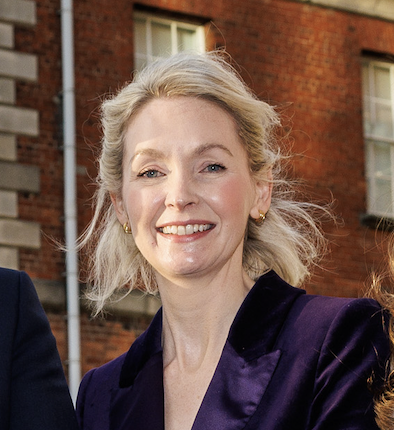
Dr Sabrina Fitzsimons

Dr Sabrina Fitzsimons

DCU CREATE—The Centre for Collaborative Research Across Teacher Education at Dublin City University, Ireland.

Sabrina Fitzsimons is a lecturer in Initial Teacher Education and Co-Director of DCU CREATE—The Centre for Collaborative Research Across Teacher Education at Dublin City University, Ireland. Her research focuses on the occupational well-being and flourishing of educators, including higher education-based teacher educators, academics, school-based teachers, student teachers and other educators. She is a graduate member of the Psychological Society of Ireland and a Senior Fellow of the Advance HE.

Other blog posts on similar topics:

References and Further Reading

Birmingham UCU. (2025, December 13). HSE confirms material breaches at the University of Birmingham following union safety concerns. https://birminghamucu.org/2025/12/13/hse-confirms-material-breaches-at-university-of-birmingham-following-union-safety-concerns/

British Safety Council. (n.d.). The Health and Safety at Work Act explained. Retrieved April 29, 2026, from https://www.britsafe.org/training-and-learning/informational-resources/the-health-and-safety-at-work-act-explained

 Fitzsimons, S., & Smith, D. S. (2025). “Just plough on and pretend it’s not happening”: Understanding burnout in teacher educators in Ireland and the United Kingdom. International Journal of Educational Research Open9, 100491. https://doi.org/10.1016/j.ijedro.2025.100491

Fitzsimons, S., Boag, L. & Smith, D.S. (2025) Understanding Teacher Educators’ Quality of Life: Insights from the PERMA Model. Applied Research Quality Lifehttps://doi.org/10.1007/s11482-025-10435-z

Fitzsimons, S., & Smith, D. S. (2025). ‘Don’t do anything special for us coming’: the mental health impact of Ofsted inspections on teacher educators in England. Cambridge Journal of Education, 1–19. https://doi.org/10.1080/0305764X.2025.2451280

Furlong, C., Fitzsimons, S., & O’Farrell, P. (2026). Protective factors for teacher wellbeing in Ireland through the PERMA lens. Pastoral Care in Education, 1–18. https://doi.org/10.1080/02643944.2026.2646149

Health and Safety Authority. (n.d.). Safety, Health and Welfare at Work Act 2005. Retrieved April 29, 2026, from h https://www.hsa.ie/eng/topics/managing_health_and_safety/safety-_health_and_welfare_at_work_act_2005/

 Health and Safety Authority. (n.d.). Causes of work-related stress. Retrieved April 29, 2026, from https://www.hsa.ie/eng/workplace_health/workplace_stress/workplace-stress-overview/causes-of-work-related-stress/ 

Suslovic, B., & Lett, E. (2024). Resilience is an Adverse Event: A Critical Discussion of Resilience Theory in Health Services Research and Public Health. Community health equity research & policy44(3), 339–343. https://doi.org/10.1177/2752535X231159721 

Why teacher educators stay – the power of PERMA in practice

Why teacher educators stay – the power of PERMA in practice

Teacher educators (TEs) are a unique group of academics who balance the job’s usual paperwork, teaching, research, and service parts with the additional complex pressures of preparing and supervising student teachers on placement (and all that it entails). As such, they often feel bogged down by admin or overwhelmed by external pressures, including high-stakes inspections and re/accreditation procedures and the need to simultaneously publish high-impact research in quality peer-reviewed journals. Against the backdrop of reduced funding and resources across the sector, managing these many responsibilities will likely get harder before it gets better. This combination of push and pull factors leads to fatigue, stress, or burnout.

In our recent study of burnout in Teacher Educators in Ireland and the United Kingdom we found that many report moderate to high work-related burnout, which can have significant implications for their mental health and wellbeing (Fitzsimons & Smith, 2025). However, most teacher educators seem to persevere despite these challenges. So, what do they draw on to sustain them in this high-pressure profession?

The holding environment

In the foreground a woman holds the hand of another person, while in the background, people can be seen sitting and chatting.

A helpful way to understand where this resilience comes from is the concept of the “holding environment” (Winnicott, 1964; Kahn, 2001): a space that provides individuals with the emotional, psychological and social support needed to stay connected, engaged, and motivated. Though the term typically applies to familial or therapeutic relationships, workplaces represent another arena where individuals may experience setbacks and may need emotional support. There, the holding environment is about the relationships that make employees feel supported and valued. Put simply, it’s knowing that others ‘have your back’ and recognise your personal contributions and efforts.

The PERMA model – support and protection

In our research, we drew on Seligman’s (2018) famous PERMA model, which explores well-being through Positive Emotion, Engagement, Relationships, Meaning and Accomplishment, to understand the factors that support teacher educators in Ireland and the United Kingdom to remain resilient. Institutions instilling and nurturing these five elements can protect TEs and facilitate their growth. As asserted by Seligman, these intrinsic transformations cannot be inorganically fostered or summoned in response to demand, but rather require intentional activities, mindsets and habits that can require conscious effort. In other words, the environment should empower workers towards personal growth and it is not about mindset alone. Still, whilst infrastructure can facilitate environments where these outcomes are encouraged, the onus is also on the individual to actively flourish and reflects their uniqueness of engagement and meaning in the production of wellbeing. We think this ‘holding’ process happens in the following ways: 

1. Positive Emotion

TEs in our study talked about the power of small, uplifting moments that carry them through the working week. These include sharing a laugh with a colleague (or having the ‘craic’ as we would say in Ireland), finding joy in teaching, or practicing gratitude. This positivity can act as an intrinsic buffer to the adverse events of the day, and this can help TEs recharge emotionally.

2. Engagement

Despite their pressures, many TEs spoke passionately about their role and the joy of working with brilliant young people. They described losing track of time while mentoring students, getting deeply involved in research, or their practice. As we know from Csikszentmihalyi this state of “flow” represents a sign of deep engagement and present moment focus. In a holding environment, individuals are supported to connect with the parts of their work that energise them. That sense of purpose can help to motivate them and possibly prevent against the factors that lead to burnout.

3. Relationships – Teamwork makes the dream work

Strong relationships are at the heart of TEs’ well-being. Colleagues who listen, share advice and show empathy can create a protective network that can shield each other from the stresses of the job. Our study showed that ITE settings with a collaborative, kind, and team-based culture gave educators the space to be open, to “sound off,” and to feel less alone. Indeed, knowing that you are not the only one to feel “spread thin”, and being able to draw on the wisdom and institutional memory of others is a highly valuable resource in the workplace. And this social infrastructure is the essence of a holding environment – support that helps carry the weight.

4. Meaning

The majority of TEs had previously been teachers or school leaders; many having a deep appreciation of the importance of their vocation and understanding the broader societal impact of their role. This sense of Meaning can act as the existential anchor that reminds teacher educators of their purpose and personal values, which are especially important during challenging times. TEs can feel lost at sea in the increasingly market-driven university setting when this ‘anchor’ isn’t stable, demonstrative of a lack of foundation grounding or sense of self within the larger infrastructure of the role.

5. Accomplishment

Feeling valued and making progress is an essential cornerstone of professional well-being. However, as we have outlined, TEs often face a frustrating reality – their teaching and mentoring work isn’t always valued in research-driven universities. For example:

  • The hours of work spent preparing for the Ofsted (Office for Standards in Education, Children’s Services and Skills) or other ITE inspections.
  • The late evening Zoom calls supporting student teachers who are facing a crisis in the classroom.

You won’t find these ‘duties’ on most appraisal forms or valued in promotion applications. As one TE told us, ‘How good a colleague you have been’ is not part of formal performance metrics. And yes, there may be prestigious awards for fulfilling certain aspects of academic duties, but those are awarded to only a few colleagues. So, informal recognition makes big difference; for example, a quiet thank you note from a student or genuine praise from colleagues can make TEs feel seen and appreciated. This validation is vital in a holding environment; it shows people what you do matters. You matter, and you are making a positive difference.

Formal support – What can institutions do to help?

A group of people are standing and talking and laughing. They are wearing lanyards.

You may have noticed we haven’t mentioned formal support for TEs. That is because this was barely mentioned in our study. Some participants highlighted well-being workshops, menopause clinics or yoga classes, but most TEs we spoke with said ‘I don’t have time’. Indeed, taking time out can get in the way of everything else. Managing work-life balance is paramount to offering a lifeline to staff who feel like they are treading water or barely staying afloat.

Our findings offer more than insight into occupational well-being—they present a clear call to action for institutions to create and facilitate supportive environments to allow TEs to thrive. TEs are highly motivated, values-driven professionals who care deeply about their students. This passion can lead to overwork and burnout, particularly in the absence of a secure holding environment.

There are a number of practical steps institutions can take:

1. Foster supportive relationships through mentorship, team-building and collaboration.

2. Recognise and appropriately reward the diverse nature of TEs’ work, not just research output.

4. The work of the TE can be emotionally exhausting – supporting not just students but colleagues as demonstrated – therefore, boundary setting should become the norm rather than the exception. Unless it is an emergency, it’s not an emergency and the ‘right to disconnect’ should be respected.

5. Although a rage roommight be a good addition to most campuses, other more sanitised and evidenced based practices like mindfulness tools could prove helpful – however, these must be appropriately resourced and evaluated.

Our final thoughts

A holding environment is not built overnight. It’s created through daily acts of care, trust, and respect. For TEs, it’s the relationships, purpose, recognition, and shared positivity that “hold” them steady in an often-turbulent profession. By supporting the PERMA model and acknowledging its value, institutions can make the ITE workplace manageable and genuinely empowering.

Key Messages

  • The occupational wellbeing of all involved in education is important; however, the wellbeing of one cohort, higher-education-based Teacher Educators, is often overlooked.
  • Factors such as work overload, persistent policy change, external accountability/inspection measures and metricisation of their identity alongside resource constraints (do more with less) can lead to burnout.
  • Attention needs to be paid to not only the risk factors but also the protective factors that keep Teacher Educators afloat.
  • Seligman’s PERMA model provides one framework to explain what supports Teacher Educators to persist despite the ongoing pressures they face
Dr Sabrina Fitzsimons

Dr Sabrina Fitzsimons

Assistant Professor of Education

Sabrina is a lecturer in Initial Teacher Education and Co-Director of DCU CREATE—The Centre for Collaborative Research Across Teacher Education at Dublin City University, Ireland. Her research focuses on the occupational wellbeing and flourishing of educators, including higher education-based teacher educators, academics, school-based teachers, student teachers and other educators. She is a graduate member of the Psychological Society of Ireland and a Senior Fellow of the Advance HE.

Lee Boag

Lee Boag

Lecturer, Robert Gordon University

Lee Boag is a lecturer in psychology at Robert Gordon University. His research interests include lived experiences of healthcare, well-being interventions and research philosophy.
David S. Smith

David S. Smith

David S. Smith is a social psychologist. His research is focused on online identities, group membership and social cognition.

Other blog posts on similar topics:

References and Further Reading

Fitzsimons, S., & Smith, D. S. (2025). “Just plough on and pretend it’s not happening”: Understanding burnout in teacher educators in Ireland and the United Kingdom. International Journal of Educational Research Open, 9, 100491. https://doi.org/10.1016/j.ijedro.2025.100491

Fitzsimons, S., Boag, L., & Smith, D. S. (2025). Understanding teacher educators’ quality of life: Insights from the PERMA model. Applied Research in Quality of Life. https://doi.org/10.1007/s11482-025-10435-z

Fitzsimons, S., & Smith, D. S. (2025). ‘Don’t do anything special for us coming’: the mental health impact of Ofsted inspections on teacher educators in England. Cambridge Journal of Education, 55(1), 93–111. https://doi.org/10.1080/0305764X.2025.2451280

Kahn, W. A. (2001). Holding Environments at Work. The Journal of Applied Behavioral Science, 37(3), 260-279. https://journals.sagepub.com/doi/10.1177/0021886301373001 .

Winnicott, D. W. (1964).  The child, the family, and the outside world.  Penguin Books https://www.penguin.co.uk/books/13592/the-child-the-family-and-the-outside-world-by-dw-winnicott/9780241455685